What Indian Food Can I Eat on Ozempic Without Getting Nauseous?
62% of GLP-1 users report gastrointestinal side effects in the first 90 days, and Indian patients face a double challenge: managing nausea while navigating a food culture that wasn’t designed for protein tracking.
On Ozempic nausea days, eat 1 cup jeera rice + ½ katori moong dal + 1 tbsp ghee (18g protein, bland, easy to digest). When feeling better, try 2 small rotis + 1 katori masoor dal + ½ cup dahi + 4 pieces paneer (32g protein). Avoid heavy gravies, fried foods, and large portions. stick to 2 katoris maximum per meal and eat protein first.
The prescription is easy. The next 23 hours are chaos.
Your endocrinologist wrote “Ozempic 0.5mg weekly” on a pad, said “eat more protein,” and sent you home. Now you’re staring at your kitchen wondering if dal chawal will make you throw up, whether idli is safe, and how you’re supposed to protect muscle when the smell of tadka makes you nauseous.
Why Indian Food and Ozempic Nausea Don’t Play Nice
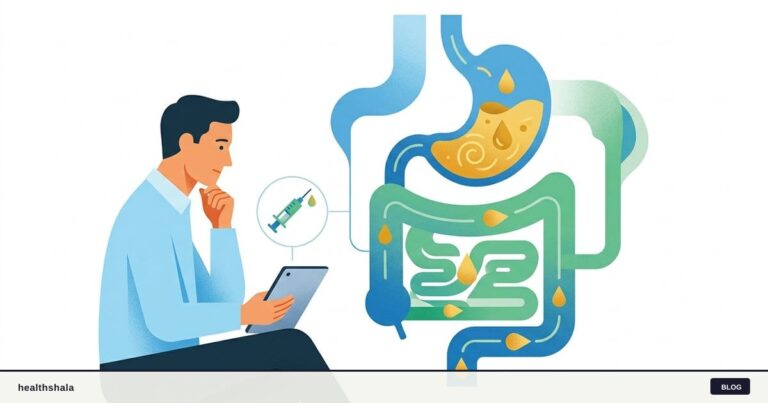
The nausea comes from GLP-1 medications slowing gastric emptying.
Food sits in your stomach longer. Heavy, oily, high-fat meals that normally digest in 3-4 hours now take 6-8 hours. That’s why dry, overcooked chicken breast triggers aversion and nausea for most users. the dense protein sits like a brick.
Indian food compounds this in specific ways:
- Tadka and tempering oils (2-3 tbsp per dish) add fat that delays digestion further
- Paneer and full-fat dahi contain saturated fats that trigger nausea faster than lean proteins
- Large rotis or rice portions (2+ cups) overwhelm a slower stomach
- Spicy masalas irritate an already sensitive GI tract
The Western advice to eat “grilled chicken and steamed vegetables” is useless here. You need a translation layer for Indian portions, Indian cooking methods, and Indian protein sources.
The Bad Day vs Good Day Framework
Stop thinking in “meals.” Start thinking in nausea states.
Bad Day Mode (injection day + 2-3 days after, or when nausea hits hard):
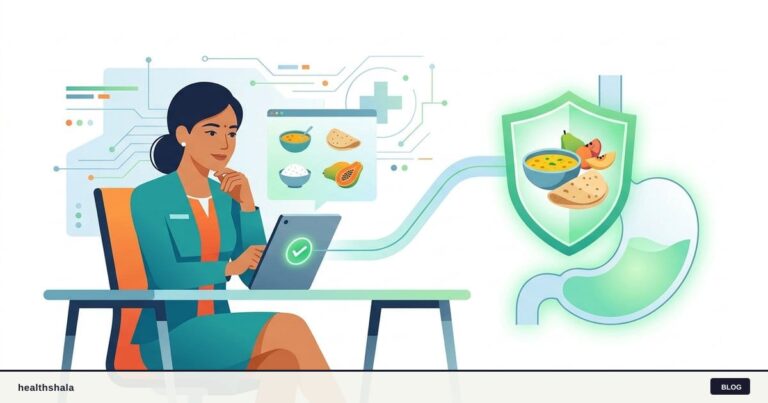
- Jeera rice (1 cup) + moong dal tadka (½ katori, minimal oil) + 1 tbsp ghee = 18g protein, bland, easy on stomach
- Khichdi (1 katori) + dahi (½ cup, low fat) + roasted papad (1 piece) = 15g protein, comfort food that stays down
- Plain idli (3 pieces) + sambar (1 small katori, no tempering) + coconut chutney (2 tbsp) = 12g protein, South Indian safe option
- Masala chaas (1 glass with 30g protein powder mixed in) + dry roti (1 small) = 32g protein when you can’t face solid food
Good Day Mode (when you can handle normal eating):
- 2 small rotis + 1 katori masoor dal + ½ cup hung curd + 50g paneer (4 pieces) = 35g protein, complete meal
- 1 cup brown rice + rajma curry (1 katori) + cucumber raita (½ cup) = 28g protein, fiber-rich
- Dosa (2 medium) + sambhar (1 katori) + paneer bhurji (¼ cup) = 30g protein, balanced South Indian
- Tandoori chicken (100g) + mint chutney + 1 roti + salad = 38g protein, lean and safe
The difference matters because muscle protection on GLP-1 requires 25-35g protein per meal, but forcing high protein on a nauseous stomach guarantees you’ll eat nothing and lose muscle anyway.
The Protein Math Indian Food Hides
You think you’re eating high protein. You’re not.
A typical North Indian lunch. 2 rotis + 1 katori dal + sabzi. gives you roughly 18g protein. That’s half what you need to protect muscle on Ozempic. The IFCT 2017 data shows why Indian intuition fails here:
- 1 katori moong dal (cooked) = 9g protein
- 1 katori masoor dal (cooked) = 11g protein
- 1 medium roti (30g flour) = 3g protein
- 50g paneer (4 small pieces) = 9g protein
- 1 cup dahi (full fat) = 6g protein
- 100g tandoori chicken = 31g protein
To hit 30g protein in one meal using vegetarian Indian food, you need: 2 katoris dal + 1 cup hung curd + 50g paneer + 2 rotis. That’s a massive volume when your stomach empties at half speed.
The entire global conversation around GLP-1 nutrition assumes protein shakes and grilled salmon. Indian patients are left translating “30g protein” into actual katoris, pieces, and cups with zero official guidance.
The Nausea-Safe Protein Hacks
These don’t appear in any mainstream Ozempic diet guide, but they work for Indian food patterns:
Hack 1: Protein-Fortified Staples
Mix 30g unflavored protein powder into dahi (makes hung curd texture), add to raita or chaas. Adds 24g protein without changing taste or volume. Works on bad nausea days when solids are impossible.
Hack 2: Paneer as Protein Filler
50g paneer (4 pieces) = 9g protein. Add to dal, sabzi, or eat plain with salt. Easier to stomach than chicken on nauseous days, and you control the fat content by choosing low-fat paneer.
Hack 3: Moong Dal Dominance
Moong dal is the most digestible lentil and causes least gas. Make it your base dal. Cook with minimal tadka (1 tsp ghee max), add jeera for digestion. 2 katoris = 18g protein, gentle on GI tract.
Hack 4: Egg Whites in Everything
4 egg whites = 14g protein, zero fat, no nausea trigger. Scramble into bhurji, add to upma, mix into dosa batter. Works for vegetarians who eat eggs and need lean protein fast.
What Absolutely Triggers Nausea (And What to Replace It With)
Bland foods like crackers, toast, white rice, and apples provide immediate nausea relief, but you still need protein to prevent muscle loss.
Here’s the Indian trigger list with specific swaps:
Trigger: Butter chicken, paneer makhani, korma (heavy cream-based gravies)
Swap: Tandoori chicken (dry, no gravy) or paneer tikka (grilled) + mint chutney + 1 roti
Trigger: Poori, bhature, pakora (deep fried in oil)
Swap: Tandoori roti or plain roti with minimal ghee brush
Trigger: Chole, rajma in heavy masala (causes bloating + gas)
Swap: Same dal but cooked with less onion-tomato base, more jeera-hing for digestion
Trigger: Large biryani portions (2+ cups rice with heavy meat)
Swap: 1 cup jeera rice + grilled chicken on side (100g). same satisfaction, less volume
Trigger: Sambar with heavy tempering (multiple tbsp oil)
Swap: Light sambar (1 tsp oil max) or rasam (zero oil, aids digestion)
Trigger: Full-fat paneer, cheese in excess
Swap: Low-fat paneer or tofu (same texture, 70% less fat, easier on stomach)
The pattern: reduce fat, reduce volume, increase protein density per bite. A 100g serving of tandoori chicken (31g protein) beats 2 katoris of heavy paneer curry (12g protein, 5x the fat) on every metric that matters for GLP-1 users.
The Meal Timing Strategy Nobody Talks About
When you eat matters as much as what you eat on Ozempic.
Plain Greek yogurt, banana, toast with almond butter, ginger tea, and bone broth top the nausea-relief food list, but most Indian users eat these wrong by timing.
Injection Day Strategy:
- Morning: Light breakfast only. 2 idlis + sambar or 1 bowl upma with minimal oil
- Lunch: Skip or eat very light (khichdi + dahi). Nausea peaks 4-8 hours post-injection
- Dinner: Slightly better tolerance. try moong dal + jeera rice + low-fat paneer (25g protein target)
Days 2-4 Post-Injection:
- Eat protein first, always. 4 pieces paneer before touching rice. Delays glucose spike, reduces nausea
- Smaller, more frequent. 5 small meals (15-20g protein each) beats 3 large ones (30g+ protein)
- No water with meals. Drink 30 mins before or after. water dilutes digestive enzymes and worsens fullness
Days 5-7 (Pre-Next Injection):
- Push protein hard. Nausea is lowest, tolerance is highest. hit 35g protein at lunch and dinner
- This is when you eat the dal-roti-paneer-dahi combo that’s impossible on bad days
- Frontload calories. GLP-1 medications reduce household food spending by meaningful amounts because appetite drops. eat more on good days to balance muscle protection across the week
The strategic insight: You can’t eat consistently on Ozempic. Stop trying. Eat strategically around your nausea cycle.
Track Your Muscle Protection Score Daily
See if today’s meals protected muscle or let it slip. measured in real Indian portions.
Frequently Asked Questions
Can I eat regular dal chawal on Ozempic or will it make me nauseous?
Yes, but reduce portion to 1 cup rice + 1 katori dal max, and cook dal with minimal tadka (1 tsp ghee instead of 2-3 tbsp). Eat dal first, then rice slowly. This combination gives you 15-18g protein without overwhelming a slower stomach. On bad nausea days, switch to khichdi (same ingredients, easier to digest).
Is paneer safe to eat on Ozempic or does the fat trigger nausea?
Low-fat or medium-fat paneer (50g = 9g protein, 8-10g fat) is safe for most people. Avoid paneer in heavy cream gravies (makhani, korma) which add another 15-20g fat. Eat paneer grilled, in bhurji with minimal oil, or plain with salt. If regular paneer triggers nausea, switch to tofu (same texture, 70% less fat).
What can I eat for breakfast on Ozempic when I feel nauseous in the morning?
Try 2 plain idlis + light sambar (no tempering), or 1 cup upma with 4 egg whites mixed in, or masala chaas with 30g protein powder + 1 dry roti. All three give 15-20g protein, are bland enough for nauseous mornings, and digest easily. Avoid poori, paratha, or anything deep fried until nausea subsides.
How much protein do I actually need per meal on Ozempic to protect muscle?
Target 25-35g protein per meal, 3 meals per day, to maintain muscle mass while losing fat on GLP-1 medications. This translates to 2 katoris dal + 1 cup hung curd + 50g paneer for vegetarians, or 100g tandoori chicken + 1 roti + raita for non-vegetarians. On bad nausea days when you can’t hit this, aim for 15-20g minimum and compensate on better days.
Can I eat spicy food on Ozempic or does it make nausea worse?
Reduce spice significantly in the first 3-4 days post-injection when nausea peaks. Use jeera, hing, and ginger for flavor instead of red chili and garam masala. On good days (days 5-7 of your weekly cycle), moderate spice is fine for most people. If any spice triggers nausea, stick to bland dal-rice-roti combinations and add flavor through mint chutney or lemon instead of masala.
What should I do if I can’t eat anything solid due to Ozempic nausea?
Switch to liquid protein: masala chaas with unflavored protein powder (30g powder = 24g protein), or thin moong dal soup, or coconut water with protein powder mixed in. Sip slowly over 2-3 hours. Add 1 tbsp ghee to dal soup for calories. If nausea persists beyond 48 hours or you’re vomiting, contact your doctor immediately. this may indicate dose adjustment needed.