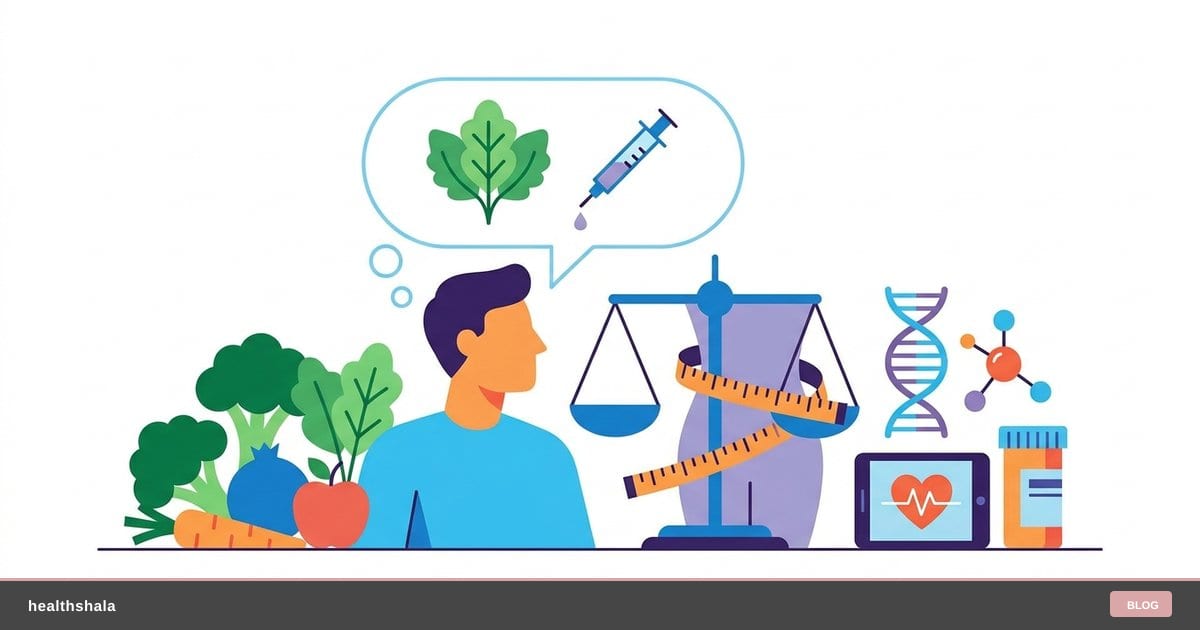
The Expert Guide to can vegetarians take ozempic for weight loss
Vegetarians taking Ozempic face a unique challenge that nobody warned them about: hitting 100g+ protein daily when paneer makes you nauseous and dal suddenly tastes like cardboard. Recent 2025 research confirms vegetarian diets work well with GLP-1 medications for HbA1c control and BMI reduction. but only if you aggressively restructure your protein sources before muscle loss becomes irreversible.
Yes, vegetarians can absolutely take Ozempic for weight loss, and plant-based meals naturally trigger higher GLP-1 response than meat-based ones. The real issue isn’t compatibility. it’s that vegetarian protein sources (dal, paneer, legumes) are less protein-dense than chicken or fish, making it much harder to hit the 1.6g protein per kg body weight you need to protect muscle mass when your appetite is suppressed 70% by semaglutide.
Why Vegetarian Ozempic Users Lose Muscle Faster (And How to Stop It)
The brutal math: if you weigh 75kg, you need roughly 120g protein daily on Ozempic to preserve muscle.
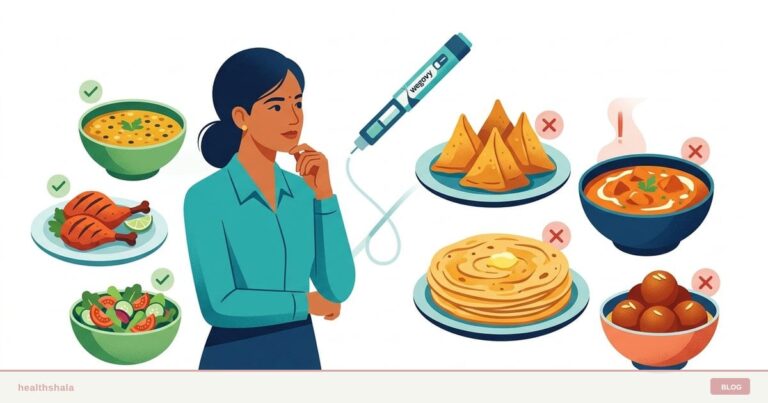
One katori rajma has 15g protein. One cup moong dal has 14g. Two pieces paneer (50g) has 9g.
To hit 120g from traditional vegetarian staples, you’d need to eat 8 katoris of dal daily. But Ozempic has destroyed your appetite. You can barely finish one katori without feeling uncomfortably full. You’re eating maybe 1,200 calories total. Your protein intake has collapsed to 40-50g daily.
Clinical data from 2026 shows Ozempic drives significant weight loss, but the composition of that loss depends entirely on protein intake during the medication period. Low protein plus calorie restriction equals muscle catabolism. You’re losing weight, but up to 40% could be lean mass.
Non-vegetarians default to grilled chicken (31g protein per 100g). It’s protein-dense, low-volume, easy when nauseous. Vegetarians don’t have that crutch. Your protein comes diluted in carbs and fiber. It’s physically harder to eat enough.
The fix isn’t eating more dal. It’s restructuring your entire protein strategy around concentration and timing.
Front-Load Protein Before Nausea Peaks
Ozempic nausea follows a pattern. Worst days are typically 24-48 hours post-injection. Your eating window shrinks to 4-5 hours total across the whole day.
Traditional Indian vegetarian eating spreads protein thin across three meals. That pattern fails on GLP-1 medications. You need to front-load protein in the first meal of the day, when nausea is lowest and you can actually stomach food.
Practical morning protocol for vegetarians on Ozempic:
- Greek yogurt (hung curd) base: 200g = 20g protein (make this non-negotiable)
- Protein powder in coffee/smoothie: 1 scoop = 25g protein (unflavored whey or pea protein)
- Paneer bhurji (100g paneer): 18g protein
- Moong dal cheela (2 medium): 16g protein
That’s 60-80g protein before 11am. You’ve hit half your daily target while you still have appetite. The rest of the day becomes damage control, not a scramble.
The Plant-Based Advantage Nobody Talks About
Here’s where vegetarians actually win: plant-based meals naturally spike GLP-1 higher than meat-based meals. Fiber, resistant starch, and polyphenols in legumes, vegetables, and whole grains trigger stronger GLP-1 secretion from your gut. You’re getting a compounding effect.
This matters for two reasons:
First: You might need a lower Ozempic dose than non-vegetarians to achieve the same appetite suppression. Your diet is already doing part of the GLP-1 work naturally. Discuss with your doctor whether starting at 0.25mg instead of 0.5mg makes sense for vegetarians.
Second: Your side effects might be milder. The nausea and constipation that plague Ozempic users are often worse when people eat low-fiber, meat-heavy diets. Vegetarian staples like dal, sabzi, and whole grains provide the fiber that keeps your gut moving even when semaglutide slows gastric emptying.
The irony: vegetarian diets complement GLP-1 medications better pharmacologically, but vegetarian protein sources make muscle protection harder practically. You need to solve the protein density problem to unlock the metabolic advantage.
Protein Density Hacks for Nausea Days
Bad days happen. You wake up queasy. Food sounds terrible. You know you need protein but can’t face a full meal.
Emergency protein sources that work when nothing else does:
- Protein lassi: Blend hung curd + protein powder + salt/jeera. Drink it. 45g protein in 200ml. Takes 2 minutes to consume.
- Peanut butter (natural): 2 tablespoons = 8g protein. Eat straight from jar if needed.
- Roasted chana: 1 cup = 20g protein. Crunchy, dry, easy to nibble throughout day.
- Paneer cubes (cold): 5-6 small cubes = 10g protein. No cooking required.
- Edamame (boiled, salted): 1 cup shelled = 17g protein. Gentle on nauseous stomach.
The goal on bad days isn’t balanced nutrition. It’s preventing muscle catabolism. Get 80g protein minimum, even if it’s from five weird snacks instead of proper meals.
What Actually Happens When Vegetarians Ignore Protein on Ozempic
Real pattern from Healthshala users: vegetarian Ozempic patients lose 8-12kg in first 12 weeks. Sounds great. But DEXA scans reveal 35-40% of that loss was lean mass. muscle, bone density, organ tissue.
They’re eating their normal vegetarian diet. Dal, roti, sabzi, rice. It’s always been “healthy.” But they’re eating 60% less of it because Ozempic killed their appetite. Their protein dropped from 60g daily to 35g. Their body had to pull protein from somewhere to survive. It cannibalized muscle.
The visible result: weight down, but they look softer. Arms thinner but less defined. Stairs feel harder. Muscle Protection Score (the daily 0-100 metric of whether your eating defended muscle) averaging 40/100.
This isn’t theoretical. GLP-1 medications are actively reshaping what people eat, creating dietary pattern shifts that require intentional protein planning. The default vegetarian diet. built for maintenance eating with normal appetite. doesn’t adapt well to 70% appetite suppression without strategic restructuring.
The metabolic cost of losing muscle is severe:
- Lower basal metabolic rate (muscle burns calories at rest)
- Harder to maintain weight loss after stopping Ozempic
- Reduced insulin sensitivity (muscle is your glucose disposal system)
- Increased injury risk and slower recovery
- Worse body composition outcomes despite hitting weight goals
You didn’t pay ₹3,500/week for an injection just to become a smaller, weaker version of yourself. You wanted fat loss while keeping strength. That requires treating protein intake as the primary metric, not weight on the scale.
Building Your Vegetarian Ozempic Meal Framework
Forget meal plans. They break on Day 3 when your nausea pattern shifts. You need a framework that flexes.
Daily Non-Negotiables (hit these every day, no matter what):
- 200g Greek yogurt/hung curd (morning)
- 1 scoop protein powder (blended or in coffee)
- 100g paneer OR 1.5 cups legumes (split across day)
That’s your baseline: 70g protein guaranteed, regardless of appetite.
Flex Options (add when you can tolerate more food):
- 2 whole eggs + 4 egg whites scrambled: +25g protein
- 1 cup cooked quinoa: +8g protein
- Spinach dal (palak dal) with extra moong: +18g protein per katori
- Soy chunks (meal maker) sabzi: +15g protein per serving
- Cottage cheese (paneer) stuffed in roti instead of plain roti: +12g protein
Track your Muscle Protection Score daily using Healthshala’s portion-based system. Input “1 katori rajma,” “2 roti,” “100g paneer”. it calculates whether today’s eating protected muscle or put you at risk. You get immediate feedback, not a 3-month wait until your next doctor visit.
Supplementation Reality Check
Protein powder isn’t cheating. It’s survival equipment when you’re vegetarian on Ozempic.
Whey protein isolate is technically vegetarian (derived from milk). Pea protein works if you’re vegan or lactose-intolerant. Both provide 20-25g protein per scoop in 100 calories. That’s the density you need when your stomach capacity has shrunk to one-third normal size.
One scoop in morning coffee = 25g protein absorbed before you’re fully awake. One scoop blended with hung curd + frozen berries = 45g protein “meal” you can drink in 5 minutes on bad nausea days.
This isn’t bodybuilder optimization. It’s medical necessity. Your muscle is being actively catabolized by calorie restriction plus insufficient protein. Powder fills the gap that dal and paneer physically can’t when you’re eating 1,200 calories total.
Track Your Muscle Protection Score Daily
Know if today’s eating protected your muscle. in Indian food portions, not grams.
Frequently Asked Questions
Do I need to eat more protein as a vegetarian on Ozempic compared to non-vegetarians?
Not more protein per kg body weight (both need 1.6-2.0g/kg), but you need to be more strategic about sources. Vegetarian proteins are less dense, so you need larger volumes or supplementation to hit the same gram targets when your appetite is suppressed 70%. Non-vegetarians can get 30g from one chicken breast. You need 2 katoris dal plus paneer to match that.
Can I rely on dal and rajma for all my protein needs on Ozempic?
Theoretically yes, practically no. To get 100g protein from legumes alone, you’d need to eat 6-7 katoris daily. Ozempic makes that physically impossible. You’ll hit uncomfortable fullness at 1.5 katoris. You need to add denser sources: hung curd, paneer, protein powder, eggs (if lacto-ovo), soy chunks. Legumes should be 30-40% of your protein, not 100%.
Will being vegetarian make Ozempic side effects worse or better?
Better for constipation and gut issues (high fiber intake helps), neutral for nausea (depends on individual response, not diet type). The fiber in vegetarian staples keeps your digestive system moving even when Ozempic slows gastric emptying. However, if you’re not hitting protein minimums, you might experience worse fatigue and muscle weakness regardless of diet type.
Should I start protein powder before starting Ozempic or wait to see if I need it?
Start immediately. Don’t wait for muscle loss to become obvious. First 4 weeks on Ozempic are when appetite drops fastest and eating patterns break. Having protein powder ready means you can hit 80-100g protein daily even on terrible nausea days. Buy unflavored whey or pea protein now. Mix it into coffee, smoothies, or hung curd. It’s insurance against the bad days that will definitely come.
Can I eat paneer every day on Ozempic or is that too much fat?
Yes, eat paneer daily. 100g paneer has 18g protein and 20g fat. On 1,200-1,400 calorie Ozempic intake, that fat fits comfortably within healthy limits. The protein density is non-negotiable for vegetarians. Fat also helps with satiety and fat-soluble vitamin absorption. Focus on total daily calories and protein grams, not individual food macros. Paneer is one of your best protein tools.
What if I’m vegan. can I still take Ozempic successfully?
Absolutely, but protein becomes even more critical. Remove paneer and hung curd from the toolkit and you’re left with legumes, soy products, and pea protein powder. Focus heavily on tofu (10g protein per 100g), tempeh (19g per 100g), edamame, soy chunks, and pea protein supplementation. Vegan Ozempic users need 2 scoops protein powder daily minimum to avoid muscle loss. Track religiously using portion-based tools built for Indian vegan eating.