How to Get 100g Protein Daily on Mounjaro Without Losing Muscle: Indian Vegetarian Meal Plans
You’re eating paneer bhurji for breakfast, rajma for lunch, dal for dinner. and still not sure if you’re hitting your protein goal while your Mounjaro nausea makes every bite feel like work.
Getting 100g protein daily on Mounjaro as an Indian vegetarian requires eating 2 katoris dal + 100g paneer + 2 eggs + 1 cup curd spread across meals. This combination provides complete amino acids while managing GLP-1 nausea through smaller, protein-first portions that protect muscle during rapid weight loss.
Why 100g Protein on Mounjaro Isn’t About Building Muscle. It’s About Not Losing It
The doctor prescribed Mounjaro. You’re losing weight fast. Now you’re reading articles about muscle loss and wondering if your usual dal-roti-sabzi has enough protein.
Here’s what’s actually happening in your body.
GLP-1 medications suppress appetite so effectively that most people naturally eat 30-40% fewer calories. Your body needs energy. It’ll break down fat first. that’s the weight loss everyone celebrates. But without adequate protein intake, it also breaks down muscle tissue for amino acids. This is called sarcopenia, and it happens faster during rapid weight loss than gradual dieting.
For a 70kg person losing 1kg per week on Mounjaro, the baseline protein requirement jumps from 56g to 100-110g daily just to maintain existing muscle mass. Not build new muscle. Just keep what you have.
The problem: you’re nauseated, everything tastes bland, and your usual thali feels like climbing a mountain. Meanwhile, MyFitnessPal is telling you to eat grilled chicken breast and you’re staring at your rajma wondering if it “counts.”
The Indian Vegetarian Protein Math That Actually Works
Western diet advice fails Indian vegetarians on Mounjaro because it treats protein as a single number instead of a daily equation across meals. You can’t eat 100g protein in one sitting when you’re battling GLP-1 nausea. You need strategic distribution.
Here’s the breakdown that works:
- Breakfast (25-30g): 2 eggs (12g) + 100g paneer bhurji (18g) = 30g protein
- Lunch (30-35g): 2 katoris rajma (16g) + 1 roti (3g) + 1 katori curd (6g) + sabzi (2g) = 27g protein
- Evening snack (15-20g): 1 cup hung curd (12g) + roasted chana (6g) = 18g protein
- Dinner (25-30g): 1.5 katoris moong dal (12g) + 1 katori palak paneer (16g) + chawal (3g) = 31g protein
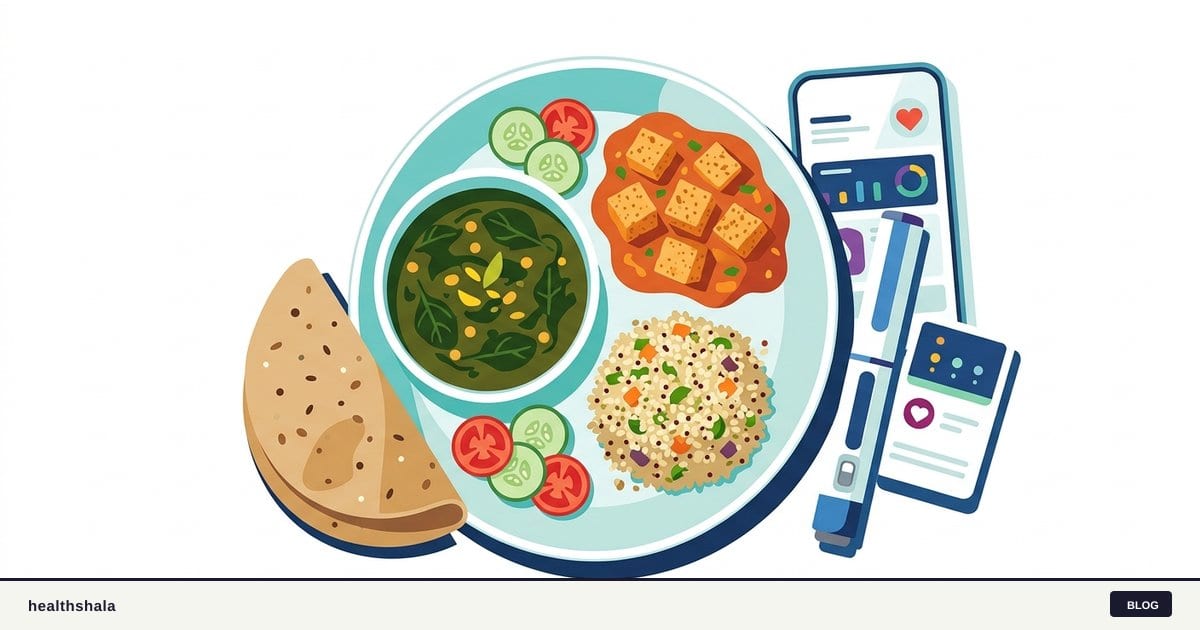
Total: 106g protein. No protein powder. No supplements. Just real Indian food portioned strategically.
The key difference from generic advice: paneer-heavy meals are easier to eat on nausea days because solid protein digests slower and stabilizes blood sugar better than dal alone. When appetite crashes, you need protein density. more grams per bite.
Protein Density Hierarchy: What to Eat When Mounjaro Makes Everything Hard
Not all vegetarian proteins work equally well on GLP-1 medications. Some digest too slowly and sit like rocks. Others are too voluminous when your appetite is suppressed. Here’s the ranking based on protein per 100g and digestive tolerance:
Tier 1: High-density, low-volume proteins (eat these on bad nausea days)
- Paneer: 18g protein per 100g. small portion, high return
- Eggs: 13g protein per 100g. easiest to digest, complete amino acids
- Hung curd: 11g protein per 100g. gentle on stomach, probiotic benefit
- Tofu: 8g protein per 100g. neutral taste when seasoned
Tier 2: Medium-density proteins (eat these on normal days)
- Rajma: 8g protein per 1 katori cooked. complete protein with rice
- Chole: 7.5g protein per 1 katori. fiber bonus for satiety
- Moong dal: 8g protein per 1 katori. lightest dal for digestion
- Sprouted moong: 7g protein per 1 katori. easier nutrient absorption
Tier 3: Low-density proteins (avoid when nauseated)
- Regular dal: 6g protein per 1 katori. too much volume for protein return
- Sabzi alone: 2-3g protein per katori. use as side, not main protein
- Rice/roti: 3g protein per serving. filler carbs, not protein strategy
The strategic move: front-load Tier 1 proteins in your first few bites when appetite is highest. Paneer first, then dal, then rice. This eating order maximizes protein intake before GLP-1 satiety signals kick in.
The biggest mistake Indian vegetarians make on Mounjaro: treating dal as sufficient protein. One katori dal delivers 6-8g protein but takes up massive stomach space. You need paneer, eggs, or hung curd to hit 100g daily without force-feeding yourself.
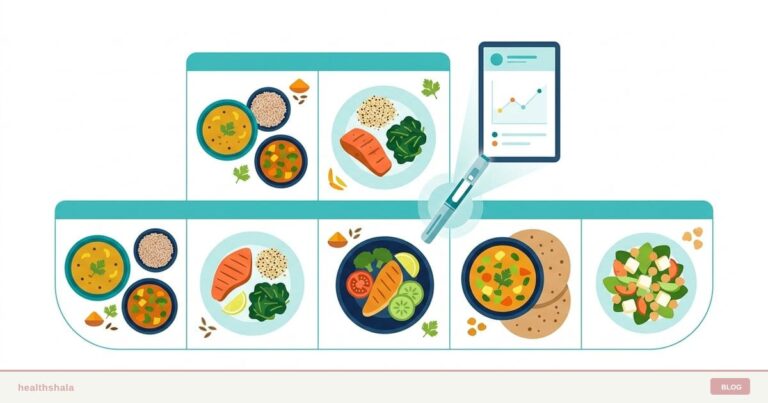
3 Real Indian Meal Plans for 100g+ Protein on Different Nausea Levels
Mounjaro nausea isn’t constant. You’ll have good days and awful days. Here are meal structures for both.
Plan 1: Low Nausea Day (can eat normal portions)
- Breakfast: 3 egg omelette with vegetables (18g) + 1 roti (3g) = 21g
- Mid-morning: 1 cup curd with flaxseeds (7g) = 7g
- Lunch: 2 katoris rajma (16g) + 1 katori rice (3g) + cucumber raita (4g) + mixed sabzi (2g) = 25g
- Evening: Roasted chana (100g) = 20g
- Dinner: 150g paneer tikka (27g) + 1 katori dal (6g) + sautéed vegetables (2g) = 35g
Total: 108g protein
Plan 2: Moderate Nausea Day (smaller portions, easier foods)
- Breakfast: 2 boiled eggs (12g) + 1 slice toast (4g) = 16g
- Mid-morning: Small bowl hung curd (12g) = 12g
- Lunch: 100g paneer bhurji (18g) + 1 small roti (3g) + tomato slices = 21g
- Evening: Protein shake with almond milk (25g) = 25g
- Dinner: 1.5 katoris moong dal khichdi (12g) + curd (6g) + ghee tadka = 18g
Total: 92g protein (acceptable on bad days. aim for 85g minimum)
Plan 3: High Nausea Day (survival mode. protein first, volume last)
- Morning: 2 eggs scrambled with salt (12g) = 12g
- Late morning: 100g paneer cubes plain (18g) = 18g
- Afternoon: 1 cup Greek yogurt (20g) = 20g
- Evening: Protein shake (25g) = 25g
- Night: 1 katori moong dal soup (8g) + 50g tofu (4g) = 12g
Total: 87g protein
Notice the pattern: paneer and eggs become your insurance policy when appetite crashes. A 100g paneer block is 18g protein in hand-sized portions. Two eggs are 12g protein you can eat in 3 minutes. Dal requires eating volume you might not have.
The Fiber Factor: Why Protein Alone Won’t Protect Your Muscle
Here’s what most Mounjaro diet advice misses: protein builds muscle, but fiber prevents constipation that makes eating protein impossible.
GLP-1 medications slow gastric emptying. You’re already eating less. Without adequate fiber (25-30g daily), you’ll get constipated within 10 days. Then eating becomes painful, protein intake drops, and muscle loss accelerates.
The Indian vegetarian advantage: most protein sources come with built-in fiber.
- Rajma: 8g protein + 7g fiber per katori
- Chole: 7.5g protein + 6g fiber per katori
- Moong dal: 8g protein + 5g fiber per katori
- Sprouted moong salad: 7g protein + 8g fiber per katori
The equation: every 30g protein from legumes should come with 10-12g fiber. If you’re eating paneer-egg heavy meals (low fiber), add deliberate fiber sources:
- 1 katori cucumber raita = 2g fiber
- 1 serving lauki sabzi = 3g fiber
- 1 small bowl mixed salad = 4g fiber
- Psyllium husk in curd = 5g fiber (last resort on constipated days)
Research shows GLP-1 users who maintain 25g+ daily fiber have 60% better medication adherence because they don’t experience the gut issues that make eating unbearable.
What Healthshala Users Do Differently on Mounjaro
The typical Mounjaro user tracks nothing and hopes their “high protein diet” is working. They eat paneer sometimes, dal most days, and wonder why they’re losing muscle along with fat.
Healthshala users track protein and fiber in real Indian portions. katoris, not grams. They log “2 katoris rajma” and instantly see 16g protein + 14g fiber. No food scale. No nutrition label hunting.
The app solves three problems simultaneously:
1. Portion clarity in family-style meals
You eat a thali. How much dal did you actually consume? Healthshala calculates based on katori counts, not abstract “servings.” This matters because 1 katori dal is 6-8g protein, but people often think they ate “dal” without quantifying if it was enough.
2. Nausea day meal recommendations
When nausea hits, the app shows “easy protein” alternatives: paneer cubes, boiled eggs, hung curd. Not generic advice like “eat lean protein.” Specific Indian foods you already have.
3. Muscle protection tracking
The goal isn’t hitting 100g protein once. It’s averaging 90-100g across 180 days of Mounjaro treatment. Healthshala tracks your weekly average and flags the danger zone: three consecutive days below 70g protein means muscle breakdown risk.
Most GLP-1 users track calories in MyFitnessPal and wonder why tracking feels like homework. Healthshala users track protein + fiber in under 90 seconds per meal because the database speaks their language: dal-roti-sabzi, not macronutrients.
Stop Guessing If Your Dal-Roti Has Enough Protein
Track protein + fiber in real Indian portions. Built for Mounjaro users who eat home food, not meal prep.
Common Questions About Protein on Mounjaro for Indian Vegetarians
Can I hit 100g protein daily without eating paneer or eggs?
Technically yes, but practically very difficult on Mounjaro when nausea limits food volume. You’d need 3-4 katoris dal + 2 katoris rajma + chole + sprouted moong daily. That’s too much eating when GLP-1 medications suppress appetite. Paneer (18g per 100g) and eggs (13g per 100g) provide protein density that dal (6-8g per katori) can’t match. If you’re vegan, tofu (8g per 100g) plus protein powder becomes necessary.
Is protein powder necessary on Mounjaro or can I get it from food?
Food-first is always better because you get fiber, vitamins, and better satiety. But protein powder becomes useful on high nausea days when eating solids is difficult. One scoop (25g protein) can replace a full meal when you can’t face paneer or eggs. The key: use it strategically 3-4 days per week, not as your primary protein source. Whole foods should provide 75-80g, powder fills the gap to 100g on bad days.
Does dal have complete protein or do I need to pair it with rice?
Most dals are incomplete proteins (lacking methionine), but eating rice in the same meal creates a complete amino acid profile. However, on Mounjaro, prioritize protein volume over amino acid perfection. Eating 2 katoris rajma alone (16g protein) is better than 1 katori rajma + 1 katori rice (19g protein) because rice takes up stomach space without adding much protein. Pair legumes with grains across the day, not necessarily in one meal.
How do I know if I’m losing muscle or just fat on Mounjaro?
Track strength, not just weight. If you could climb two flights of stairs easily before Mounjaro and now feel winded, that’s muscle loss. Other signs: looser skin despite weight loss, fatigue even with adequate sleep, slower workout recovery. Ideal scenario: lose 1kg per week while maintaining baseline strength in daily activities. If weakness increases disproportionate to weight loss, increase protein to 110-120g daily and add resistance exercises 2-3 times weekly.
Can I eat all my daily protein in two big meals or do I need to spread it out?
Your body can only synthesize 25-30g protein per meal into muscle. Eating 100g protein in two meals means wasting 40-50g that gets converted to glucose instead of protecting muscle. Optimal distribution: 25-30g across four eating occasions (breakfast, lunch, snack, dinner). This is especially important on Mounjaro because GLP-1 medications slow digestion. eating 50g protein in one sitting when gastric emptying is delayed causes uncomfortable fullness that makes future meals harder.
What if I’m lactose intolerant. can I still eat paneer and curd on Mounjaro?
Mounjaro can trigger temporary lactose intolerance even if you previously tolerated dairy well. Try paneer in small amounts (50g) first. the fermentation process reduces lactose. Hung curd is often better tolerated than regular curd. If dairy causes bloating or nausea, switch to: tofu (8g protein per 100g), soy milk (7g per cup), or lactose-free paneer now available in major Indian cities. You’ll need larger portions of these alternatives since they’re less protein-dense than regular paneer.