The Expert Guide to Mounjaro side effects after eating Indian food
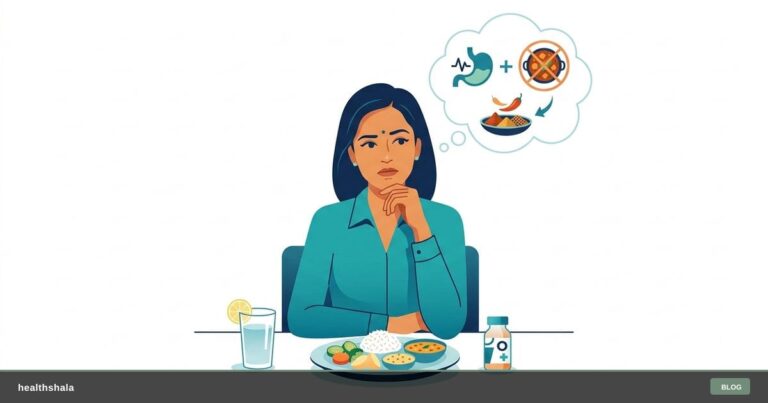
You took your Mounjaro shot on Thursday. Saturday lunch was dal makhani, jeera rice, and two rotis. a normal meal. By 3 PM, you’re dealing with sulphur burps that smell like rotten eggs, nausea that makes you want to lie completely still, and a bathroom situation you didn’t see coming. Your first thought: was it the dal, or is this the drug?
The answer is both, and understanding why matters more than you think.
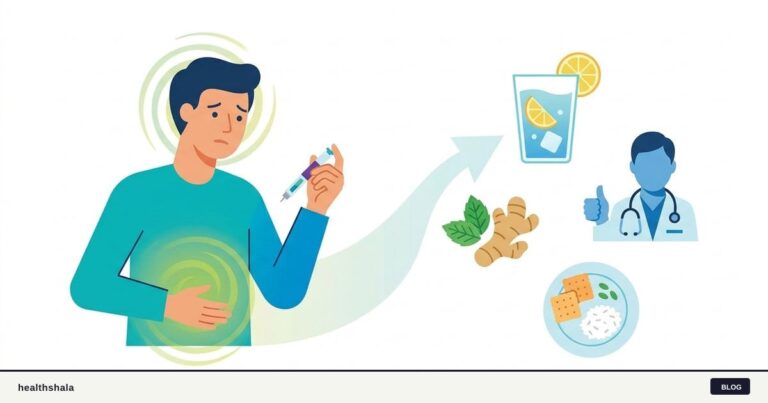
Mounjaro amplifies side effects when you eat Indian foods high in fat, fiber, or sugar because tirzepatide slows gastric emptying by up to 70%. Foods like dal makhani, paneer curry, and fried snacks sit in your stomach longer, fermenting and producing hydrogen sulfide gas (sulphur burps), while high-fiber meals like rajma or chole trigger diarrhea as undigested food moves through your intestines. The drug doesn’t cause these reactions. it exposes how your body processes specific Indian food components.
Why Dal Makhani Hits Different on Mounjaro (But Plain Dal Doesn’t)
Tirzepatide slows your stomach’s ability to push food into your intestines.
When you eat dal makhani. black lentils cooked with cream, butter, and tomato puree. that meal now sits in your stomach for 4-6 hours instead of the normal 2-3. The cream and butter separate. The lentils start fermenting. Your stomach produces extra acid to break down the fat. Studies show 15-20% of Mounjaro users experience nausea and indigestion, but what they don’t tell you is that fat content determines severity.
Here’s what happens at the chemical level.
Fat requires bile acids and pancreatic lipase to digest. Mounjaro’s active ingredient, tirzepatide, mimics GIP and GLP-1 hormones that directly slow gastric motility. When fat-heavy food stalls in your stomach, bacteria in your gut start breaking down proteins and sulfur-containing amino acids. This produces hydrogen sulfide. the compound behind sulphur burps that smell like rotten eggs.
Plain dal (arhar, moong, masoor) cooked with minimal oil doesn’t trigger the same reaction. The difference isn’t the lentils. It’s the cooking medium.
A single tablespoon of ghee or butter in dal makhani adds 14g of fat. Your pre-Mounjaro stomach could handle this. Your post-injection stomach cannot. The drug has fundamentally changed your digestive timeline, and Indian restaurant-style cooking. designed for taste, not gastric emptying. becomes a minefield.
“Fat content, not spice level, predicts Mounjaro side effects severity. A mild paneer makhani with 25g fat per serving will cause more nausea than a spicy but low-fat sambhar.”
The Indian Food Fat Hierarchy That Determines Your Symptoms
Not all Indian food behaves the same way on Mounjaro. The fat content determines symptom severity.
- High-risk (20g+ fat per serving): Dal makhani, paneer butter masala, malai kofta, chicken korma, any dish with “makhani” or “malai” in the name
- Medium-risk (10-20g fat): Restaurant-style paneer tikka, samosas, pakoras, aloo paratha with ghee, biryanis with fried onions
- Low-risk (under 10g fat): Plain dal tadka, rajma (no cream), chole, sambhar, idli-sambhar, steamed dhokla, grilled paneer without gravy
The problem isn’t that you ate Indian food. The problem is that restaurant-style Indian cooking uses fat as a flavor carrier, and Mounjaro has made your stomach unable to process that volume efficiently.
The Rajma-Chole Paradox: Why High-Fiber Foods Trigger Diarrhea
You’d think high-protein, high-fiber meals like rajma or chole would be perfect on Mounjaro.
They’re not. And here’s why.
Rajma contains 15g fiber per cooked cup. Chole has 12g. When these foods sit in your stomach for extended periods due to slowed gastric emptying, then suddenly move into your intestines, your gut microbiome can’t process the fiber load fast enough. Real-world data from Indian Mounjaro users shows 25% experience diarrhea, with legume-heavy meals being a primary trigger.
The mechanism is straightforward but brutal.
Fiber draws water into your intestines. Normally, this happens gradually as food moves through your digestive system. On Mounjaro, food sits in your stomach for hours, then dumps into your intestines in a concentrated mass. Your body responds by pulling massive amounts of water into your colon to dilute the fiber. Result: urgent, watery diarrhea 2-4 hours after eating.
This doesn’t mean you should avoid fiber. It means you need to rethink portion sizes and preparation methods.
How to Eat Rajma Without the Bathroom Sprint
The solution isn’t elimination. It’s dilution and timing.
- Reduce portion size by half: One katori rajma instead of two. Your protein goal stays intact because you’re eating more frequently, not more volume per meal.
- Pair with low-fiber carbs: White rice absorbs liquid and slows intestinal transit. Brown rice adds more fiber and makes symptoms worse.
- Skip the onion-tomato base: Raw onions ferment aggressively in a slow-moving stomach. Tomatoes add acidity that triggers nausea. Ask for rajma cooked with jeera and garlic only.
- Eat rajma at lunch, never dinner: Your gastric emptying is slowest at night. A 2 PM rajma meal clears your system by 8 PM. A 9 PM meal sits until 3 AM.
Your pre-Mounjaro portions don’t apply anymore. The drug has fundamentally altered your digestive capacity, and continuing to eat the same volumes is why you’re spending afternoons in the bathroom.
The Sugar Problem Nobody Warns You About (Especially Mithai and Chai)
High-sugar foods are explicitly listed as problematic on Mounjaro, but the guidance assumes you’re eating Western desserts.
Indian sugar intake is different. It’s not cake and ice cream. It’s jalebi at a wedding, gulab jamun after dinner, and three cups of chai with two teaspoons of sugar each throughout the day. That’s 30-40g of sugar consumed in small doses, not one big dessert. And your body reacts violently.
Here’s the mechanism.
Sugar triggers insulin release. Mounjaro amplifies insulin sensitivity as part of its diabetes mechanism. When you drink chai with sugar, your blood glucose spikes, insulin floods your system, then glucose crashes hard. The nausea you feel isn’t from the sugar itself. it’s from the rapid glucose drop combined with a stomach full of liquid that can’t empty.
Chai is particularly brutal because:
- Liquid sugar absorbs faster than solid sugar
- Milk adds 8g of lactose (another sugar) that many Indians can’t fully digest
- Caffeine stimulates gastric acid production in a stomach that’s already struggling
- You’re likely drinking it on an empty stomach or between meals, maximizing the glucose spike
The fix isn’t switching to jaggery or honey. Both are still sugar. The fix is eliminating added sugar entirely from beverages and saving your sugar tolerance for actual food.
One piece of gulab jamun at a family dinner is manageable. Three cups of chai plus biscuits throughout the day will wreck you. Your body can’t tell the difference between “cultural tradition” and “metabolic overload.”
The Spice Red Herring: Why You’re Blaming Mirchi When It’s Actually Timing
Everyone assumes spice causes Mounjaro side effects. It doesn’t.
Capsaicin. the compound in chili peppers. doesn’t interact with tirzepatide. It doesn’t slow gastric emptying. It doesn’t trigger nausea. What capsaicin does is irritate an already inflamed stomach lining, making existing symptoms feel worse.
The real culprit is meal timing.
You inject Mounjaro on Sunday morning. By Sunday evening, you feel fine and eat a normal dinner. let’s say roti-sabzi-dal. Monday morning you skip breakfast because you’re not hungry (appetite suppression is working). Monday lunch is chole-bhature because you’re meeting friends. By Monday evening, you’re nauseous and bloated.
You blame the spice in the chole. But the problem is you ate a 600-calorie, high-fat, high-fiber meal after 18 hours of minimal food intake. Your stomach wasn’t prepared. The meal sat like a brick. The bhatura (fried bread with 12g fat per piece) turned into an oil slick in your stomach. The nausea came from volume and fat, not capsaicin.
Indian food is spicy. That’s not changing. But if you eat consistently. small portions every 4-5 hours. your stomach can handle spice without symptoms. The issue is erratic eating patterns that Mounjaro’s appetite suppression encourages, then trying to eat a full meal when your digestive system has been idle.
“Spice tolerance on Mounjaro correlates with meal frequency, not spice level. Eating small amounts consistently allows your stomach to maintain baseline acid production. Skipping meals then eating one large spicy meal guarantees symptoms.”
What Actually Works: The Indian Food Protocol for Mounjaro Users
Here’s the system that works when Western diet advice fails.
Meal 1 (8-9 AM): Protein-first, minimal fat. Boiled egg whites, plain moong dal chilla, or Greek yogurt with cucumber. Goal: 15-20g protein, under 5g fat. This sets your appetite baseline without triggering nausea.
Meal 2 (12-1 PM): Your main meal, Indian-food appropriate. One katori dal, one katori sabzi, two small rotis or one cup rice, and one portion of paneer (4-5 pieces, grilled not fried). Total: 25-30g protein, 12-15g fat, 40-50g carbs. This is your fiber load for the day. don’t add more high-fiber foods later.
Meal 3 (4-5 PM): Light protein snack. Roasted chana, one cup buttermilk with jeera, or two boiled eggs. Goal: 10-12g protein, under 3g fat. Prevents the dinner hunger that leads to overeating.
Meal 4 (7-8 PM): Protein-vegetable only, minimal carbs. Grilled chicken or paneer tikka with cucumber-tomato salad, or palak with cottage cheese. Skip roti and rice. Your body doesn’t need carbs at night, and they’ll sit in your stomach until morning.
Total daily: 60-70g protein, 25-30g fat, 80-100g carbs, 25-30g fiber.
This isn’t a diet. It’s a gastric emptying optimization strategy that accounts for how tirzepatide has changed your digestive timeline. Research shows gastrointestinal issues affect over 50% of Mounjaro users, but the solution isn’t medication. it’s eating in sync with how the drug works.
The Bad Day Protocol (When Nausea Wins)
Some days your stomach refuses everything. You woke up nauseous, the thought of dal makes you gag, and you’re terrified you won’t hit your protein goal.
Abandon the protocol. Switch to survival mode.
- Khichdi with minimal ghee: 1:3 ratio moong dal to rice. Soft, bland, easy to digest. Gets you 15g protein per bowl.
- Buttermilk throughout the day: Cold, salty, probiotic-rich. Settles your stomach and provides 8g protein per cup.
- Boiled eggs, eat only whites: Zero fat, pure protein. If you can keep down two whites, that’s 7g protein without triggering nausea.
- Skip vegetables entirely: Fiber will make you feel worse. One bad day of low fiber won’t hurt you. Pushing fiber when nauseous will.
Your muscle won’t disappear in 24 hours. Get 40-50g protein however you can, hydrate with salted liquids, and restart the protocol tomorrow. Healthshala’s muscle protection system tracks these bad days and adjusts your weekly targets so one rough day doesn’t derail your entire month.
Stop Guessing What to Eat on Mounjaro
Get daily Indian food portions that protect your muscle. even on bad days.
Frequently Asked Questions
Why do I get sulphur burps only after eating specific Indian foods on Mounjaro?
Sulphur burps happen when protein-rich foods (paneer, eggs, dal) sit in your stomach for extended periods due to slowed gastric emptying, causing bacteria to break down sulfur-containing amino acids into hydrogen sulfide gas. Foods high in both protein and fat (like paneer curry or dal makhani) are the worst triggers because fat slows digestion even further. Plain dal or grilled paneer without heavy gravy produces fewer sulphur burps because they move through your stomach faster.
Can I eat biryani on Mounjaro without getting sick?
Yes, but only homemade versions with minimal oil and no fried onions. Restaurant biryani contains 20-30g fat per serving from ghee and fried garnishes, which will sit in your stomach for 6+ hours and cause severe nausea. Make biryani with grilled chicken or paneer, use 1 tablespoon oil maximum, skip the fried onions, and eat a small portion (1 cup) at lunch, never dinner. Your stomach can handle it if the fat content stays under 10g per serving.
How long after my Mounjaro injection are Indian food side effects worst?
Days 2-4 after injection are peak symptom days because tirzepatide reaches maximum blood concentration 48-72 hours post-injection. If you inject Sunday morning, Tuesday and Wednesday will be your most nausea-prone days. Schedule lighter meals (khichdi, plain dal, grilled proteins) during this window and save higher-fat Indian foods like paneer dishes or restaurant meals for days 5-7 when drug levels start declining.
Is diarrhea after eating rajma or chole normal on Mounjaro?
Yes, it’s common but manageable. Rajma and chole contain 12-15g fiber per cup, which draws water into your intestines when it suddenly moves out of your slow-emptying stomach. Reduce portion size to half a katori, pair with white rice instead of brown, drink less water during the meal (sip slowly after), and eat these foods at lunch only. If diarrhea persists beyond 4 hours or happens with every high-fiber meal, your dose may need adjustment.
Should I take a probiotic to reduce Mounjaro side effects from Indian food?
Probiotics won’t fix the core problem (slowed gastric emptying) but may reduce gas and bloating. Focus on food-based probiotics that fit Indian meals: one cup homemade curd daily, buttermilk with lunch, or fermented idli-dosa batter. These provide beneficial bacteria without the expense of supplements. More importantly, address meal composition (reduce fat, control fiber portions, eat smaller amounts more frequently) which solves symptoms at the source rather than treating them after they occur.
Why do I feel more nauseous eating at Indian restaurants versus home food on Mounjaro?
Restaurant Indian food uses 3-4x more oil, butter, and cream than home cooking to enhance flavor and texture. A restaurant paneer tikka masala contains 25-30g fat per serving versus 8-10g in the same dish made at home. Your Mounjaro-slowed stomach cannot process this fat load efficiently, leading to severe nausea, sulphur burps, and prolonged fullness. When eating out, order grilled items (tandoori chicken, paneer tikka without gravy), ask for minimal oil, skip cream-based gravies entirely, and eat half the portion you’d normally consume.