The Expert Guide to Best apps for tracking nutrition on Mounjaro
Most Indians on Mounjaro are tracking their medication perfectly but losing muscle silently because their nutrition apps don’t understand that “1 katori dal” isn’t a measurement in any Western database.
The best apps for tracking nutrition on Mounjaro are those that log protein in portions you actually eat (bowls, pieces, servings) and flag muscle loss risk. not just calories. For Indians specifically, you need an app that understands paneer protein content without asking you to weigh it, tracks injection day nausea patterns, and tells you if your muscle is safe when the scale drops. Generic apps like MyFitnessPal fail here because they don’t convert “2 pieces grilled paneer” or “1 bowl rajma” into protein grams using Indian food data.
Why Standard Nutrition Apps Fail on Mounjaro
You’re spending ₹25,000/month on Mounjaro. The medication is doing its job.
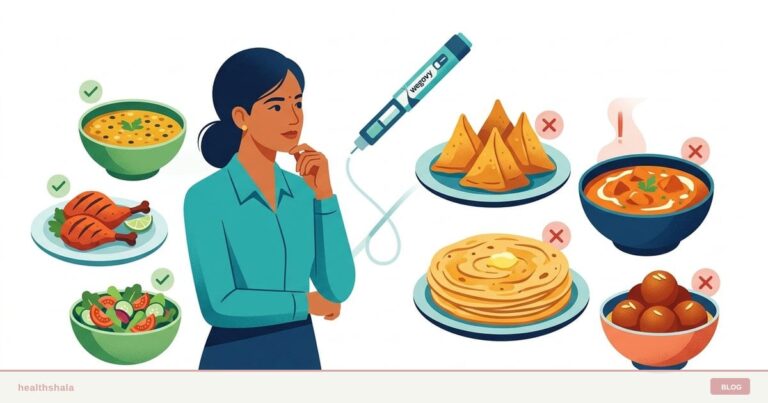
But your nutrition app is showing “chicken breast – 100g” and “Greek yogurt – 1 cup” as suggested entries while you’re eating dal-chawal and paneer sabzi. This isn’t a cosmetic problem. It’s a muscle protection crisis.
Reddit users tracking Mounjaro progress consistently report using 2-3 separate apps. Shotsy for dose tracking, LoseIt for food, Happy Scale for weight. because no single tool bridges medication side effects with actual eating patterns. The problem compounds for Indians: you’re translating your grandmother’s cooking into a database built for American meal prep.
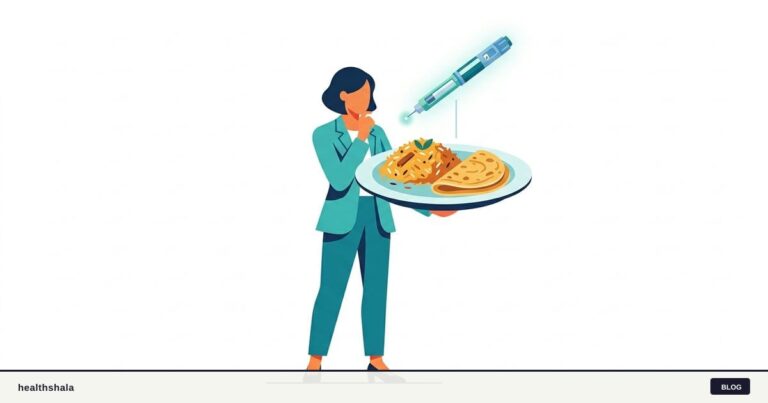
Here’s what happens. You log “paneer sabzi” in MyFitnessPal. The app asks: raw paneer or cooked? How many grams? You ate 2 pieces. You have no idea what that weighs. You guess “100g” because that’s what the database suggests. The actual protein could be 8g or 18g depending on how it was cut and cooked.
Over a week, these guesses compound. You think you’re hitting 60g protein daily. You’re actually at 35g. Your muscle protection score. if any app even calculated one. would be red. But you don’t know because standard apps optimize for calorie deficits, not muscle preservation under appetite suppression.
The medication suppresses appetite brilliantly. The app should tell you what to eat in the small window when you can eat. not ask you to measure food you can barely stomach.
What GLP-1 Users Actually Need in a Nutrition Tracker
Mounjaro changes how you eat. Your app needs to change how it tracks.
First: portion-based logging in home measurements. Not grams. Not cups. Katori, bowl, piece, roti. Apps like Mounjaro Tracker with 80,000+ users understand this partially. they log doses and weight. but still send you to external tools for nutrition because building an Indian food database in real portions is hard.
The IFCT 2017 (Indian Food Composition Tables) exists. It has protein and fiber data for dal, paneer, curd, rajma, chana. But translating that into “1 katori cooked toor dal = 6.8g protein” requires portion mapping that Western apps never built.
Second: muscle vs fat tracking. The scale drops 4kg in a month. Is that good? Only if it’s mostly fat. Standard apps celebrate any weight loss. GLP-1 users need to know if they’re losing muscle because their protein is too low while their appetite is crushed. This requires protein intake monitoring against body composition trends. not just BMI tracking.
Third: nausea-responsive meal logging. You’re 3 days post-injection. Nausea is peaking. You can’t eat anything heavy. Your app should have a “bad day mode” that shows nausea-proof protein sources ranked by what actually stays down. hung curd, boiled eggs, khichdi with moong dal. not a generic meal plan that assumes you can eat normally every day.
The Injection Day Problem
Generic nutrition apps don’t sync with your medication schedule. They don’t know you inject Mounjaro every Thursday. They don’t flag that your protein drops 40% in the 3 days after injection because nausea kills your appetite.
You need an app that maps food intake to injection cycles. That learns your nausea pattern (Day 1 post-injection: mild, Day 2-3: peak, Day 4-7: recovering appetite) and adjusts recommendations. On Day 2, it shouldn’t suggest grilled chicken. It should suggest: “1 bowl curd + 1 boiled egg if you can manage it. Muscle still protected at 45g total today.”
How Indian Food Portions Break Western Tracking Systems
Your lunch is dal, roti, sabzi, curd. Protein sources: dal and curd. How much protein did you eat?
Western apps force you into grams. Indian cooking doesn’t work in grams. Your mother doesn’t measure dal in cups before cooking. She eyeballs it. The dal expands differently based on how much water she added. The serving size depends on who’s serving.
Here’s the real measurement system Indians use:
- 1 katori toor dal (cooked, typical home serving)
- 2 rotis (standard size, not restaurant jumbo)
- 1 bowl curd (what your bowl size actually is, not “1 cup”)
- 2 pieces paneer (from your sabzi, however it was cut)
IFCT 2017 data exists for these foods. But the portion conversion is missing. Apps built for American kitchens can’t bridge this gap because they’ve never mapped Indian serving vessels to gram equivalents in different cooking contexts.
The result: you’re either not tracking at all (too frustrating), or you’re logging wildly inaccurate guesses and wondering why your muscle feels off despite “tracking everything.”
The Protein Visibility Problem
You ate rajma-chawal for lunch. You know rajma has protein. You don’t know if you ate 12g or 22g because the serving size varied and the app database shows “kidney beans, boiled, 100g” which means nothing to you.
This isn’t nitpicking. On Mounjaro, hitting 60g protein daily vs 35g protein daily is the difference between maintaining muscle mass and losing it silently. The medication doesn’t care. Your metabolism does.
Nutrition tracking apps approved by experts focus on comprehensive logging. But comprehensive for whom? If the database requires precision you can’t provide with home-cooked Indian meals, the app’s accuracy is an illusion.
What to Look for in a Mounjaro Nutrition Tracker
Forget calorie counting. That’s not your problem on Mounjaro. Your problem is muscle protection while eating 60% less food than before.
Here’s what actually matters:
- Indian food database in home portions. dal, paneer, curd, rajma logged as katori/bowl/piece with IFCT-sourced protein data, not user-submitted guesses
- Muscle protection scoring. daily feedback on whether protein + fiber intake is protecting muscle based on your weight trend, not just “you ate X calories”
- Injection cycle awareness. the app knows when you dosed and adjusts expectations for the nausea window instead of treating every day identically
- Nausea-friendly meal suggestions. what to eat when you can barely eat, ranked by protein density and how well it stays down
- No calorie obsession. Mounjaro already crushes appetite; tracking calories adds zero value and creates food anxiety
Apps like Shotsy and Weightly track doses and weight excellently. They’re built for GLP-1 medications specifically. But they still outsource nutrition tracking to generic tools because building food databases is hard, and building Indian-specific portion databases is harder.
That’s the gap. You need medication tracking + Indian food tracking + muscle monitoring in one place. Currently, most users are duct-taping 2-3 apps together and still guessing on protein.
Why This Matters More Than You Think
Mounjaro works fast. You’ll lose 6-8kg in the first 2 months if you respond well.
The question isn’t whether you’ll lose weight. The question is what weight you’ll lose. If your protein is chronically low because you’re logging blindly, 30-40% of that loss could be muscle. You won’t feel it immediately. You’ll feel it 4 months in when you’re exhausted, weaker, and your weight loss has plateaued because your metabolism dropped with your muscle mass.
This is preventable. But prevention requires accurate protein tracking in the food you actually eat, with feedback that tells you if you’re on track before the damage is done.
Track Mounjaro Nutrition in Actual Indian Portions
Log dal, paneer, curd in katori and bowl measurements with muscle protection scoring built for GLP-1 users.
Frequently Asked Questions
Can I use MyFitnessPal or HealthifyMe for Mounjaro nutrition tracking?
You can, but you’ll spend 10 minutes per meal converting home portions to grams and still guess wrong on protein. These apps don’t map “1 katori rajma” to IFCT data, don’t track muscle vs fat loss, and don’t adjust for injection-day nausea. They’re built for generic calorie counting, not GLP-1 muscle protection.
How much protein do I actually need on Mounjaro?
Aim for 1.2-1.6g per kg of your goal weight, split across meals. For most Indians on Mounjaro, that’s 60-80g daily. The real challenge isn’t the number. it’s hitting it consistently when your appetite is crushed and you’re nauseous 3 days a week. Your app should tell you if you’re on track based on what you can actually eat, not what a generic macro calculator says.
What should I eat on injection days when I’m too nauseous for regular meals?
Prioritize easy-to-digest protein sources: hung curd (1 bowl = 12g protein), boiled eggs (1 egg = 6g protein), moong dal khichdi (light, protein-dense), or protein-rich buttermilk. Skip heavy paneer sabzi or rajma. Your app should flag these as “bad day mode” options and confirm that even at reduced intake, your muscle protection score stays green if you hit 45-50g protein minimum.
How do I know if I’m losing muscle or just fat on Mounjaro?
Track your protein intake consistency and weight trend together. If you’re losing 2kg/month but your protein averages below 50g daily, muscle loss is likely. A good GLP-1 nutrition app shows muscle protection scoring. green if your protein and fiber intake supports muscle maintenance, red if you’re at risk. Generic apps only show weight dropping, which looks good but hides muscle loss until it’s too late.
Why can’t I just track calories instead of protein on Mounjaro?
Mounjaro already creates a calorie deficit by crushing your appetite. you don’t need to track calories to lose weight. The drug does that. Your job is to protect muscle while it works, which requires adequate protein intake despite eating less overall. Calorie tracking adds food anxiety without solving the actual problem: are you eating enough protein to maintain muscle mass while the medication suppresses hunger?
What’s the best free app for tracking Mounjaro nutrition?
No free app currently handles GLP-1 nutrition tracking well for Indian food. Shotsy and Mounjaro Tracker are excellent for dose and weight tracking but require separate nutrition apps. Generic free apps like MyFitnessPal force you into gram-based logging that doesn’t match how Indians cook or serve food. For proper muscle protection tracking in Indian portions, you need a purpose-built tool like Healthshala that maps katori/bowl portions to IFCT protein data and scores muscle safety daily.