What Indian Dinner to Eat on Mounjaro Without Losing Muscle: Complete Protein Guide
The woman who lost 12kg on Mounjaro in 3 months couldn’t understand why her arms looked softer despite the weight loss. until her DEXA scan revealed she’d lost 4kg of muscle along with the fat.
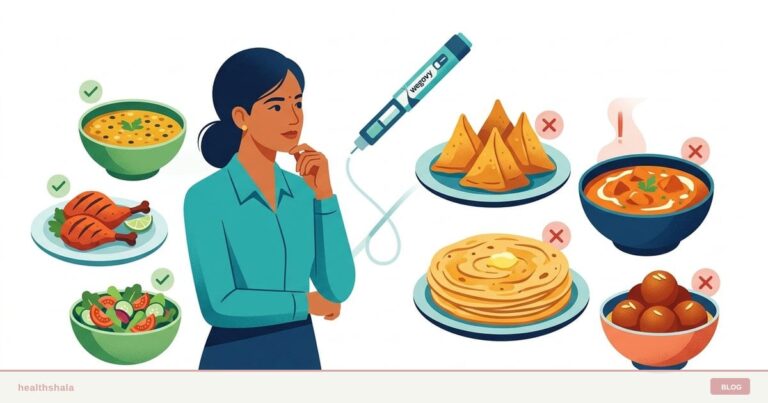
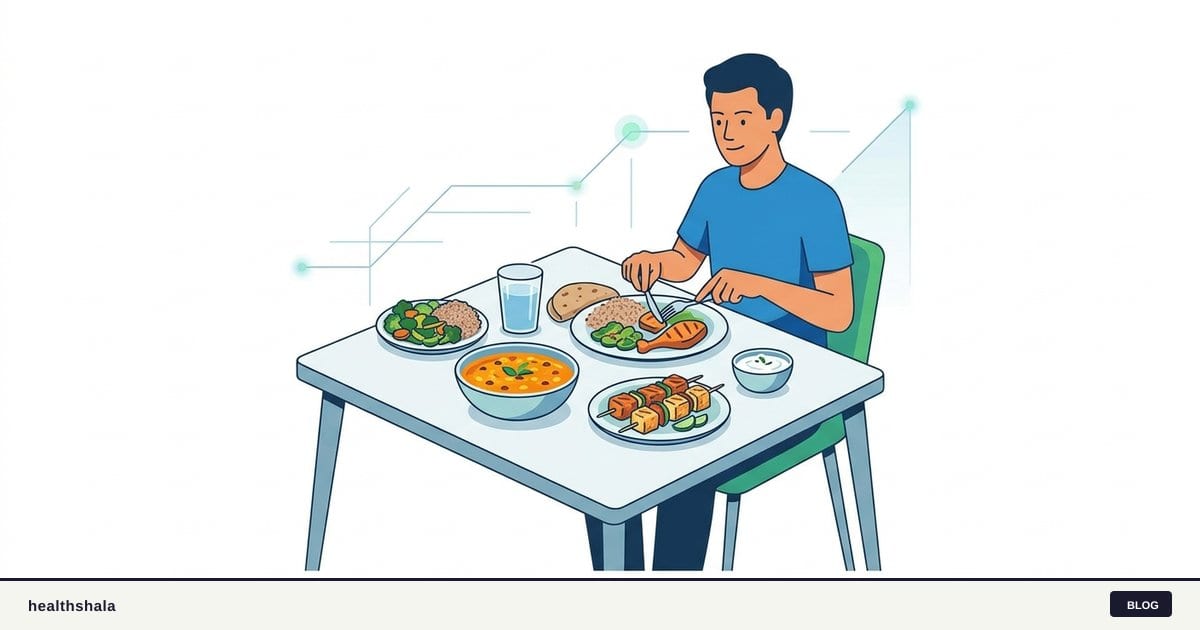
The ideal Indian dinner on Mounjaro must deliver 25-30g protein in nausea-friendly portions to protect muscle during rapid fat loss. Your best options: 150g paneer tikka with mint chutney (28g protein), 2 bowls masoor dal with 1 roti (22g protein), or 3-egg bhurji with sautéed vegetables (18g protein). Skip rice-heavy meals and oil-laden curries that trigger nausea without delivering the protein density your shrinking appetite demands.
Why Dinner Matters More on Mounjaro Than Other Meals
Your body repairs muscle tissue during sleep.
When you’re losing 1-1.5kg weekly on Mounjaro, that overnight repair window becomes critical. GLP-1 medications reduce appetite so dramatically that most users eat 40-60% fewer calories than before. Without adequate protein at dinner, your body cannibalises muscle tissue for amino acids while you sleep.
The math is brutal for Indians on tirzepatide injections.
You need 80-100g protein daily to maintain muscle mass during weight loss. If breakfast gives you 15g (2 eggs) and lunch delivers 20g (rajma-chawal), you’re walking into dinner needing 35-40g minimum. But Mounjaro’s nausea peaks 2-3 days after injection, and evening meals become the hardest to finish.
This creates the skinny-fat crisis nobody warns you about.
The Protein Density Problem With Traditional Indian Dinners
A typical Indian dinner fails the muscle-protection test because portion sizes assume normal appetite.
Consider what most families eat:
- 2 rotis with sabzi (8g protein)
- 1 bowl dal (6g protein)
- Rice with yoghurt (5g protein)
Total protein: 19g. Less than half of what you need.
The problem isn’t the food. it’s the ratios. Traditional Indian meals were designed for people eating 3-4 rotis, not someone on Mounjaro who gets full after 4 bites. When appetite crashes, carb-forward meals leave you protein-deficient by default.
Western nutrition advice doesn’t help.
Generic Mounjaro diet plans recommend “lean protein and vegetables”. useless guidance when you’re staring at leftover aaloo gobi and questioning whether paneer counts as lean protein. You need specific Indian portions that work with suppressed appetite, not chicken breast measurements.
High-Protein Indian Dinner Options That Actually Work on Mounjaro
Option 1: Paneer-Forward Meals (25-30g protein)
150g paneer tikka with 1 roti and cucumber raita delivers 28g protein in a volume your nauseous stomach can handle. The tandoori preparation keeps oil minimal, and the mint-coriander chutney helps settle Mounjaro’s digestive effects.
Alternative: Palak paneer with extra paneer cubes (200g paneer instead of the typical 100g). Request less gravy, more protein. This gives you 32g protein with the spinach adding iron you’re likely deficient in during rapid weight loss.
Option 2: Dal-Centric High-Volume Meals (20-25g protein)
2 bowls of masoor dal (red lentils) with 1 roti and a side of cucumber-tomato salad delivers 22g protein. Masoor dal has higher protein density than toor or moong. 15g protein per cup cooked versus 10g.
The liquid volume helps when solid food feels heavy. Add a squeeze of lemon to reduce the metallic taste some Mounjaro users report with lentils.
Option 3: Egg-Based Dinners (18-24g protein)
3-egg bhurji with sautéed capsicum, onions, and tomatoes gives you 18g protein. Add 2 slices of whole wheat bread and you’re at 22g. This is the easiest option on nausea days when heavy gravies trigger reflux.
For non-vegetarians: Replace one egg with 100g chicken keema to hit 28g protein without increasing volume.
Option 4: Curd-Protein Combinations (15-20g protein base)
300g Greek yoghurt (if available) or hung curd with roasted vegetables and 1 roti delivers 18g protein. This works best 4-5 days post-injection when nausea subsides and you can handle dairy volume.
Add 2 tablespoons roasted chana for crunch and an extra 6g protein.
The difference between maintaining muscle and losing it on Mounjaro often comes down to whether you eat protein-first or carb-first at dinner. When you’re full after 6 bites, those bites must be paneer, not roti.
What Indian Dinner Foods Actively Sabotage Muscle Retention
Avoid biryani on Mounjaro.
A typical serving is 80% rice, 15% vegetables, 5% protein. You’ll fill up on 300 calories of refined carbs and get maybe 8g protein. a complete waste of your limited appetite window. Rice-heavy meals are the fastest path to muscle loss because they create the illusion of eating enough while delivering almost no amino acids.
Other dinner saboteurs:
- Puri-bhaji (deep-fried, protein-empty, nausea trigger)
- Chole-kulcha without extra paneer (12g protein, mostly carbs)
- Vegetable pulao (tasty, filling, 6g protein per bowl)
- Masala dosa (delicious, 8g protein, occupies huge stomach space)
The rule: If it’s primarily a carb vehicle with protein as garnish, skip it while you’re in active weight loss on Mounjaro.
Research confirms that high-fiber complex carbs support GLP-1 effects. but only when protein needs are met first. Rice and roti aren’t evil, but they can’t be the foundation of dinner when you’re spending ₹30,000/month on medication designed to protect metabolic health.
How to Structure Your Indian Dinner for Maximum Muscle Protection
The Protein-First Eating Sequence
Eat paneer/dal/eggs first, before touching roti or rice.
This isn’t just strategy. it’s survival when Mounjaro limits you to 30% of normal food volume. If you start with roti, you’ll be full before the protein arrives. Your body doesn’t care that you “meant” to eat the paneer; it only processes what actually went in.
The 70-20-10 Dinner Plate Rule
- 70% protein (paneer, dal, eggs, chicken)
- 20% vegetables (fiber to slow digestion, reduce nausea)
- 10% carbs (1 roti or 3-4 spoons rice maximum)
This inverts the traditional Indian plate where carbs dominate. It feels wrong initially because we’re culturally conditioned to see roti/rice as the “main” and protein as the “side.” On Mounjaro, that thinking costs you muscle mass weekly.
Timing Around Your Injection Schedule
Days 1-2 post-injection: Eat lighter dinners with liquid proteins (dal, curd-based). Nausea peaks now.
Days 3-5 post-injection: This is your protein-loading window. Heavier meals with paneer, eggs, or non-veg proteins. Appetite partially returns.
Days 6-7 pre-next-injection: Maintain high protein but reduce volume as appetite suppression builds again.
Tracking these patterns helps you plan dinners that work with Mounjaro’s pharmacology, not against it.
How Healthshala Solves the “What to Eat Tonight” Crisis
The post-prescription support gap is where most Indians on Mounjaro fail.
Your endocrinologist prescribes tirzepatide and says “eat protein.” You Google “high protein Indian food” and get chicken breast measurements. You download MyFitnessPal and it asks you to weigh cooked moong dal in grams. None of this works at 8 PM when you’re nauseous, staring at leftovers, and have no idea if tonight’s dinner protects or destroys your muscle.
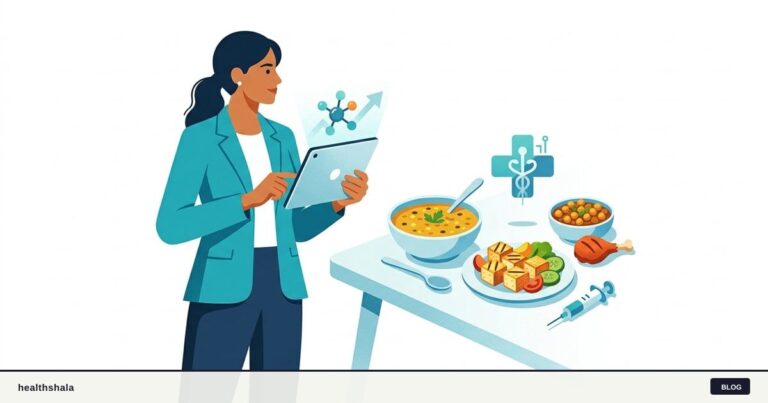
Healthshala tracks protein in the portions you actually eat: dal bowls, paneer pieces, egg counts.
You log “2 bowls masoor dal + 1 roti” and immediately see: 22g protein, 8g fiber, 380 calories. No weighing, no conversions, no American food database confusion. The app knows that “1 bowl” of dal means the standard 150ml katori in Indian homes, not a metric cup.
More importantly: it tells you what you’re missing.
When you’ve logged breakfast (15g protein) and lunch (18g protein), Healthshala shows you need 40g minimum at dinner. and suggests specific Indian meals that hit that target in portions your Mounjaro-suppressed appetite can handle. This muscle-protection focus is what separates GLP-1-specific tracking from generic calorie counting apps.
Because the real failure mode isn’t gaining weight back. it’s losing the weight “successfully” while becoming weaker, softer, and metabolically damaged. That’s the crisis Healthshala prevents, one protein-smart dinner at a time.
Stop Guessing Your Protein Intake Every Night
Track dal portions, paneer pieces, and roti counts that actually protect your muscle on Mounjaro
Frequently Asked Questions
Can I eat rice at dinner on Mounjaro without losing muscle?
Yes, but limit to 3-4 tablespoons and only after eating your protein portion. Rice alone provides 2-3g protein per serving. not enough to protect muscle. Pair it with 150g rajma or 100g paneer to hit 25g+ total protein. The carbs aren’t the enemy; making them the bulk of your meal when appetite is suppressed is the problem.
How much paneer should I eat at dinner to prevent muscle loss?
150-200g paneer delivers 25-32g protein, which covers your dinner protein needs on Mounjaro. That’s roughly 8-10 medium paneer cubes or one full serving of paneer tikka. Most restaurant portions give you 80-100g. always ask for extra paneer, less gravy. On nausea days, even 100g paneer (16g protein) combined with 1 bowl dal gets you to 22g total.
What if I’m vegetarian and can’t eat eggs or paneer every night?
Rotate between 2 bowls masoor dal (22g protein), 1 cup rajma (15g) with yoghurt (8g), or chickpea curry with extra chickpeas (18g protein per cup). Combine legume proteins with dairy. 200g curd with 1 bowl dal hits 28g total. The key is doubling typical dal portions since you’re eating less overall volume. Add roasted chana or peanuts for extra protein density when appetite allows.
Should I eat dinner early or late on Mounjaro injection days?
Eat dinner 4-5 hours after your injection if injecting in the evening, or at your normal time if you inject mornings. Nausea typically peaks 6-12 hours post-injection, so timing dinner before that window helps. On days 1-2 post-injection when nausea is worst, eat smaller high-protein dinners earlier (6-7 PM) rather than forcing a large meal at 9 PM when symptoms intensify.
Can I meal prep Indian dinners for the week on Mounjaro?
Yes, batch-cook dal, rajma, or chickpea curry on weekends. Store 25-30g protein portions in individual containers. Avoid pre-making paneer dishes. paneer gets rubbery when reheated. Instead, keep raw paneer cubes ready and quickly sauté with spices when needed (takes 10 minutes). Meal prep works best for legume-based proteins that improve with refrigeration. Always cook fresh roti or keep frozen parathas to add fiber without prep time.
What Indian dinner option works best when eating out on Mounjaro?
Order paneer tikka (dry, not in gravy) or tandoori chicken with a side of dal and skip the rice/naan initially. Restaurant portions are often protein-light, so explicitly request “extra paneer” or “double chicken.” Avoid creamy gravies (butter chicken, korma) that fill you up with fat calories before you’ve eaten adequate protein. Grilled options with vegetables give you the most protein per bite when appetite is suppressed.