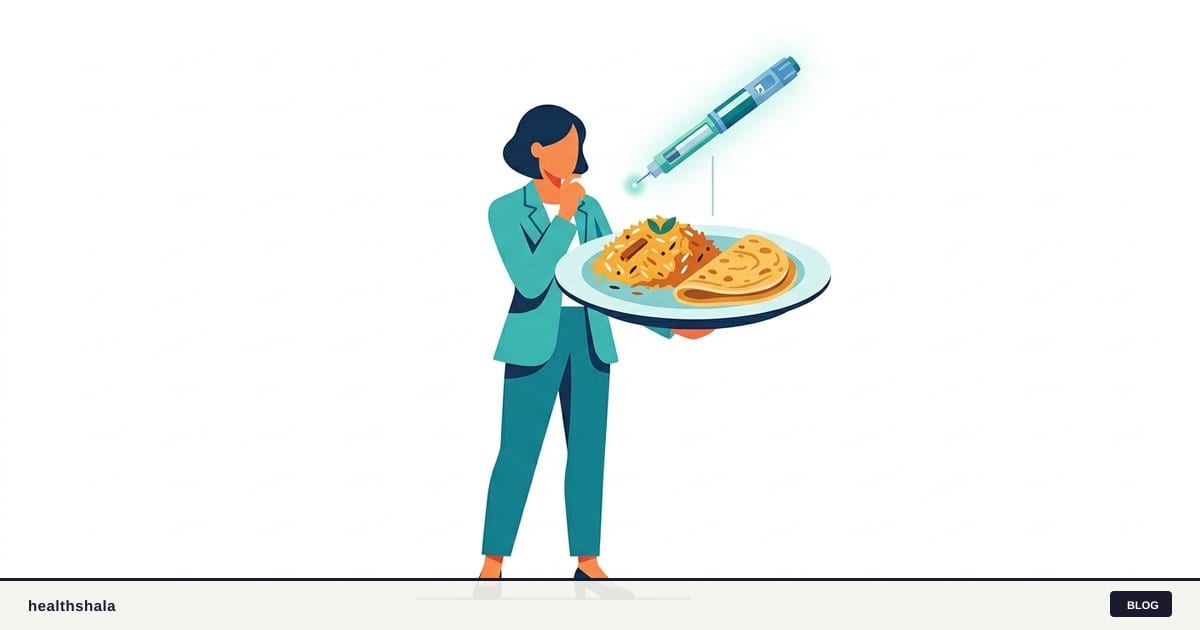
The Expert Guide to can I eat biryani and paratha on Ozempic
You’re three weeks into Ozempic, down 4kg, and your family’s made Sunday biryani. The rice smells incredible. But you’ve read the articles: avoid fried foods, skip high-fat meals, stick to grilled chicken and quinoa. You’re standing in your kitchen wondering if one plate will ruin everything. or if the Western advice even applies to the food you actually eat.
Here’s what the research actually says about biryani, paratha, and GLP-1 medications like Ozempic.
You can eat biryani and paratha on Ozempic. but portion size, protein content, and meal timing matter more than the food itself. A small katori of chicken biryani with raita (20-25g protein, high fiber from rice and vegetables) won’t trigger nausea or stall fat loss. A full plate of mutton biryani with two parathas (60g+ fat, minimal protein) will likely cause digestive distress and reduce the medication’s effectiveness. The question isn’t “allowed or banned”. it’s “how much, with what, and when.”
Why “Avoid Fried Foods” Advice Fails for Indian Meals
Every Ozempic food guide tells you to skip fried, greasy, high-fat foods.
Then you look at your plate: dal, sabzi, roti. Is ghee on the roti “high-fat”? Is paneer tikka “fried”? The Western categorical approach. fried bad, grilled good. doesn’t translate to Indian cooking methods or portion realities.
Research on GLP-1 food interactions shows the issue isn’t fat itself. it’s fat *density* without protein or fiber. A meal with 40g fat and 5g protein will sit in your stomach for hours, triggering nausea and reflux. A meal with 15g fat, 25g protein, and 8g fiber moves through normally and keeps you full without discomfort.
Biryani contains:
- Rice (fiber, especially if basmati or brown rice)
- Protein (chicken, mutton, or paneer. variable amounts)
- Fat (ghee, oil in the masala. also variable)
- Vegetables (onions, tomatoes, sometimes potatoes. added fiber)
The ratio matters more than the food name. One katori of restaurant mutton biryani might contain 35g fat and 15g protein. fat-dominant, nausea risk high. One katori of home-made chicken biryani with extra vegetables might contain 12g fat and 22g protein. protein-dominant, nausea risk low.
You’re not choosing between “allowed” and “banned.” You’re engineering portions.
The Protein-to-Fat Threshold That Matters
Clinical data on GLP-1 users suggests that meals where protein grams exceed fat grams cause significantly fewer gastrointestinal side effects. On Ozempic, your stomach empties slowly. High-fat meals without sufficient protein compound this. food sits, ferments, triggers nausea.
For biryani, this means:
- Small katori (1 cup) chicken biryani: ~22g protein, ~10g fat → safe zone
- Large plate (2+ cups) mutton biryani: ~18g protein, ~35g fat → nausea risk
- Veg biryani with paneer: ~8g protein, ~15g fat → add raita or dahi for protein balance
The same portion-engineering applies to paratha. One plain paratha with dal (25g protein from dal, 8g fat from paratha) works. Two aloo parathas with butter (6g protein, 30g fat) will likely trigger reflux within an hour.
What Actually Happens When You Eat Biryani on Ozempic
Let’s be specific about the mechanism.
Ozempic slows gastric emptying. food moves from stomach to intestines at roughly 50% normal speed. This is how the medication creates fullness. But it also means rich, fat-dense foods that normally take 3-4 hours to digest now take 6-8 hours.
When you eat a typical restaurant biryani plate (400-500g serving), here’s the timeline:
- Hour 1-2: You feel uncomfortably full, possibly nauseous. The ghee and oil sit heavy.
- Hour 3-4: If protein content was low, you’re still full but starting to feel weak. no sustained energy.
- Hour 5-6: Reflux, bloating, or loose stools as the fat finally moves through.
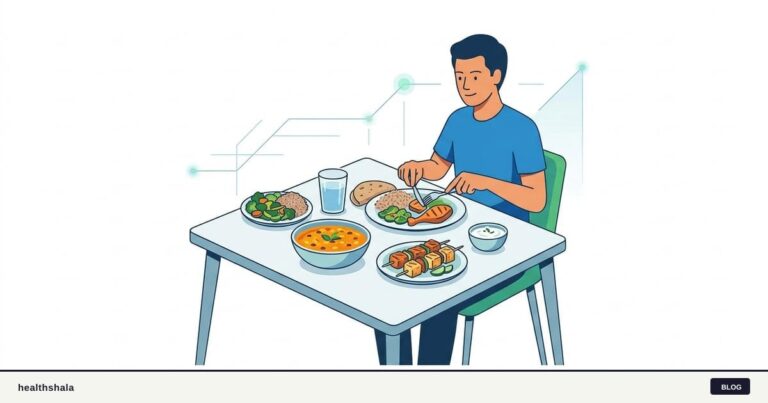
Now compare a muscle-protective portion: 1 small katori biryani + 1 small bowl raita + 1 small bowl cucumber salad.
- Hour 1-2: Comfortably full, not stuffed. The raita’s protein and probiotics aid digestion.
- Hour 3-4: Still satisfied, steady energy from protein and complex carbs.
- Hour 5-6: Gentle hunger returns. no digestive distress.
The biryani didn’t change. Your portion strategy did.
One in eight U.S. adults now takes a GLP-1 medication, and research shows they consume significantly fewer calories per day than non-users. but the challenge isn’t eating less, it’s eating enough protein in smaller volumes without triggering nausea.
The Paratha Problem: Surface Area vs Satiation
Parathas are trickier than biryani for a mechanical reason: fat distribution.
A typical aloo paratha contains 12-15g fat, mostly from ghee or oil layered into the dough and spread on the surface during cooking. That fat coats your stomach lining immediately. before you’ve eaten meaningful protein. On Ozempic, this triggers early satiety signals. You feel full after half a paratha, but you’ve consumed only 4-5g protein. Not enough to protect muscle.
The fix: reverse the eating order. Start with protein, then add the paratha.
- Eat 2-3 spoonfuls of dal or paneer bhurji first (10-12g protein)
- Then eat half a paratha with the remaining dal/sabzi
- Add raita or dahi on the side (another 6-8g protein)
Total protein: 18-20g. Total fat: ~10g. You’ve hit your protein goal without overwhelming your stomach with fat-first eating.
The Indian Plate Strategy for GLP-1 Medications
Restaurants are now adding high-protein, high-fiber menu items specifically for the growing population of GLP-1 users. But in India, you’re not ordering from a GLP-1-friendly menu. you’re navigating family meals, tiffin services, and neighbourhood restaurants with zero GLP-1 awareness.
Here’s the portion framework Healthshala uses for traditional Indian meals on Ozempic:
The 1-1-2 Rule for Dal-Roti-Sabzi Meals
- 1 small katori dal (15-18g protein, your protein anchor)
- 1 roti or half paratha (fiber and volume, minimal fat if plain roti)
- 2 servings vegetables or raita (fiber cushion, digestive support)
This keeps protein above 20g per meal while limiting fat to 8-12g. the sweet spot for GLP-1 tolerance.
The Biryani Modification Protocol
When biryani is unavoidable (and why would you avoid it entirely?), modify the plate:
- Take 1 katori biryani instead of a full plate
- Add 1 small bowl raita (6-8g extra protein, probiotic support)
- Add 1 small bowl cucumber-tomato salad (fiber, crunch, volume without calories)
- Skip the shorba or heavy gravy sides. unnecessary fat
You’re still eating biryani. You’re still enjoying the meal. But you’ve engineered 25-28g protein with controlled fat and added fiber. exactly what your body needs to lose fat while protecting muscle.
The Restaurant Survival Tactic
At restaurants, you can’t control the ghee or oil content. But you can control volume and order of eating.
- Order raita or dahi first. eat 3-4 spoonfuls before the main dish arrives
- When biryani comes, serve yourself 1 katori, not a full plate
- Eat slowly. GLP-1 satiety signals take 15-20 minutes to register
- Stop when comfortably satisfied, not full. overeating on Ozempic guarantees reflux
Most restaurant biryani servings are 350-450g. You need about 150-180g to hit your protein goal without overwhelming your stomach. The rest can be packed for tomorrow. when you’ll add extra vegetables and raita to balance it.
When to Actually Avoid Biryani and Paratha
There are two scenarios where even small portions won’t work:
Scenario 1: High-nausea days (first 48 hours after dose increase)
When you increase from 0.5mg to 1mg Ozempic, or from 5mg to 10mg Mounjaro, nausea peaks in the first two days. During this window, even the smell of ghee can trigger queasiness. Skip rich foods entirely. Focus on nausea-safe proteins: plain dahi, boiled moong dal, steamed chicken, khichdi with minimal ghee.
New research shows GLP-1 medications can alter food preferences at a neurological level. your brain’s reward response to high-fat foods diminishes. On high-nausea days, trust that signal. Your body is telling you it can’t handle fat-dense foods right now.
Scenario 2: You haven’t eaten protein yet today
If you skipped breakfast and lunch (common on Ozempic. appetite disappears), and dinner is biryani, don’t start with the biryani. Your stomach is empty, your protein count is zero, and a fat-heavy first meal will trigger immediate nausea.
Solution: drink a glass of chaas or lassi 15 minutes before dinner (8-10g protein), then eat a small portion of biryani. You’ve primed your stomach with protein and probiotics. The meal goes down easier.
The Muscle Loss Reality No One Mentions
Here’s what the “avoid fried foods” articles don’t tell you: 70% of GLP-1 users are now cooking more at home, trying to eat “clean,” and many are accidentally under-eating protein by 30-40g daily.
When you avoid biryani entirely because it’s “high-fat,” and replace it with plain khichdi or vegetable pulao, you often drop from 25g protein to 8g protein per meal. Do this for three meals, and you’re at 24g protein for the day. Your body needs 80-100g to protect muscle while losing fat on Ozempic.
The irony: by trying to avoid “bad” foods, you’re creating the exact nutritional deficit that causes muscle loss.
Biryani, eaten correctly, delivers:
- 20-25g protein from chicken or mutton
- 5-7g fiber from basmati rice and vegetables
- Satisfaction and normalcy. you’re not “on a diet,” you’re eating food your family eats
That’s a muscle-protective meal. The alternative. plain dal with one roti because you’re afraid of fat. gives you 12g protein and leaves you hungry two hours later, snacking on biscuits to feel satisfied.
Food fear on GLP-1 medications is how muscle loss happens. Portion strategy is how you prevent it.
Track Your Protein in Actual Indian Portions
Stop guessing if your dal-roti had enough protein. Healthshala translates GLP-1 nutrition science into katoris, not grams.
Frequently Asked Questions
Can I eat biryani every day on Ozempic?
Not advisable. daily biryani will likely push your fat intake too high and trigger cumulative nausea. But 2-3 times per week in controlled portions (1 katori) with added raita and vegetables? Completely workable. The key is rotating protein sources and not making any single high-fat food your daily default.
Is chicken biryani better than mutton biryani on Ozempic?
Yes, because chicken has a better protein-to-fat ratio. One katori chicken biryani typically contains 22-25g protein and 10-12g fat. Mutton biryani has 18-20g protein but 20-25g fat. The extra fat in mutton increases nausea risk without adding protein benefit. If you prefer mutton, reduce the portion size to half a katori and add extra raita for protein.
What if I’m too nauseous to eat any biryani or paratha?
On high-nausea days (usually 48 hours after a dose increase), skip them entirely. Switch to nausea-safe proteins: plain yoghurt, boiled moong dal khichdi, steamed chicken breast, or paneer bhurji with minimal oil. Your goal is still 20-25g protein per meal, but in the least nauseating form possible. Nausea-safe doesn’t mean low-protein.
Can I eat paratha for breakfast on Ozempic?
Yes, but pair it strategically. One plain paratha with 1 katori moong dal or paneer bhurji gives you 20-22g protein and keeps fat under 10g. a solid muscle-protective breakfast. Avoid aloo paratha with butter as your first meal. it’s fat-dominant with minimal protein, which will trigger nausea and leave you under-proteined for the day.
How do I know if I ate too much biryani on Ozempic?
You’ll feel uncomfortably full within 15-20 minutes, possibly nauseous. Reflux or bloating will follow in 1-2 hours. If this happens, you overate. reduce your next biryani portion by 30-40% and add more raita and salad for volume without fat. The right portion leaves you comfortably satisfied, not stuffed, with no digestive distress 2-3 hours later.
Should I skip rice entirely on Ozempic for faster weight loss?
No. that’s a common mistake that leads to muscle loss. Basmati rice in biryani provides 5-7g fiber per katori, which slows digestion and helps manage blood sugar. It also makes the meal satisfying enough that you’re not hungry and snacking later. The goal isn’t zero carbs. it’s adequate protein (20-25g per meal) with controlled fat. Rice helps you achieve that without feeling deprived.