The Expert Guide to best foods to eat on ozempic to avoid side effects
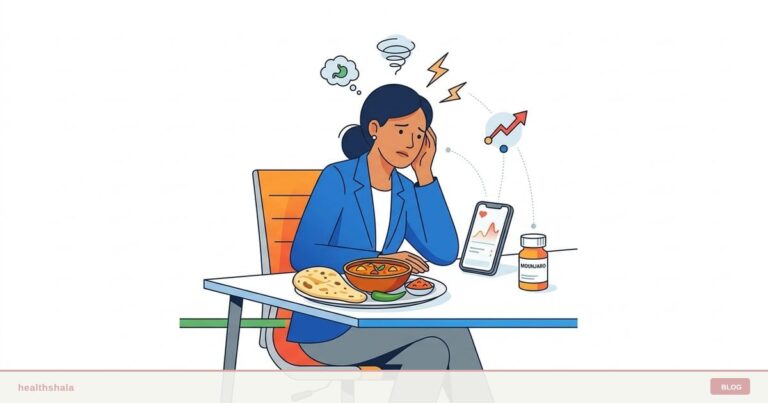
Nausea hit Priya on day 3 of her first Ozempic injection. She forced down plain khichdi, skipped dinner entirely, and woke up the next morning terrified she’d just burned through muscle mass because she barely hit 15g protein. Her endocrinologist had said “eat healthy, avoid fried foods”. useless advice when your stomach feels like a war zone and every food decision becomes a minefield of side effects versus muscle protection.
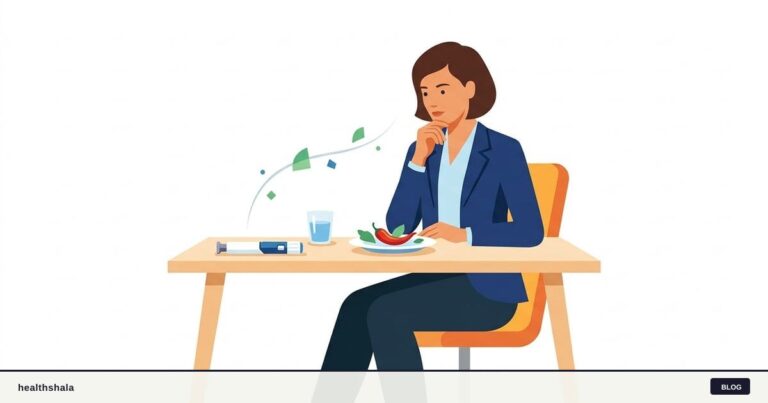
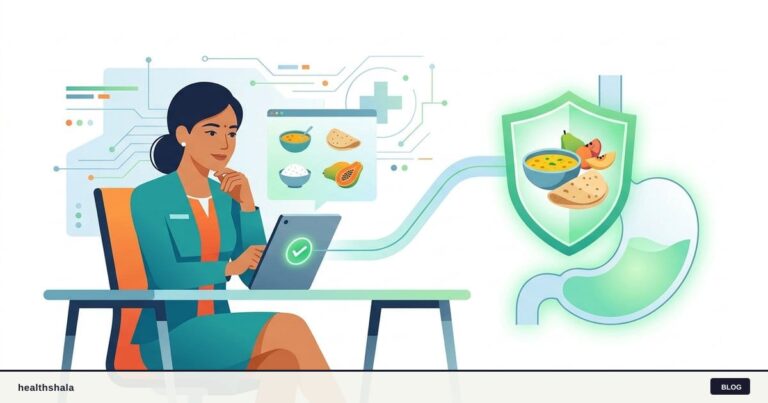
The best foods to eat on Ozempic to avoid side effects are low-fat protein sources (egg whites, grilled fish, moong dal), bland starches (plain rice, toast, idli), and cooked non-starchy vegetables (lauki, turai, carrots). Avoid high-fat foods, raw vegetables, and large portions. all three worsen nausea and slow gastric emptying, which Ozempic already delays.
Why Most “Ozempic Diet” Advice Fails Indian GLP-1 Users
Western nutrition guides recommend “lean chicken breast” and “Greek yogurt” when you’re navigating nausea.
You’re eating rajma, dal, paneer, and homemade rotis.
The disconnect isn’t just cultural. it’s operationally useless. When registered dietitians recommend high-fiber foods during GLP-1 therapy, they’re optimizing for blood sugar control and satiety. But they’re not accounting for injection day +2 when your stomach can’t handle a fiber-heavy rajma bowl without triggering reflux that lasts until midnight.
The Indian GLP-1 nutrition gap exists between prescription and reality. Doctors prescribe semaglutide for weight loss. Nobody translates “avoid fatty foods” into “skip the tadka on your dal today” or “choose bhurji made with egg whites, not whole eggs fried in ghee.”
The real challenge: side effect management competes with muscle protection. Ozempic slows gastric emptying. food sits in your stomach longer, creating nausea, bloating, reflux. But you still need 1.6g protein per kg bodyweight daily to protect lean mass during rapid weight loss. Bland, low-fat foods minimize side effects. Protein-dense foods protect muscle. You’re trying to thread both needles simultaneously with a suppressed appetite.
The Science Behind GLP-1 Side Effects and Food Choices
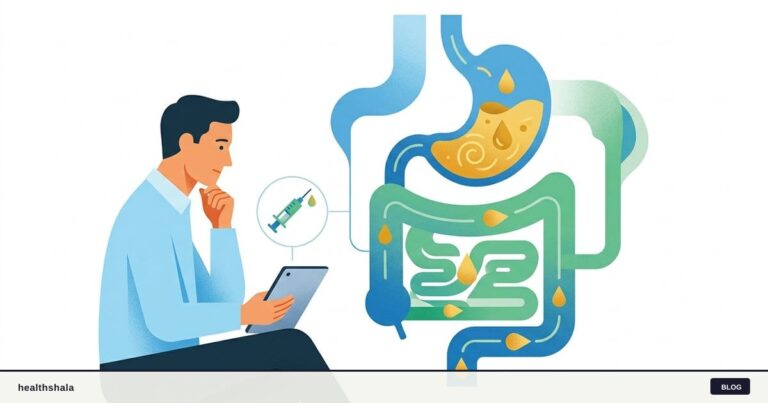
Ozempic works by mimicking GLP-1, a hormone that slows how quickly your stomach empties.
This is pharmacologically intentional. Delayed gastric emptying increases satiety and reduces blood sugar spikes. It’s why the drug works. It’s also why high-fat foods become intolerable. they sit in your stomach for hours, creating that heavy, nauseated feeling that makes you regret eating entirely.
Research shows foods high in fat can worsen Ozempic side effects because they compound the drug’s gastric delay mechanism. One samosa on injection day 3 can trigger 6+ hours of discomfort.
Indian cooking’s reliance on tadka (oil-based tempering), ghee-based preparations, and deep-fried snacks creates specific landmines:
- Dal tadka: 8-12g fat per katori from the oil/ghee tempering
- Paneer sabzi: 15-20g fat per serving when cooked traditional style
- 2 parathas: 18-24g fat depending on ghee application
- Pakoras, samosas, vadas: 12-18g fat per piece from deep frying
The IFCT 2017 (Indian Food Composition Tables) data reveals what most GLP-1 users discover through painful trial and error: the “healthy home food” they’ve eaten their whole lives becomes problematic when gastric emptying slows to a crawl. Not because it’s unhealthy. because the medication changes how your digestive system processes fat and fiber.
Your stomach is now processing food at 30-40% normal speed. Every food choice is either working with that reality or fighting it.
Indian-Specific Foods That Minimize Ozempic Side Effects
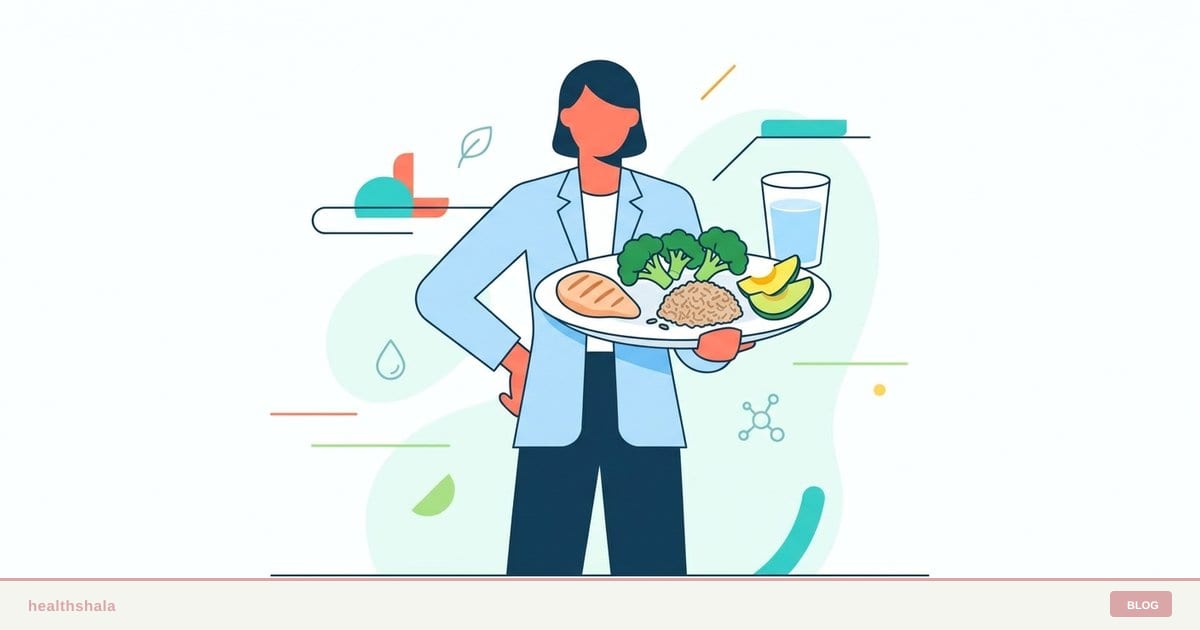
The goal: maximize protein intake while keeping fat below 8-10g per meal and choosing easily digestible preparations.
Protein Sources That Work on Bad Days
Egg whites (bhurji or boiled): 4g protein per white, virtually zero fat. Make bhurji with 3-4 whites, minimal oil, add tomatoes and onions for palatability. This is your injection day +2 breakfast when nothing sounds good but you need muscle protection.
Moong dal (plain pressure-cooked): Skip the tadka entirely on bad days. 1 katori plain moong dal delivers 12-14g protein with 1-2g fat. Add salt, lemon, maybe ginger for digestion. It’s bland enough to stay down, protein-dense enough to matter.
Grilled fish (pomfret, rawas, surmai): 20-24g protein per 100g serving when grilled or steamed. Zero added fat. Season with salt, pepper, lemon. The texture is easier to stomach than chicken when you’re nauseated.
Low-fat paneer: Not the regular full-fat version. specifically low-fat paneer shows 18g protein, 5g fat per 100g versus regular paneer’s 18g protein, 20g fat. Make a simple bhurji or add to clear vegetable soup.
Carbohydrates That Don’t Trigger Reflux
Plain white rice (not biryani, not pulao): A balanced diet during Ozempic includes whole grains, but on peak nausea days, white rice is your friend. Easily digestible, settles the stomach, pairs with dal or grilled protein.
Idli (steamed, not fried): 2 idlis provide gentle carbs, minimal fat when steamed properly. Skip the coconut chutney on bad days. use sambhar made without excessive oil instead.
Toast (whole wheat or white): 1-2 slices, dry or with minimal butter. When nothing sounds good, toast + boiled egg whites is a muscle-safe survival meal.
Vegetables That Aid Digestion Without Bulk
Cooked lauki (bottle gourd): Extremely gentle on the stomach, high water content, minimal fiber bulk. Make a simple lauki dal or lauki sabzi with minimal oil.
Steamed carrots, beans, turai (ridge gourd): Cook until very soft. Ozempic delays gastric emptying significantly, so raw or crunchy vegetables can feel like they’re sitting in your stomach for hours. Soft-cooked vegetables move through more smoothly.
Avoid raw salads on injection days 1-4: The same fiber that’s healthy on normal days becomes uncomfortable bulk when your stomach is processing everything slowly.
Bad Day Mode: When Side Effects Peak (Days 2-4 Post-Injection)
Peak nausea hits 48-72 hours after injection for most users.
This is when “eat 30g protein per meal” advice becomes laughable. Your stomach rebels against the thought of food. But skipping meals entirely means losing muscle mass you can’t afford to sacrifice.
Survival mode strategy:
- Breakfast: 3 egg white bhurji + 1 slice toast (18g protein, 6g fat)
- Mid-morning: 1 glass chaas (buttermilk, not full-fat lassi). 4g protein, aids digestion
- Lunch: 1 katori plain moong dal + ½ katori plain rice (14g protein, 2g fat)
- Evening: 1 small bowl curd (not full-fat). 6g protein, probiotic benefit
- Dinner: 100g grilled fish + steamed lauki (22g protein, 4g fat)
Total: 64g protein, 16g fat across 5 small meals. Not optimal. but muscle-safe when optimal isn’t possible.
The Indian GLP-1 reality: you’re not “failing” because you can’t stomach rajma-chawal on injection day +3. You’re succeeding by finding the minimum viable protein intake that keeps your muscle protection score green while your stomach recovers.
Bad days aren’t about hitting perfect macros. They’re about hitting minimum viable protein without triggering 6 hours of nausea that makes you skip the next two meals entirely.
Foods That Absolutely Trigger Side Effects (Learn From Others’ Mistakes)
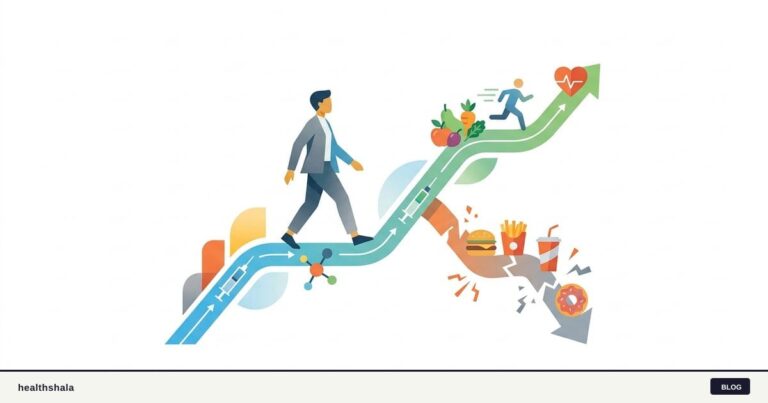
Deep-fried foods of any kind: Pakoras, samosas, vadas, bhajias, fried chicken, fried fish. The 15-20g fat per serving sits in your slowed stomach like a brick. One pakora on injection day 2 can ruin your entire evening.
Full-fat paneer preparations: Paneer butter masala, paneer tikka with cream, shahi paneer. You’re looking at 25-30g fat per serving before the naan/roti. Nutritional priorities during GLP-1 therapy emphasize lean proteins, not cream-based preparations.
Oily tadka/tempering: The 2 tablespoons of ghee or oil in dal tadka, the tadka on sambhar, the oil in any sabzi. On good days (injection day +5-7), moderate amounts are fine. On bad days, even 1 tablespoon of oil in your food can trigger reflux.
Spicy gravies and curries: Not because of the protein source. because of the fat and spice combination. Chicken curry, mutton curry, fish curry made traditional style all carry 12-18g fat per serving from oil/coconut milk, plus spices that irritate an already-sensitive stomach.
Carbonated drinks: The bloating you feel normally? Multiply it 3x when your stomach is emptying slowly. Skip the Thums Up, even diet versions.
Large portions of anything: Even safe foods become problematic in normal serving sizes. Your pre-Ozempic “1.5 katori dal + 3 rotis” lunch is now too much volume. Shrink portions by 30-40%, eat more frequently.
The Muscle Protection Math: Why “Avoid Side Effects” Can’t Mean “Skip Protein”
Here’s where most Indian GLP-1 users make the critical error.
They successfully avoid side effects by eating plain toast, khichdi, bananas, chai. Stomach feels fine. Weight drops steadily. But at 3 months, they’ve lost 8kg. 3kg of that is muscle mass. Their doctor sees success. They see loose skin and weakness.
The data is clear: during rapid weight loss (1-2kg/month), inadequate protein intake shifts the ratio toward muscle loss. You need 1.6g protein per kg current bodyweight to preserve lean mass. For a 70kg person, that’s 112g protein daily. every single day, even on bad days.
Healthshala’s fundamental premise: muscle protection isn’t negotiable. Side effect management can’t come at the cost of becoming skinny-fat. The solution isn’t choosing between comfort and muscle. it’s learning which Indian foods deliver high protein, low fat, easy digestion simultaneously.
The operational translation:
- On good days (injection day 5-7): hit 30g protein per meal through normal foods. rajma, chicken, eggs, paneer
- On medium days (injection day 1, day 8+): aim for 25g protein per meal using low-fat preparations
- On bad days (injection day 2-4): survival mode. 15-20g protein per meal using bland, safe sources, but eat 4-5 small meals to hit daily minimums
The weekly protein average matters more than daily perfection. If bad days force you to 70g protein, good days need to compensate with 130g. The muscle loss happens when every day becomes a bad day and you stop tracking entirely.
Track Your Muscle Protection Score Daily
Healthshala translates Indian food portions into muscle-safe nutrition. designed specifically for GLP-1 users eating home food.
Frequently Asked Questions
Can I eat dal-chawal while on Ozempic?
Yes, but modify preparation. Use plain dal (no tadka) or minimal oil tadka on injection days 1-4. Reduce portion to 1 katori dal + ½ katori rice instead of normal serving size. Plain moong dal or masoor dal work better than heavier rajma or chole during peak nausea days. On good days (day 5+), normal dal-chawal with moderate tadka is fine.
Why does paneer cause nausea on Ozempic when it never did before?
Regular full-fat paneer contains 20g fat per 100g serving. Ozempic slows gastric emptying significantly. high-fat foods sit in your stomach 2-3x longer than normal, creating prolonged nausea and reflux. Switch to low-fat paneer (5g fat per 100g) or reduce portion size to 50g instead of 100g. Avoid cream-based paneer preparations entirely during the first 4 days post-injection.
What should I eat for breakfast on injection day when I’m extremely nauseated?
Egg white bhurji (3-4 whites, minimal oil) + 1 slice toast delivers 18-20g protein with under 6g fat. muscle-protective without triggering nausea. Alternative: 1 glass chaas + 1 small bowl plain curd + 1 idli provides 15g protein. Avoid: parathas, poha with peanuts, upma with ghee, full eggs fried in oil. all too fatty for peak nausea days.
How much protein is too little during Ozempic weight loss?
Below 1.2g per kg bodyweight daily, you risk significant muscle loss during rapid weight loss. For a 70kg person, that’s minimum 84g protein daily. Consistently hitting only 50-60g protein means 30-40% of your weight loss will come from muscle, not fat. Even on bad nausea days, aim for 15-20g protein per meal across 4-5 small meals to hit daily minimums.
Should I avoid all fried foods permanently on Ozempic?
No. strategically avoid them during peak nausea windows (injection days 1-4). On good days (day 5-7 post-injection), small amounts of fried foods may be tolerable if you’re meeting protein targets. However, deep-fried foods (pakoras, samosas) remain high-risk even on good days. the 15-20g fat per serving can trigger delayed discomfort. Air-fried alternatives or baked versions reduce fat by 60-70%.
Can I eat normal Indian food after the first month on Ozempic?
Tolerance improves but gastric emptying remains slowed throughout treatment. After 4-6 weeks, most users can handle moderate-fat Indian preparations (dal with tadka, non-creamy paneer dishes, grilled/tandoori chicken) without severe nausea. However, deep-fried foods, very spicy curries, and large portions continue to cause issues. The key is learning your personal tolerance through weekly injection cycles. what’s tolerable on day 6 may not be on day 2.