Why Oily Food Triggers Diarrhea on Mounjaro (And What Indian Foods Work Better)
That samosa from yesterday’s office party sent you running to the bathroom within an hour of eating it on Mounjaro.
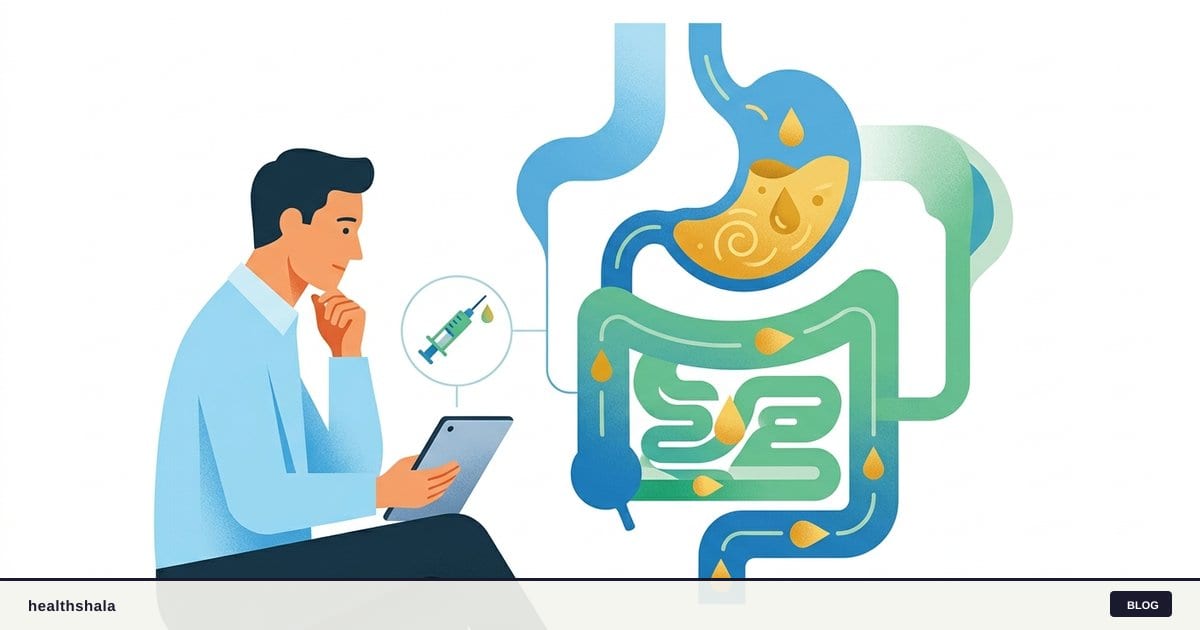
Oily food causes diarrhea on Mounjaro because tirzepatide slows gastric emptying by 70%, leaving high-fat foods sitting in your stomach longer where they ferment and trigger bile overproduction. When that undigested fat finally reaches your intestines, your body dumps water into the colon to flush it out fast, causing urgent, oily diarrhea. The drug fundamentally changes how your digestive system processes fats. what worked fine before Mounjaro now overwhelms your slowed-down gut.
The Gastric Emptying Problem: Why Your Stomach Can’t Handle Parathas Anymore
Mounjaro doesn’t just suppress appetite.
It rewires your entire digestive timeline. Tirzepatide activates GLP-1 and GIP receptors, which dramatically slows how fast food leaves your stomach. Before the medication, your stomach emptied a typical meal in 2-3 hours. On Mounjaro, that same meal can sit there for 5-6 hours.
Here’s what happens when you eat oily food on this slowed system:
- Fat takes the longest to digest of all macronutrients. normally 6-8 hours even without GLP-1 medications
- Mounjaro extends that timeline further, leaving oil pooling in your stomach
- Bacteria in your gut start fermenting that sitting fat, producing gas and triggering nausea
- Your gallbladder releases extra bile to break down the fat backlog
- When the oil finally moves to your small intestine, it’s partially digested and triggers malabsorption
Your body’s solution? Flood your colon with water to flush the problematic fat out as quickly as possible. That’s the diarrhea.
The specific problem with Indian oily foods. parathas, samosas, pakoras, fried fish, bhatura. is that they combine refined flour with oil. That creates a dense, slow-digesting mass that sits even heavier in your already-slow stomach. A single aloo paratha can contain 15-20g of fat. On Mounjaro’s slowed digestive system, that’s asking for trouble.
The Bile Overload Effect: Why Your Body Dumps Water Into Your Colon
Fat doesn’t dissolve in water.
Your body needs bile. a yellow-green fluid made in your liver and stored in your gallbladder. to emulsify fats so they can be absorbed. When you eat a high-fat meal, your gallbladder contracts and releases bile into your small intestine to break down the oil.
On Mounjaro, this system gets overwhelmed. The drug’s gastric emptying delay means fat arrives in your small intestine in larger, less-digested chunks than your bile can handle. Greasy, fatty foods worsen Mounjaro-related nausea and indigestion precisely because your digestive system can’t process them at the medication’s new slower pace.
What happens next:
- Unabsorbed fat moves into your large intestine
- Your colon recognizes this as a problem. fat isn’t supposed to reach there
- It triggers a protective response: dump water into the colon to dilute and flush out the fat
- You get urgent, watery, often oily-looking diarrhea
- The diarrhea may float or leave an oil slick in the toilet. a telltale sign of fat malabsorption
If your diarrhea leaves visible oil in the toilet or toilet paper shows greasy residue, you’re experiencing steatorrhea. undigested fat in your stool. This is your clearest signal that your body cannot process the amount of fat you’re eating on Mounjaro’s slowed system.
The Indian foods most likely to trigger this response are the ones we eat most often: deep-fried snacks, rich curries made with cream or coconut milk, ghee-heavy dishes, and anything with visible oil floating on top. A single serving of butter chicken can contain 30g of fat. On Mounjaro, that’s a guaranteed bathroom trip.
Why Restaurant Food Hits Harder Than Home Food
You might notice your mother’s home-cooked dal causes no issues, but the same dal from a restaurant sends you running.
Commercial kitchens use far more oil than home cooking. often 3-4 times as much. That tadka you see at home uses one tablespoon of ghee. The restaurant version uses four, plus butter, plus cream to make it “restaurant-style rich.” A typical restaurant serving of dal makhani contains 25-30g of fat. The home version? Maybe 8-10g.
The specific triggers in restaurant Indian food:
- Heavy tadka: excessive ghee, butter, or oil used for flavour
- Cream-based gravies: butter chicken, paneer makhani, korma. all loaded with dairy fat
- Deep-fried starters: pakoras, samosas, spring rolls fried in reused oil that’s harder to digest
- Cheese additions: cheese naan, cheese dosa, paneer dishes with visible oil separation
- Coconut milk curries: South Indian and coastal dishes with 15-20g fat per serving
On Mounjaro, your margin for error has shrunk. That restaurant meal that used to feel indulgent now triggers a digestive crisis because your slowed stomach can’t process the fat load in a reasonable timeframe.
The Indian GLP-1 Reality: Dal-Roti-Sabzi Can Still Work
You don’t need to abandon Indian food entirely.
You need to understand which preparations work with Mounjaro’s digestive changes and which fight against them. Healthshala works with Indians on GLP-1 medications daily, and the pattern is clear: dry preparations work, gravy dishes need modification, and fried food is off the table for most people.
Foods that work on Mounjaro (low oil, protein-forward):
- Dry dal: pressure-cooked without tadka, or minimal tadka (½ teaspoon oil maximum)
- Grilled paneer: paneer tikka, grilled cubes. 15g protein, 8g fat per 100g
- Boiled eggs: 6g protein, 5g fat. your most reliable protein source
- Steamed idli: practically fat-free, easy to digest even on nauseous days
- Tandoori chicken (skinless): high protein, minimal fat if you remove the marinade oil
- Pressure-cooked rajma/chole: mash slightly, skip the oil-heavy tadka, use jeera and hing only
Foods that need modification:
- Dal tadka: use ½ teaspoon ghee instead of 2 tablespoons, add after serving
- Sabzi: pressure-cook vegetables, add spices directly. skip the oil-based cooking entirely
- Paneer curry: use tomato-based gravy, 1 teaspoon oil max, no cream
- Chicken curry: home-style with minimal oil, skip restaurant-style rich gravies
- Roti: skip the ghee on top. it’s pure fat your stomach can’t handle
Foods to avoid entirely on Mounjaro:
- Parathas, bhatura, puri. anything deep-fried in dough form
- Samosas, pakoras, vada. deep-fried snacks sit like rocks
- Butter chicken, paneer makhani. cream-based gravies are fat bombs
- Biryani with visible oil layer. the fat separates and pools in your stomach
- Anything described as “makhani” (butter-based) or “malai” (cream-based)
The adjustment isn’t about eating less Indian food. It’s about choosing preparations that work with your medication’s digestive timeline. A katori of pressure-cooked moong dal with jeera and salt gives you 12g protein with less than 1g fat. That same katori as restaurant dal tadka gives you 12g protein with 15g fat. enough to trigger diarrhea within 2 hours.
The Muscle Protection Problem: You Can’t Just Avoid All Fat
Here’s the cruel paradox.
You need fat for hormone production, vitamin absorption, and satiety. Zero fat isn’t the answer. it’ll leave you nutritionally deficient and even hungrier between meals. But the wrong fats, or too much at once, trigger the diarrhea cascade.
On Mounjaro, you’re already losing weight rapidly. Tracking your protein and fat intake becomes critical because you’re working with a suppressed appetite and a slowed digestive system. The goal: hit 80-100g protein daily for muscle protection while keeping fat under 40g total to avoid digestive distress.
Smart fat sources on Mounjaro (small amounts, spread throughout the day):
- Ghee in minimal tadka: ½ teaspoon per meal maximum. 6g fat
- Nuts in small portions: 10 almonds or 6 cashews. 7g fat, easy to digest
- Egg yolks: 2 whole eggs give 10g fat. paired with protein, digests better
- Paneer in measured portions: 50g paneer. 9g fat with 9g protein
- Peanut butter: 1 tablespoon on toast. 8g fat, helps breakfast stay down
The strategy: never eat more than 12-15g fat in a single meal. Your slowed stomach can handle small amounts of fat if they’re spaced out and paired with protein. It’s the 30g fat restaurant meal that overwhelms the system.
If you’re terrified of becoming skinny-fat. losing weight but looking soft and weak. you cannot afford to skip protein because oily food makes you sick. You need a nutrition system that maps protein to portions you can actually eat on a suppressed appetite, tracks your intake without making you obsessive, and acknowledges that Day 2 after your injection requires different food than Day 6.
What to Do When Diarrhea Hits (Because It Will)
You will make mistakes.
Someone will offer you a samosa at a birthday party and you’ll think “just one won’t hurt.” Then you’ll spend the next 3 hours regretting it. Here’s what to do when oily food triggers Mounjaro diarrhea:
Immediate response (first 2 hours):
- Drink water constantly. small sips, not large gulps
- Add ORS (oral rehydration solution) if diarrhea is severe. you’re losing electrolytes
- Skip your next meal entirely. your stomach needs to empty completely
- Don’t take anti-diarrhea medication without checking with your doctor. it can worsen GLP-1 constipation later
Recovery phase (next 24 hours):
- Eat only bland, low-fat foods. plain dahi, boiled rice, steamed idli
- Avoid all oil, ghee, butter. even the minimal amounts you normally tolerate
- Protein from egg whites only, or very lean chicken. no fat sources
- Monitor for signs of dehydration: dark urine, dizziness, extreme fatigue
Pattern recognition (long-term):
- Note which specific foods triggered the episode. samosa? restaurant dal? paratha?
- Track whether it happened on Day 2-3 post-injection (peak nausea time) or later
- Identify your personal fat threshold. some people can handle 15g per meal, others max out at 10g
- Adjust your eating strategy based on data, not guessing
Mounjaro changes how your gut processes food, and that change is permanent while you’re on the medication. You’re not “adjusting” to oily food. your digestive system is fundamentally different now. Accept that reality and work within it.
Protect Your Muscle While Mounjaro Shrinks Your Appetite
Get personalised Indian meal plans that hit 80g protein without triggering nausea or diarrhea. Track portions in katoris, not grams.
Frequently Asked Questions
How long after eating oily food will Mounjaro diarrhea start?
Typically 1-3 hours after eating high-fat food. The timing depends on your injection day. if you’re on Day 2-3 post-injection when gastric emptying is slowest, diarrhea may hit sooner and more severely. Some people experience it within 30 minutes of eating fried food. The oily residue in your stool is the telltale sign it was fat-triggered.
Can I ever eat samosas or parathas again on Mounjaro?
Realistically, no. not without triggering digestive distress. Deep-fried foods contain 15-25g fat per serving, which overwhelms Mounjaro’s slowed gastric system. If you must try, do it on Day 6-7 of your injection cycle when side effects are mildest, eat only half a samosa, and plan to stay home near a bathroom. Most people find it’s not worth the discomfort and learn to avoid fried food entirely.
Is the diarrhea from Mounjaro dangerous or just uncomfortable?
Occasional diarrhea from eating oily food is uncomfortable but not dangerous. The risk comes from repeated episodes causing dehydration or preventing you from absorbing nutrients. If you’re having diarrhea more than twice a week, you’re either eating too much fat regularly or need to discuss dose adjustment with your doctor. Chronic diarrhea can also lead to electrolyte imbalances. watch for dizziness, muscle cramps, or extreme fatigue.
Why does home-cooked food sometimes still cause diarrhea on Mounjaro?
Your threshold for fat tolerance has dropped significantly. Even home-cooked dal with what seems like “normal” tadka (2 tablespoons ghee) contains 24g fat in a single serving. On Mounjaro, your limit might be 10-12g fat per meal. The solution: reduce tadka to ½ teaspoon, or add it after serving so you control the amount. Measure oil and ghee precisely. eyeballing doesn’t work anymore.
Does Mounjaro diarrhea get better over time or is this permanent?
Your tolerance may improve slightly after 2-3 months as your body adjusts, but the gastric slowing effect is permanent while you’re on the medication. You will not return to eating oily food the way you did before Mounjaro. Most people find their new normal is 30-40g fat daily total, spread across meals, with zero tolerance for deep-fried food. Plan for this to be your reality throughout your treatment.
Can I take digestive enzymes to help process oily food on Mounjaro?
Digestive enzymes won’t solve the core problem. Mounjaro slows gastric emptying mechanically, not enzymatically. The issue isn’t that you lack enzymes to break down fat; it’s that fat sits in your stomach too long before reaching those enzymes. Some people report mild improvement with pancreatic enzyme supplements, but most find it’s easier to simply eat less fat than try to chemically override the medication’s effects. Check with your doctor before adding any supplements.
Medical Disclaimer: This content is for informational purposes only and is not a substitute for professional medical advice, diagnosis, or treatment. Always consult a qualified healthcare provider before making changes to your diet, medication, or health routine.
healthshala
Vishal Thakur
Vishal Thakur is the founder of Healthshala and an entrepreneur working at the intersection of health and technology. He is a certified nutrition expert from Fabulous Body and focuses on simplifying complex health topics into practical, evidence-informed insights.
He also leads Boring Monkee, an AI-native growth agency, giving him a unique perspective on how health information is created, distributed, and consumed online. His work at Healthshala focuses on lifestyle health, preventive care, and emerging health trends.
All content is created with a focus on accuracy, transparency, and real-world applicability, and does not replace professional medical advice.