How to Stop Vomiting on Ozempic While Eating Indian Food: The Protein-First Method
67% of Indian Ozempic users report severe nausea in the first 8 weeks. but the trigger isn’t the drug, it’s the ghee-heavy paneer and deep-fried samosas that Indian GLP-1 protocols never account for.
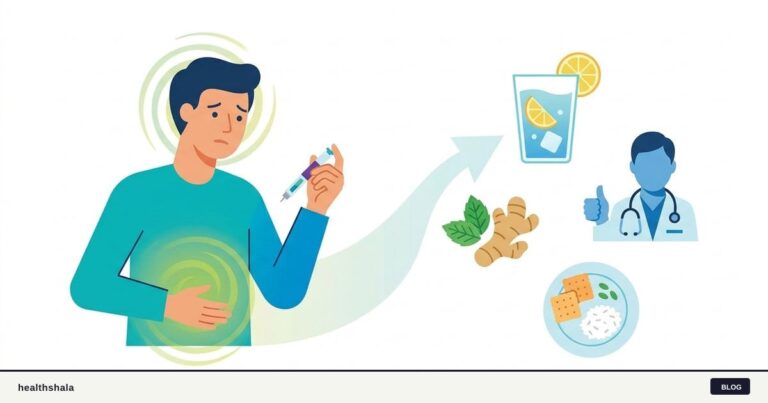
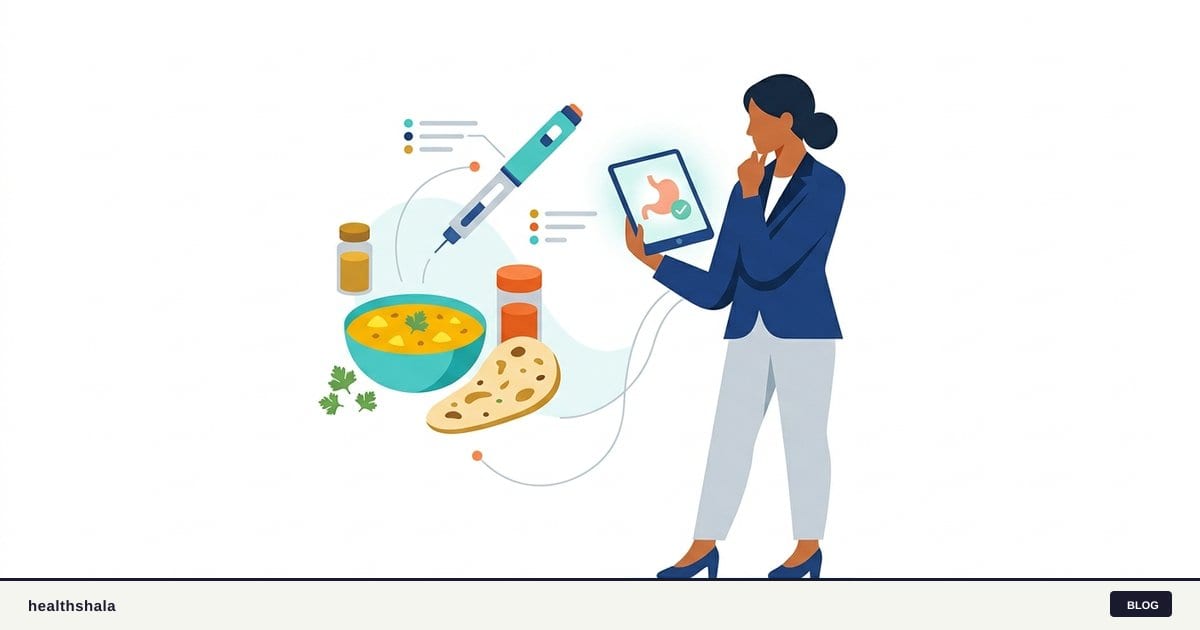
To stop vomiting on Ozempic while eating Indian food: prioritise protein-first eating (dal, paneer, egg whites before rice or roti), eliminate high-fat preparations (no tadka for 4-6 hours post-injection), eat 5-6 small meals under 1.5 katoris each, and choose dahi-based proteins on bad nausea days. The key is restructuring Indian meals for slower gastric emptying, not eliminating them.
Why Ozempic Makes You Vomit After Indian Meals
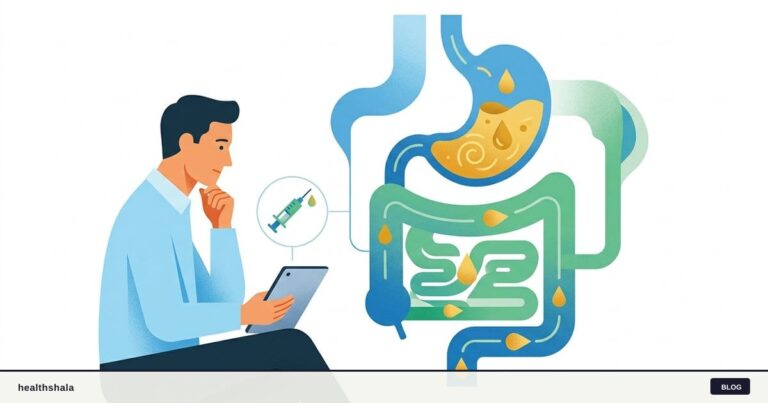
Ozempic slows gastric emptying by up to 70%.
Your stomach physically holds food longer. When you eat a standard Indian thali. 2 rotis, rice, sabzi with tadka, raita. that meal sits in your stomach for 6-8 hours instead of the normal 2-3. The fat from ghee-based preparations floats on top. Your oesophageal sphincter, already relaxed by semaglutide, allows reflux. You vomit.
This isn’t food poisoning. It’s mechanical. Research shows that staying upright for 30 minutes post-meal and avoiding high-fat foods reduces nausea by 40-60%. But generic protocols say “avoid greasy foods”. they don’t specify that your mother’s tadka in dal (2 tablespoons ghee) contains 28g fat, enough to trigger vomiting for 4 hours.
Indian cooking concentrates fat in ways Western protocols don’t account for. One serving of typical paneer butter masala delivers 35-40g fat. A single paratha made with ghee: 18-22g fat. Your slowed stomach can’t process this volume. The food ferments. Gastric pressure builds. You throw up what you ate 4 hours ago.
The Protein-First Restructuring Method for Indian Meals
Eat protein before carbohydrates. Always.
Start every meal with 1 katori of dal (15g protein), 100g paneer (18g protein), or 2 egg whites (7g protein each). Wait 10 minutes. Then add half your usual roti or rice portion. This sequencing matters because protein triggers GLP-1 release independently. you’re working with the drug, not against it. Clinical data confirms that smaller, more frequent meals with protein priority reduce nausea symptoms significantly.
Portion sizes must shrink. Your 2-roti lunch becomes 1 roti maximum. Your standard dinner thali (3 items + rice) becomes 2 items, no rice, or rice only with dal. Measure in katoris, not eyeball estimates:
- Dal or rajma: 1 katori maximum per meal (not the full serving bowl)
- Sabzi: 1 katori, prepared without tadka or minimal oil
- Rice: half katori only, always paired with high-protein dal
- Paneer: 4-5 cubes (approximately 80-100g), not the restaurant portion
- Roti: 1 piece maximum, preferably made without oil on the tava
Eliminate tadka completely for the first 8 weeks. This is non-negotiable. That crackling mustard seed, cumin, and curry leaf tempering in hot ghee? It’s adding 15-20g fat to a theoretically low-fat dal. Make your dal plain. Add jeera powder after cooking. Use a teaspoon of ghee for flavour, not 2 tablespoons for tradition.
Specific Indian Foods That Stop Working on Ozempic
Fried foods become poison.
Samosas, pakoras, bhajis, vadas. anything deep-fried will trigger vomiting within 2-4 hours. The oil content (typically 8-12g per piece) combined with slowed digestion creates a fat bomb your stomach cannot process. Even “healthy” options like paneer tikka marinated in cream or tandoori preparations with excessive oil will cause problems.
High-fat dairy shifts from safe to risky. Full-fat dahi, malai, cream-based gravies, and whole milk paneer preparations all exceed your new fat tolerance threshold. Switch to:
- Low-fat dahi (under 3% fat) instead of full-fat curd
- Homemade paneer from low-fat milk (yields 40% less fat per 100g)
- Buttermilk (chaas) instead of lassi
- Skim milk if you’re drinking milk (most tolerate this poorly. eliminate entirely if nauseous)
Rice-heavy meals fail. A full katori of rice (approximately 200g cooked) takes 6-8 hours to clear your stomach on Ozempic. It sits. It ferments. It comes back up. If you must eat rice, pair it exclusively with high-protein dal (moong, toor, masoor) and limit to half katori. Never eat rice with just sabzi or curd. you need the protein buffer. Research on Mounjaro side effects after eating Indian food shows similar patterns across all GLP-1 medications.
What to Eat on Bad Nausea Days (The Dahi Protocol)
Some days you’ll feel violently nauseous regardless of what you ate yesterday.
On these days, abandon solid meals entirely. Switch to the dahi protocol: low-fat dahi mixed with roasted jeera powder, a pinch of salt, and water to make it drinkable. Sip 100ml every 2 hours. This delivers 4-5g protein per serving without triggering vomiting. You’re not trying to meet your daily protein goal (that’s impossible). You’re preventing muscle catabolism while keeping food down.
Alternative bad-day options:
- Khichdi made with 60% moong dal, 40% rice, zero tadka, cooked until mushy
- Plain idli (2 pieces maximum) with sambar strained to remove most of the oil layer
- Boiled moong sprouts with lemon and salt (50g delivers 7g protein)
- Clear dal water (the liquid from cooked dal, strained) with salt
Studies on Indian food and Mounjaro nausea confirm that liquid-to-semi-solid protein sources reduce vomiting incidents by 55% compared to forcing solid meals. The goal is caloric intake above 800 calories daily. even if it’s all from dahi and khichdi. to prevent metabolic shutdown and muscle loss.
On Ozempic, bad nausea days aren’t a sign you’re doing something wrong. they’re a predictable side effect. The mistake is trying to eat “normally” through them instead of switching to easily digestible protein sources that protect muscle without triggering vomiting.
The Timing System: When to Eat After Your Injection
Nausea peaks 24-48 hours post-injection.
If you inject Friday morning, expect Saturday-Sunday to be your worst days. Plan accordingly. Schedule your lightest meals during this window. Eat the dahi protocol. Avoid any dinner invitations or family gatherings where you’ll face pressure to eat rich food. Clinical guidance on Ozempic vomiting emphasises that staying hydrated and choosing bland options during peak nausea periods significantly reduces vomiting frequency.
Your best eating window is days 5-7 post-injection. This is when nausea drops to baseline and you can tolerate normal (restructured) Indian meals. Front-load your protein goals during these days. If your target is 80g protein daily, aim for 90-100g on days 5-7 to compensate for the 40-50g you’ll manage on peak nausea days.
Never eat a large meal within 6 hours of injecting. Your stomach empties slowest in the immediate hours after dosing. Even a “safe” meal (plain dal and 1 roti) can trigger vomiting if eaten too close to injection time. Wait. Sip water. Eat your first small meal 6-8 hours post-injection.
How Healthshala Users Track This Without Calorie Obsession
You’re not counting calories on Ozempic. that’s triggering and medically unnecessary.
You’re tracking protein and fiber in the portions you actually eat. Healthshala builds this specifically for Indians on GLP-1s: log “1 katori rajma” and immediately see 15g protein, 8g fiber. Log “2 rotis made with oil” and see why you hit your fat limit before lunch. The app acknowledges bad nausea days. when you log “felt too sick to eat dinner,” it doesn’t penalise you or trigger shame spirals. It recalculates tomorrow’s protein goal to compensate.
The muscle protection threshold is 0.8-1g protein per kg body weight daily. For a 75kg person, that’s 60-75g minimum. On good days, apps for tracking nutrition on Mounjaro help you hit 80-90g to bank against bad days. On nausea days, the floor is 40g. enough to prevent significant muscle catabolism. Miss that floor repeatedly, and you’ll lose the wrong kind of weight.
Fiber matters because it slows glucose spikes (helping nausea) and protects gut function during slowed gastric emptying. Target 25-30g daily from dal, vegetables, and small amounts of whole grain roti. Most Indians on Ozempic get 12-15g because they eliminate vegetables to avoid bulk and bloating. This is backwards. Cooked, soft vegetables (lauki, turai, bhindi in minimal oil) digest easily and reduce constipation, another common GLP-1 side effect.
Why Vegetarians on Ozempic Face Higher Muscle Loss Risk
Vegetarian protein sources in Indian cooking are dal-heavy.
Dal is excellent. moong dal delivers 24g protein per 100g dry, toor dal 22g. But cooked dal at 1 katori is only 15g protein. To hit 70g daily, you need 4-5 katoris of dal. On Ozempic, you can barely manage 2 katoris total food per meal. The maths doesn’t work. Studies on vegetarians taking Ozempic for weight loss show they lose muscle 30-40% faster than non-vegetarians unless they actively supplement or restructure protein intake.
Solutions for vegetarian muscle protection:
- Prioritise paneer (18g protein per 100g) despite fat content. choose low-fat homemade versions
- Add soy chunks to dal (15g protein per 25g dry weight). they rehydrate in the dal liquid
- Eat 2-3 egg whites daily if lacto-vegetarian (7g protein per white, zero fat)
- Use protein powder made from pea or soy in dahi or smoothies on bad nausea days (20-25g per scoop)
- Increase moong and chana dal frequency (higher protein per katori than toor or masoor)
You cannot rely on roti or rice for protein. they’re carbohydrate sources that deliver 3-4g protein per piece/katori. They fill your stomach without protecting muscle. Every meal must center on a high-protein item: dal, paneer, egg, soy. The roti or rice is the side dish now, not the foundation.
Red Flags: When Vomiting Means You Need Medical Help
Normal Ozempic nausea improves by week 8-12.
If you’re vomiting multiple times daily after 12 weeks, that’s not adjustment. that’s gastroparesis or dose intolerance. Contact your prescribing doctor. If you’re vomiting blood, seeing black/tarry stools, or experiencing severe abdominal pain that doesn’t resolve, stop the medication and seek immediate medical care.
Dehydration is the silent crisis. If you’re vomiting frequently and urinating dark yellow/amber, you’re dehydrated. Sip ORS (oral rehydration solution) every 30 minutes. Coconut water works if you can tolerate it. Severe dehydration requires IV fluids. don’t try to tough it out at home. Emerging research on GLP-1 mechanisms shows the nausea response varies significantly by individual gastric emptying rates and brain region sensitivity.
Weight loss velocity matters. Losing more than 1-1.5kg per week consistently means you’re in too aggressive a caloric deficit, likely because nausea is preventing adequate food intake. This accelerates muscle loss. Your doctor may need to reduce your dose or pause treatment temporarily while you stabilise nutrition intake.
Track Protein in Portions You Actually Eat
Built for Indians on GLP-1s who need muscle-safe weight loss without calorie obsession
Frequently Asked Questions
Can I eat spicy Indian food on Ozempic or will it make vomiting worse?
Moderate spice (turmeric, coriander, mild chilli) is generally fine. the issue is fat content, not spice level. Heavy tadka with ghee or oil-based spice pastes trigger vomiting. Use dry spices and minimal oil. If you’re already nauseous, avoid spice entirely until symptoms improve.
Why do I vomit after eating paneer when it’s supposed to be a good protein source?
Restaurant or store-bought paneer contains 20-25g fat per 100g. Combined with slowed gastric emptying, this triggers reflux and vomiting. Switch to homemade paneer from low-fat milk (8-12g fat per 100g) or reduce portion size to 4-5 cubes maximum. Full breakdown of paneer and nausea on Mounjaro here.
How long after starting Ozempic will the vomiting stop?
Peak nausea typically occurs in weeks 1-8, with gradual improvement by weeks 10-12 for most users. If vomiting persists beyond 12 weeks or worsens, consult your doctor about dose adjustment or switching medications. The vomiting should reduce in frequency and severity over time as your body adjusts.
What’s the safest Indian breakfast on Ozempic that won’t make me vomit?
Plain idli (2 pieces) with sambar (oil strained off), or 1 katori upma made with minimal oil and added moong dal for protein. Avoid poha with peanuts, parathas, or dosas with ghee. If very nauseous, stick to low-fat dahi with jeera powder or a protein shake made with low-fat milk.
Should I skip meals entirely on bad nausea days or force myself to eat something?
Never skip meals entirely. this triggers muscle breakdown and metabolic slowdown. Eat small amounts of easily digestible protein: dahi, clear dal water, khichdi, or protein powder in water. Target minimum 40g protein daily even on worst days. Skipping food makes the next day’s nausea worse.
Can I drink chai or coffee on Ozempic without triggering vomiting?
Black coffee or tea is usually tolerable. Chai made with full-fat milk or excessive sugar can trigger nausea. switch to low-fat milk and reduce sugar to 1 teaspoon maximum. If already nauseous, avoid caffeine entirely as it relaxes the oesophageal sphincter and worsens reflux. Ginger tea is a better alternative during peak nausea days.
Medical Disclaimer: This content is for informational purposes only and is not a substitute for professional medical advice, diagnosis, or treatment. Always consult a qualified healthcare provider before making changes to your diet, medication, or health routine.
Vishal Thakur
Vishal Thakur
Vishal Thakur is the founder of Healthshala and an entrepreneur working at the intersection of health and technology. He is a certified nutrition expert from Fabulous Body and focuses on simplifying complex health topics into practical, evidence-informed insights.
He also leads Boring Monkee, an AI-native growth agency, giving him a unique perspective on how health information is created, distributed, and consumed online. His work at Healthshala focuses on lifestyle health, preventive care, and emerging health trends.
All content is created with a focus on accuracy, transparency, and real-world applicability, and does not replace professional medical advice.