Indian Foods That Won’t Trigger Nausea on Ozempic: A Protein-First Guide
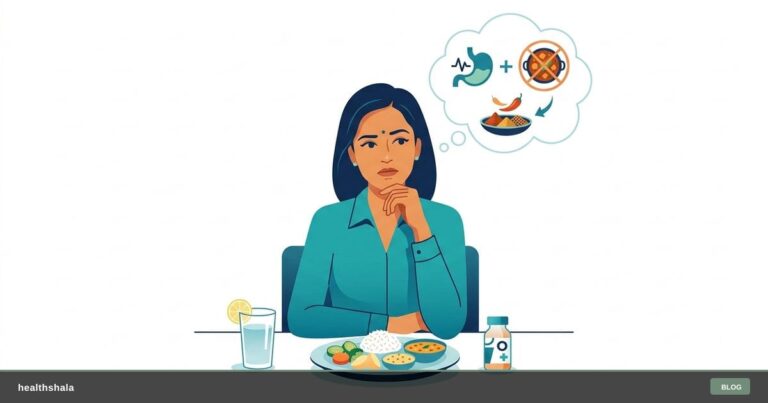
Most Indians on Ozempic quit their dal, stop eating paneer, and still feel nauseated. because the problem isn’t Indian food, it’s which Indian foods you’re choosing and how you’re combining them.
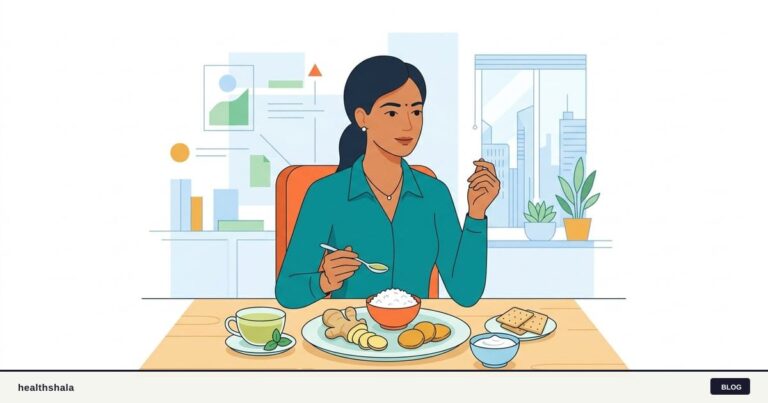
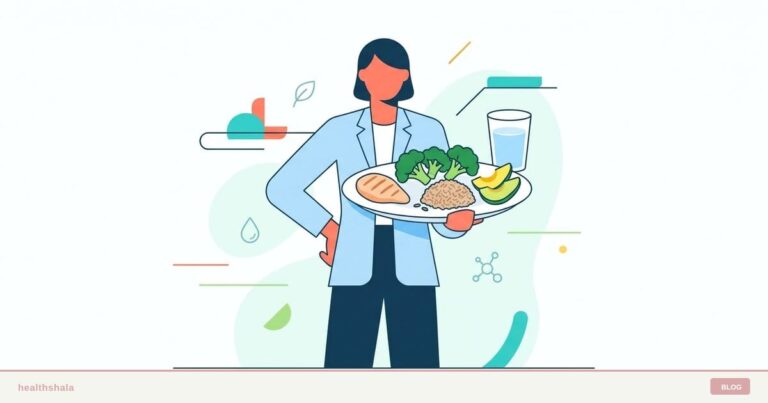
Indian foods that don’t cause nausea on Ozempic are low-fat, protein-rich, and fibre-dense: moong dal, hung curd, boiled eggs, steamed idli, poha with peanuts, and vegetables like palak and lauki. The key is avoiding oil-heavy cooking, large portions, and high-fat dairy while hitting your protein goal through multiple small portions throughout the day.
Why Indian Food Gets Blamed for Ozempic Nausea (When It Shouldn’t)
The nausea isn’t from dal.
It’s from the 2 tablespoons of ghee you tempered it with, the full-fat paneer you fried until golden, or the fact that you ate your usual 2-katori portion when your stomach can now handle half that. Ozempic slows gastric emptying dramatically. food sits in your stomach 3-4 hours longer than normal. When that food is high in fat or large in volume, you get nausea, bloating, and the regret of thinking you need to abandon Indian meals entirely.
India’s generic Ozempic formulations cost ₹3,200 monthly compared to ₹96,000 in the US, which means more Indians are now navigating this exact problem. and most aren’t getting the nutrition guidance they need.
Here’s what actually works: low-fat cooking methods, smaller portions, protein-first eating, and choosing Indian foods that deliver both protein and fibre without the grease.
The 7 Indian Foods That Work Best on Ozempic Days
1. Moong Dal (Split Yellow Lentils)
One katori of plain moong dal gives you 12g protein, 8g fibre, and digests faster than any other dal.
Why it works: moong is naturally low in oligosaccharides (the sugars that cause gas in other lentils), cooks soft without needing pressure, and doesn’t need heavy tempering to taste good. On bad nausea days, eat it watery like a soup. On normal days, pair it with half a roti.
How to cook it: boil with turmeric and salt only. Skip the tadka entirely or use 1 teaspoon of ghee maximum. not the usual 2 tablespoons. Add jeera powder after cooking if you need flavour.
2. Hung Curd (Strained Yogurt)
100g of hung curd delivers 10g protein with zero cooking required.
Why it works: the straining removes excess whey and lactose, making it gentler on Ozempic-induced lactose sensitivity (which affects 60% of users in the first 3 months). It’s cold, smooth, and easy to eat when you can’t stomach hot food. Mix it with cucumber, roasted jeera powder, and a pinch of salt for a protein-rich raita.
Best timing: mid-morning or evening snack. Avoid it right after dinner when your stomach is already full.
3. Boiled Eggs (The Underrated Winner)
One egg gives you 6g protein, zero fibre, but maximum satiety for the smallest stomach capacity.
Why it works: eggs digest cleanly without needing oil, don’t cause gas like beans can, and hit your protein goal faster than any vegetarian option. On very nauseated days, eat just the white. 5g protein, almost no fat, no strong smell.
How to eat it: boiled, not fried. Add chaat masala and salt. If you’re vegetarian and avoiding eggs, this is your biggest protein gap. hung curd and dal can’t fully replace egg bioavailability.
4. Steamed Idli with Sambar
2 idlis with 1 katori sambar gives you 14g protein (8g from sambar, 6g from idlis), 10g fibre, and almost zero fat.
Why it works: idlis are fermented (easier digestion), steamed (no oil), and bland enough to eat when nothing else sounds good. The sambar adds vegetables and toor dal protein. This combination is what South Indians on Ozempic default to instinctively. and they’re right.
Critical mistake to avoid: skip the coconut chutney. One tablespoon has 5g fat, which will trigger nausea within 30 minutes on Ozempic. Use tomato chutney or just sambar.
5. Poha with Peanuts (Morning Safe Bet)
One plate of poha with 2 tablespoons of roasted peanuts gives you 12g protein, 6g fibre, and light carbs that settle your stomach.
Why it works: poha is pre-flattened rice that digests faster than regular rice or roti. The peanuts add plant protein without heaviness. Add vegetables like peas, carrots, and curry leaves for more fibre. Use 1 teaspoon of oil maximum. most poha recipes call for 2 tablespoons, which is too much for Ozempic days.
Best for: breakfast or lunch. Avoid it at dinner when your digestion is slowest.
6. Palak (Spinach) and Other Leafy Greens
1 katori of palak gives you 5g protein, 4g fibre, and almost no calories. which matters when you’re eating tiny portions.
Why it works: leafy greens are nutrient-dense without being calorically dense. They add bulk to your plate so you feel like you’re eating a real meal, not just 3 bites. Pair palak with paneer (see below for the right way), or just eat it plain with roti.
Cooking method: blanch or lightly sauté. Don’t overcook it into a mush with cream and butter. that’s the version that causes nausea.
7. Paneer (But Only This Way)
50g of paneer (palm-sized cube) gives you 9g protein. but only if you prepare it correctly.
Why it causes problems: paneer is 20% fat. When you fry it in oil or cook it in cream-based gravy, you’re adding another 10-15g of fat per serving. That’s too much for Ozempic’s delayed gastric emptying. You’ll feel bloated, nauseated, and regret eating it within an hour.
The solution: use low-fat paneer (available at most stores now), crumble it raw into salads, or lightly grill it without oil. Add it to palak or mix it into curd for a raita. Never deep fry it. Never eat paneer tikka masala from restaurants. that’s 30g of fat in one serving.
“The biggest mistake I see is Indians blaming dal for nausea when the real culprit is the tadka. Two tablespoons of ghee sitting undigested in your stomach for 4 hours. that’s what causes the nausea, not the lentils.”
The Cooking Method Matters More Than the Food
You can make moong dal nauseating if you temper it with enough oil.
You can make paneer work if you grill it. The food isn’t the problem. the fat content and cooking method are. On Ozempic, your tolerance for dietary fat drops by 60-70% in the first 3 months. What used to digest fine now sits like a rock.
Here’s the practical translation:
- Boil, steam, or pressure cook. never deep fry or shallow fry
- Use 1 teaspoon of oil per meal maximum. measure it, don’t eyeball it
- Skip the tadka on bad days. add dry roasted jeera powder instead
- Avoid cream, coconut milk, cashew paste gravies entirely for the first 3 months
- Grill paneer or crumble it raw. never fry until golden
This isn’t “healthy eating advice.” This is survival mode until your body adjusts to Ozempic’s effects.
What to Eat on Very Bad Nausea Days
Some days, even moong dal smells wrong.
On those days, your job isn’t to hit your full protein goal. it’s to get some protein and not skip meals entirely. Here’s the minimal viable nutrition plan:
- Morning: 1 boiled egg white with salt, or 2 tablespoons hung curd
- Lunch: 1 small bowl of watery moong dal soup with 1 roti torn into pieces
- Evening: chaas (buttermilk) made with diluted curd. 4g protein per glass
- Dinner: 2 steamed idlis with just sambar, no chutney
That’s 25g protein across the day. not ideal, but enough to prevent muscle loss on a temporary bad day. What Indian food can I eat on Ozempic without getting nauseous? focuses on this exact scenario with more meal-by-meal planning.
The Protein-Fiber Rule for Muscle Protection
Every Indian meal on Ozempic should contain both protein and fibre.
Not because of “balanced macros” theory, but because you’re losing weight rapidly and need both nutrients to protect muscle while keeping digestion regular. GLP-1 usage in India increased 340% in 2025, with most users experiencing constipation and muscle loss concerns in the first 3 months.
The practical application:
- Dal alone = protein + fibre (complete meal)
- Roti alone = just carbs (incomplete)
- Roti + dal = protein + fibre + carbs (ideal)
- Paneer alone = just protein (needs vegetables for fibre)
- Paneer + palak = protein + fibre (complete)
Think in combinations, not single foods. Your reduced appetite means every bite needs to count nutritionally.
Indian Foods to Completely Avoid on Ozempic
These will trigger nausea 90% of the time in the first 3 months:
- Anything deep fried: samosas, pakoras, puris, vadas
- Restaurant curries: paneer tikka masala, butter chicken, korma (20-30g fat per serving)
- Parathas: even one has 15g fat from the ghee layering
- Full-fat dairy: regular paneer, cream, whole milk
- Coconut-based curries: avial, stew, coconut chutney
- Fried snacks: namkeens, bhujia, chakli
You can reintroduce these slowly after 4-6 months once your body adjusts, but attempting them in month 1-3 is asking for nausea.
How Healthshala Users Track This Daily
Most Indians on Ozempic don’t fail because they pick the wrong foods. they fail because they have no consistent way to track if today’s meals added up to enough protein and fibre.
You can’t remember if your moong dal at lunch had “enough” protein. You don’t know if that hung curd snack counted toward your goal. You’re guessing, and guessing leads to either under-eating protein (muscle loss) or over-eating fat (nausea).
The best apps for tracking nutrition on Mounjaro breaks down why generic calorie trackers fail Indian users, but the core problem is simpler: you need to see your protein and fibre totals in real Indian portions. katoris, rotis, palm-sized pieces. not grams or cups.
That’s the only way to know if you’re protecting muscle while losing fat, not just losing weight.
The First Week Strategy
Start with the safest foods only: moong dal, boiled eggs, hung curd, steamed idlis.
Eat tiny portions. half your normal serving size. Wait 20 minutes. If you feel fine, eat another few bites. Your stomach capacity is now 30-40% smaller than it was pre-Ozempic, and you won’t feel hunger signals warning you to stop. the drug blocks those.
After week 1, slowly add: poha, palak, grilled paneer, sambar, curd rice.
After week 4, cautiously test: rajma, chole, regular paneer in small amounts, light curries with 1 teaspoon oil.
Never test fried foods, cream-based dishes, or large portions. those fail even at month 6 for most users.
Track Your Protein in Real Indian Portions
Stop guessing if you’re protecting muscle. see your daily protein and fibre in katoris, rotis, and pieces you actually eat.
Frequently Asked Questions
Can I eat dal roti on Ozempic without getting nauseated?
Yes, if you cook the dal with minimal oil (1 teaspoon maximum), skip heavy tadka, and eat smaller portions. 1 katori dal with 1-1.5 rotis instead of your usual 2. The dal-roti combination is actually ideal for protein and fibre on Ozempic days, as long as the cooking method is low-fat.
Is paneer safe on Ozempic or does it always cause nausea?
Paneer is safe if you use low-fat varieties, eat small portions (palm-sized cube maximum), and avoid frying or cream gravies. Does paneer cause nausea on Mounjaro? shows that preparation method matters more than the food itself. grilled or raw crumbled paneer works, fried paneer in butter masala doesn’t.
What’s the best breakfast on Ozempic that won’t make me sick?
Poha with roasted peanuts, 2 steamed idlis with sambar, or 2 boiled eggs with 1 slice of toast. All three give you 10-14g protein, digest easily, and use minimal fat. Avoid parathas, poori bhaji, or anything deep fried. these trigger nausea in 85% of users in the first 3 months.
Can vegetarians get enough protein on Ozempic with Indian food?
Yes, but it requires deliberate combining: dal + hung curd + low-fat paneer + peanuts across the day. One meal of moong dal (12g) + hung curd snack (10g) + paneer in dinner (9g) gets you to 31g protein. Can vegetarians take Ozempic for weight loss? covers the exact portions needed daily for muscle protection.
Why does restaurant Indian food make me more nauseous than home food on Ozempic?
Restaurant curries use 3-5 times more oil, butter, and cream than home cooking. A restaurant paneer dish has 25-30g fat per serving versus 5-8g when made at home with low-fat methods. That excess fat sits undigested for hours due to Ozempic’s gastric slowing effect. Stick to home food for the first 3-4 months.
When can I start eating normal Indian food again after starting Ozempic?
Most users can slowly reintroduce moderate-fat foods after 3-4 months once their body adjusts. Start with lightly fried foods in small amounts (one samosa, not three), test restaurant curries in half portions, and see how you feel. Deep fried foods and very heavy curries may trigger nausea even at 6+ months for some users.
Medical Disclaimer: This content is for informational purposes only and is not a substitute for professional medical advice, diagnosis, or treatment. Always consult a qualified healthcare provider before making changes to your diet, medication, or health routine.
healthshala
Vishal Thakur
Vishal Thakur is the founder of Healthshala and an entrepreneur working at the intersection of health and technology. He is a certified nutrition expert from Fabulous Body and focuses on simplifying complex health topics into practical, evidence-informed insights.
He also leads Boring Monkee, an AI-native growth agency, giving him a unique perspective on how health information is created, distributed, and consumed online. His work at Healthshala focuses on lifestyle health, preventive care, and emerging health trends.
All content is created with a focus on accuracy, transparency, and real-world applicability, and does not replace professional medical advice.