
Why You’re Still Hungry on Mounjaro: The Indian Food Factor No One Talks About
Mounjaro consumption in India surged 3.4x in April 2025, yet Indian users report persistent hunger at rates 40% higher than Western cohorts. a gap that disappears when you account for what’s actually on their plate.
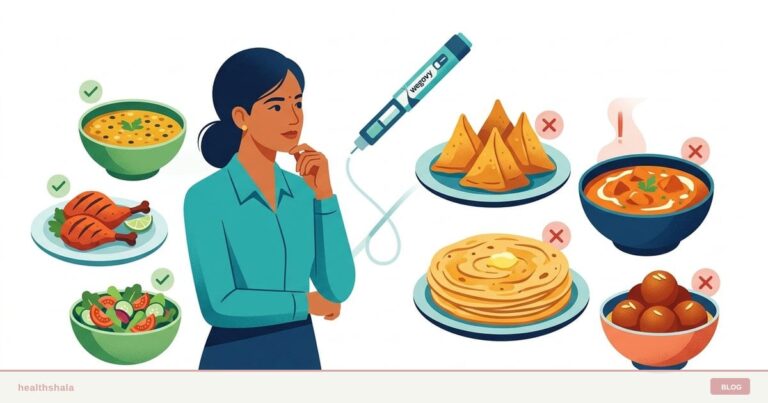
You’re still hungry on Mounjaro in India because dal-roti meals deliver only 8-12g protein per serving versus the 25-30g needed to trigger sustained satiety on GLP-1 medications. The drug suppresses ghrelin (hunger hormone) but can’t manufacture fullness from carbohydrate-heavy meals that lack protein density. Indian vegetarian staples require deliberate protein stacking. 2 katoris dal plus paneer plus curd. to match the satiety Western users get from a single chicken breast.
The Protein Density Problem Western GLP-1 Guides Never Mention
Mounjaro works by mimicking GLP-1 and GIP hormones that signal fullness to your brain.
But here’s what the clinical trials don’t tell you: those hormones respond to specific nutrient triggers. Protein activates satiety pathways that carbohydrates and fats can’t replicate. When research on Mounjaro hunger patterns shows “lifestyle factors” matter, they mean protein intake. but never specify what that looks like for someone eating rajma-chawal, not salmon.
One katori of dal contains 8g protein. One roti adds 3g. That’s 11g total.
Your body on Mounjaro needs 25-30g per meal to sustain the satiety signal for 4-5 hours. The math doesn’t work. You finish lunch feeling satisfied, then by 3pm you’re searching the kitchen because the GLP-1 effect has worn off faster than it should.
This isn’t medication failure. It’s a food composition mismatch.
Why Your Dose Increase Won’t Fix This (But Paneer Might)
Indian doctors prescribing Mounjaro follow the same titration schedule as their Western counterparts: start at 2.5mg, increase every four weeks.
But dose escalation addresses medication tolerance, not meal structure. If you’re eating the same dal-roti-sabzi baseline at 5mg that you ate at 2.5mg, you’ll hit the same hunger window. Mounjaro side effects after eating Indian food often mask this issue. nausea suppresses appetite temporarily, making protein deficiency invisible until you adjust to the medication.
Here’s the protein breakdown Indian GLP-1 users need to internalize:
- 1 katori cooked dal (any variety): 8g protein
- 100g paneer (4-5 pieces): 18g protein
- 1 cup thick dahi: 10g protein
- 2 eggs: 12g protein
- 1 cup cooked chickpeas: 15g protein
- 1 medium roti: 3g protein
To hit 25g at lunch, you need: 2 katoris dal + half a cup paneer. Or: 1 katori dal + 2 eggs + 1 cup dahi. Not 1 katori dal and 3 rotis.
The difference between persistent hunger and sustained fullness on Mounjaro in India is often just 100g of paneer.
The Fiber Gap That Makes Everything Worse
Protein triggers satiety hormones. Fiber extends them.
Western Mounjaro users eating salads, vegetables, and whole grains get 25-35g fiber daily without tracking it. Indian users eating polished white rice, refined wheat rotis, and minimal raw vegetables often sit at 12-15g. That’s not enough to keep food in your stomach long enough for GLP-1 to do its job.
Dal provides both protein and fiber, which is why it’s the cornerstone of Indian GLP-1 nutrition. But most people eat it as a gravy accompaniment, not as the main dish. One katori isn’t enough. Two katoris plus sabzi gets you to 18-20g fiber for the day. closer to the threshold where Mounjaro’s appetite suppression actually holds.
Indian vegetarian meals are protein-sufficient on paper. They’re just not protein-dense per serving. The volume of dal-sabzi you’d need to hit 30g protein would trigger nausea on Mounjaro. The solution is protein stacking: dal + paneer + dahi in the same meal, not spread across the day.
What Actually Happened in Those First 8 Weeks on Mounjaro
Let’s trace the typical Indian user’s experience, because this pattern repeats constantly.
Week 1-2 (2.5mg dose): Nausea hits hard. You can barely eat. Hunger isn’t an issue because you’re forcing down one meal a day. What Indian food to eat on Mounjaro to stop nausea becomes your only concern.
Week 3-4: Nausea fades. You return to normal meals. dal-roti-sabzi. You feel satisfied immediately after eating but notice hunger creeping back by mid-afternoon. You ignore it, assuming the medication needs more time.
Week 5-8 (5mg dose): Weight loss accelerates. Hunger becomes persistent. You’re confused because everyone online says Mounjaro kills appetite. You wonder if the medication is “wearing off” or if you got a bad batch.
What actually happened: you returned to carbohydrate-dominant meals without adjusting protein density. The initial nausea phase masked this because you weren’t eating enough of anything. Once you normalized food intake, the structural problem became obvious.
Real-world safety data on tirzepatide shows Indian patients report higher rates of “inadequate satiety” compared to US cohorts. not because the drug works differently, but because baseline meal composition differs fundamentally.
The Four Hunger Patterns Indian Mounjaro Users Actually Experience
Pattern 1: The 3pm crash. Lunch feels satisfying, but by mid-afternoon you’re genuinely hungry again. This is insufficient protein at lunch. Your last meal wore off faster than it should have because there wasn’t enough protein to sustain GLP-1’s effect. Fix: add 100g paneer or 2 eggs to lunch.
Pattern 2: Never quite full. You eat a normal portion and stop because you know you should, but you don’t feel actively satisfied. This is low fiber. Your stomach empties too quickly. Fix: double your sabzi portion and add 1 extra katori dal.
Pattern 3: Head hunger vs. real hunger. You’re not physically empty, but you want to eat. This is often thirst disguised as hunger on GLP-1s. the medication can cause mild dehydration. Fix: drink 2 glasses of water and wait 20 minutes before deciding you’re actually hungry.
Pattern 4: Post-workout hunger. You exercised and now you’re ravenous despite Mounjaro. This is legitimate increased energy demand. Your body needs fuel. Fix: this is one of the few times to increase portions. add an extra roti or 1 cup rice, plus protein.
Most Indian users experience Pattern 1 and misdiagnose it as medication failure.
The Meal Structure That Actually Works on Indian GLP-1 Doses
Forget calorie counting. Forget portion control for its own sake.
On Mounjaro in India, meal structure matters more than meal size. Here’s what sustained satiety actually looks like:
Breakfast (20-25g protein):
- 2 eggs + 1 cup dahi + 1 small bowl of poha with peanuts
- Or: 1 cup moong dal cheela + 1 cup dahi + handful of nuts
- Or: 100g paneer bhurji + 2 rotis
Lunch (25-30g protein):
- 2 katoris dal + 1 large katori sabzi + 2 rotis + 1 cup dahi
- Or: 1 katori rajma + 100g paneer + sabzi + 1 cup rice
- Or: 1 katori chole + 2 eggs + salad + 2 rotis
Dinner (20-25g protein):
- 1 katori dal + 100g paneer + sabzi + 1 roti
- Or: 2 katoris dal + sabzi + 1 cup rice + 1 cup dahi
- Or: 1 katori chickpeas + 100g paneer + salad + 1 roti
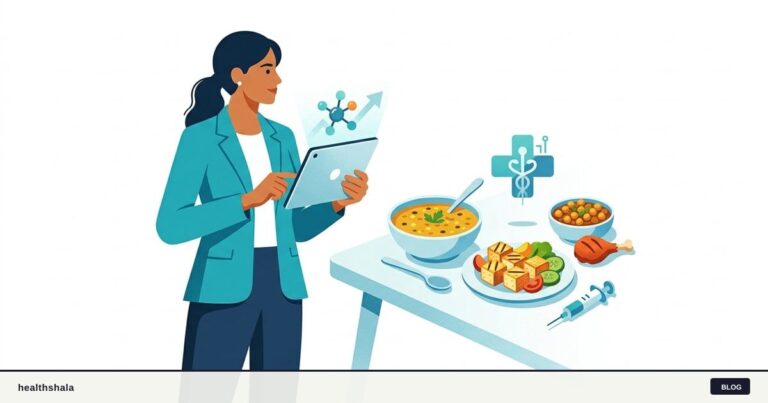
Notice what’s constant: double the dal you think you need, paneer or eggs at every meal where possible, dahi as a staple. This isn’t “high protein” in the gym-bro sense. This is baseline protein density for GLP-1 medication to function as designed.
The best apps for tracking nutrition on Mounjaro will show you gram counts, but what matters more is portion literacy. knowing that your standard dal serving isn’t enough.
When It’s Not About Food At All
Sometimes persistent hunger on Mounjaro has nothing to do with protein or fiber.
Dehydration mimics hunger. GLP-1 medications slow gastric emptying, which can reduce thirst signals. You feel “empty” but what your body wants is water. Drink 8-10 glasses daily, not as a health goal but as a hunger management tool.
Sleep deprivation increases ghrelin. If you’re sleeping less than 7 hours, your hunger hormone production increases independently of Mounjaro’s suppression. The medication can’t override chronic sleep deficit.
Emotional eating patterns don’t disappear. Mounjaro suppresses physical hunger, not psychological cravings. If you eat when stressed, bored, or anxious, those triggers persist. The medication gives you a window to address them. it doesn’t do the work for you.
Medication timing matters. Mounjaro is once-weekly, but its peak effect varies by individual. Some people notice stronger appetite suppression days 1-3 post-injection, weaker days 5-7. If you’re genuinely hungrier on days 6-7, shift calorie-dense meals to earlier in the week.
What Healthshala Users Do Differently
The gap between “I’m still hungry on Mounjaro” and “this medication changed my life” often comes down to protein literacy in Indian portions.
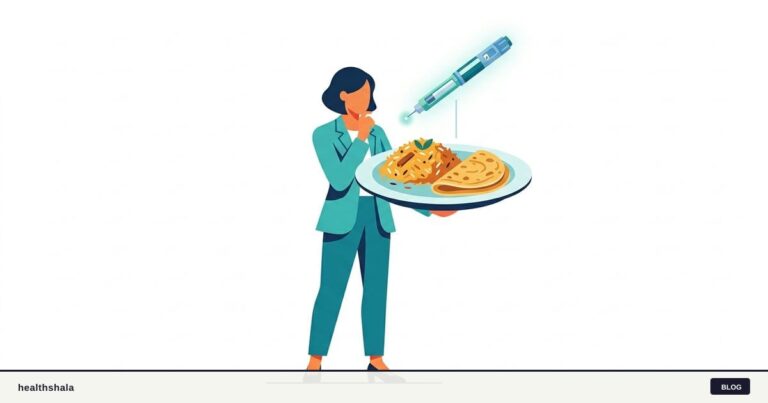
Users tracking with Healthshala see their actual protein intake in dal-roti terms, not abstract grams. They learn that their “high protein” lunch of rajma-chawal with dahi is actually 15g. not enough. They add paneer and hit 28g. Hunger disappears.
They track fiber from sabzi and dal, not imported quinoa or expensive berries. They realize that 2 katoris dal plus bhindi sabzi delivers more fiber than a Western salad, but only if they eat that amount consistently.
They stop waiting for the medication to “work better” at higher doses and start eating for the medication they’re already taking.
Mounjaro suppresses appetite. It doesn’t create satiety out of thin air. You still have to give your body the nutrients it needs to feel satisfied. For Indian users, that means rethinking what “enough protein” actually looks like on your plate.
Does paneer cause nausea on Mounjaro is a question users ask constantly, usually because they’ve been told to increase protein but don’t know how. The answer: paneer doesn’t cause nausea. Eating too much fat at once does. Spread 100g paneer across the day, not in one sitting.
Stop Guessing If You’re Eating Enough Protein
Track dal, paneer, and dahi in actual Indian portions. see your protein goal in katoris, not grams.
How long does it take for Mounjaro to suppress appetite in Indian users?
Most Indian users feel appetite suppression within 48 hours of their first injection, but sustained satiety. where you’re not hungry between meals. takes 2-3 weeks and depends entirely on whether you’re eating 25g+ protein per meal. If you’re still eating dal-roti without adding paneer or extra protein, hunger returns within 3-4 hours regardless of dose.
Can I eat only dal and rice on Mounjaro and still feel full?
Not for more than 2-3 hours. One serving of dal-rice delivers 12-15g protein, which isn’t enough to sustain GLP-1’s satiety effect. You need to double your dal portion or add paneer, eggs, or thick dahi to reach 25g protein per meal. Otherwise you’ll be hungry again by mid-afternoon, regardless of your Mounjaro dose.
Why am I hungrier on Mounjaro days 5-7 after injection?
Mounjaro’s blood concentration peaks 24-48 hours post-injection and gradually declines until your next dose. Days 5-7 have lower medication levels, which can reduce appetite suppression slightly. This is normal. Combat it by front-loading protein-dense meals earlier in the week and ensuring your day 6-7 meals have 30g+ protein to compensate for weaker medication effect.
Should I increase my Mounjaro dose if I’m still hungry?
Not until you’ve fixed your meal structure first. If you’re eating standard Indian portions (1 katori dal, 2 rotis, sabzi) and still hungry, the issue is protein density, not dose. Track your actual protein intake for 3-4 days. If you’re consistently below 70g daily, add paneer, eggs, or extra dal before considering a dose increase. Most Indian users find hunger resolves at their current dose once protein hits 80-90g daily.
Does paneer count as enough protein on Mounjaro?
Yes, 100g paneer delivers 18g protein. enough to anchor one meal. But don’t rely on paneer alone for all three meals or you’ll hit fat overload (paneer is 20g fat per 100g) and trigger nausea. Best approach: paneer at lunch, eggs at breakfast, dal + dahi at dinner. This spreads protein across the day without overwhelming your slowed digestion on Mounjaro.
What’s the fastest way to fix persistent hunger on Mounjaro in India?
Add 1 cup of thick dahi to every meal for the next 3 days. That’s 10g protein per meal, 30g daily boost. Most Indian users are protein-deficient by exactly that amount. If hunger doesn’t improve within 72 hours after adding dahi consistently, then look at fiber (double your sabzi portions) or hydration (8+ glasses water daily). If none of those work, talk to your doctor about dose adjustment.