Can I Eat Spicy Food on Mounjaro Without Getting Diarrhea? A Complete Guide for Indian Food Lovers
In clinical trials, 12-17% of Mounjaro users experienced diarrhea. and spicy food can push you straight into that statistic if you don’t eat it strategically.
You can eat spicy food on Mounjaro without triggering diarrhea, but only if you avoid high-fat curries, eat smaller portions than usual, and time your spicy meals for days when you’re not experiencing nausea or reflux. Start with mildly spiced dal or sabzi before attempting full-heat dishes, and never combine spicy food with fried items or caffeine. both amplify gastric distress.
Why Mounjaro Makes Your Gut Hypersensitive to Spice
Tirzepatide (Mounjaro’s active ingredient) slows gastric emptying by up to 70%.
Food sits in your stomach longer, which means spicy compounds. specifically capsaicin from mirch and piperine from black pepper. irritate your stomach lining for extended periods. What used to pass through in 2-3 hours now lingers for 5-6 hours, creating prolonged contact with already-sensitive GI tissue.
This isn’t just discomfort. Spicy meals can trigger gastric distress and diarrhea in GLP-1 users because the drug also increases intestinal motility in some people while decreasing it in others. creating unpredictable responses to trigger foods.
The second mechanism: Mounjaro reduces gastric acid secretion.
Sounds good, except lower acid means your stomach struggles to break down complex spice molecules efficiently. Undigested capsaicin moves into your small intestine, where it activates TRPV1 receptors (pain receptors) and stimulates fluid secretion. literally flushing your intestines faster than normal. That’s the diarrhea.
For Indian GLP-1 users eating mirchi-heavy food daily, this creates a real problem: avoid all spice and lose the joy of eating, or risk daily GI misery.
The answer isn’t elimination. it’s strategic modification.
The Spice Tolerance Hierarchy: What You Can Actually Eat
Not all spicy foods trigger the same response on Mounjaro.
Here’s the hierarchy based on capsaicin concentration, fat content, and typical portion size:
Safe Zone (Minimal GI Risk):
- Mildly spiced dal (tadka with 1-2 dried red chilies, not green mirch)
- Sabzi with turmeric, jeera, coriander. no raw chili paste
- Idli-sambar with moderate spice level
- Plain rajma with light masala
- Scrambled eggs with black pepper and a pinch of red chili powder
These work because spice is present but diluted in high-water-content dishes, and they’re typically low-fat (no prolonged stomach retention).
Proceed With Caution (Medium Risk):
- Chicken curry with moderate gravy (not cream-based)
- Paneer tikka (grilled, not fried)
- Vegetable biryani with raita on the side
- Chole (chickpeas) with 1 roti, not fried bhature
The risk here is portion size and fat combination. A small katori of chicken curry? Usually fine. A full plate with oily gravy? Diarrhea within 4-6 hours for many users.
High Risk (Likely to Trigger Symptoms):
- Vindaloo, Kolhapuri mutton, or any “extra spicy” restaurant dish
- Deep-fried + spicy combinations (mirchi bajji, spicy pakoras)
- Raw green chili chutneys
- Spicy street food (pani puri, bhel with green chutney)
- Butter chicken, malai kofta, or any cream-heavy curry
Foods that are greasy, fatty, very sweet, or spicy top the avoidance list for Mounjaro users, and anything combining high fat + high spice guarantees prolonged gastric distress.
The Indian Food Modification Formula That Actually Works
You don’t need to eat boiled chicken and plain rice for six months.
You need to modify Indian food in ways that preserve flavor while reducing GI triggers. Here’s the exact formula Healthshala users apply:
1. Cut Fat First, Spice Second
Fat is the bigger diarrhea trigger than spice on Mounjaro.
A moderately spicy dal with 1 teaspoon oil in the tadka? Fine for most users. The same dal made with 3 tablespoons ghee? GI disaster, even if spice level is identical.
Make your dal/sabzi with 1 teaspoon oil instead of the usual 2-3 tablespoons. Add spice after cooking rather than frying it in hot oil. The capsaicin hits differently when it’s not fat-soluble and coating your stomach lining.
2. Use the “Half-Spice” Rule for First Month
Whatever red chili powder or green mirch your recipe calls for, use half.
Your taste buds adapt in 2-3 weeks. What tastes bland initially will taste normal once your palate recalibrates to reduced spice levels while your stomach adjusts to Mounjaro.
After 4 weeks, gradually increase spice in 25% increments. Monitor for diarrhea or reflux for 48 hours after each increase.
3. Time Your Spicy Meals Strategically
Never eat spicy food on injection day or the day after. this is when nausea and gastric slowdown peak.
Schedule your spiciest meal 3-4 days post-injection when side effects are minimal. Eat it for lunch, not dinner, so you’re not lying down with capsaicin-loaded food in a slow-moving stomach.
Spicy food can make reflux, indigestion, or nausea worse, and all three are amplified when you’re horizontal within 3 hours of eating.
4. Always Pair Spice With Protein and Fiber
Don’t eat spicy food on an empty stomach or as a standalone snack.
The correct structure: protein base (dal, paneer, eggs) + fiber (vegetables, roti) + controlled spice. The protein and fiber create a buffer layer that slows capsaicin absorption and reduces direct gastric irritation.
Example: 1 cup dal + ½ cup baingan bharta (mildly spiced) + 1 small roti. The dal provides 15g protein, baingan adds fiber, roti slows digestion. spice is diluted across the entire meal rather than hitting your stomach concentrated.
What to Do When You’ve Already Eaten Too Much Spice
You ignored the rules, ate restaurant-level mirchi, and now you’re 3 hours in with stomach cramping.
Here’s immediate damage control:
Drink cold buttermilk (chaas) or plain lassi immediately. Casein in dairy binds to capsaicin and neutralizes it. Not curd with sugar. plain dairy only. Lactose-intolerant? Skip this. Many Mounjaro users develop temporary lactose intolerance, and adding dairy on top of spice-triggered diarrhea makes everything worse.
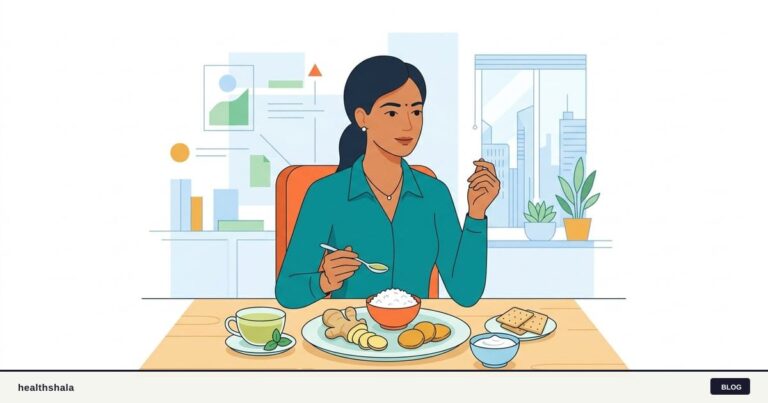
Eat 1 slice of plain white bread or 2-3 plain biscuits. Starch absorbs excess capsaicin and gastric acid. Don’t eat more spicy food to “balance it out”. that’s a myth that guarantees diarrhea.
Take an OTC antacid (Gelusil, Digene) if you have reflux. This won’t stop diarrhea but prevents the spice from traveling back up your esophagus as gastric emptying slows further.
Avoid caffeine and carbonated drinks for the next 12 hours. Both increase gut motility and will accelerate diarrhea. Stick to room-temperature water or mild herbal tea.
If diarrhea starts, hydrate aggressively. Mounjaro can cause diarrhea and dehydration. losing fluids from both the drug and spicy food creates a dangerous combination. Drink ORS (electral) or coconut water, not just plain water.
The Protein Problem: Why Spicy + Nausea Kills Your Goals
Here’s what most GLP-1 users miss: the real cost of spicy food isn’t the diarrhea. it’s the protein you don’t eat the next day.
You eat spicy food. Your stomach rebels. You wake up nauseous, skip breakfast, force down plain toast for lunch, and avoid protein completely because the thought of dal or eggs makes you gag. You’ve now missed your protein goal for 24-48 hours because of one bad meal.
On Mounjaro, you’re already losing weight fast. potentially 2-3kg per week in the first month. Without adequate protein (0.8-1g per kg body weight daily), you’re losing muscle along with fat. Muscle-protected weight loss requires hitting your protein goal consistently, and spice-triggered nausea is one of the top reasons Indian GLP-1 users fall short.
The strategic approach: if you’re going to eat spicy food, make absolutely certain you’ve already hit your protein target for the day first.
Example: 2 boiled eggs at breakfast (12g protein), 1 cup dal at lunch (15g protein), then your spicy sabzi or curry for dinner. If you wake up nauseous the next day, you’ve already banked 27g protein and can afford a light day. If you eat spicy first and skip protein meals after, you’ve sabotaged the entire point of being on Mounjaro.
When to Completely Avoid Spicy Food (Non-Negotiable)
Some situations require total spice elimination, not just reduction:
- First 2 weeks on Mounjaro: Your body is adjusting to gastric slowdown. Add spice after you know your baseline side effects.
- Dose increase weeks: Every time you move from 2.5mg to 5mg to 7.5mg, treat it like starting over. Zero spice for 1 week post-increase.
- Active diarrhea or vomiting: If you’re already experiencing GI symptoms, spicy food extends recovery by days.
- Dehydration or electrolyte imbalance: Spice-triggered diarrhea when you’re already dehydrated can land you in urgent care. Not worth it.
- Combining Mounjaro with antibiotics or NSAIDs: Both increase gastric sensitivity. adding spice guarantees misery.
What Indian food to eat on Mounjaro to stop nausea becomes your default guide during these periods. dal khichdi, plain dahi, boiled eggs, steamed vegetables. Boring, but necessary.
The Reality Check: Most Users Can Eat Mild Spice by Month 2
The internet makes Mounjaro sound like a death sentence for Indian food.
It’s not. Most users tolerate mild-to-moderate spice perfectly fine after the initial adjustment period, as long as they’re strategic about fat content, portion size, and timing.
The users who suffer are the ones who refuse to modify recipes at all. full ghee, full mirch, restaurant-style cooking, eating while nauseous. That’s not “eating normally on Mounjaro.” That’s ignoring how the drug works and being surprised when it fights back.
Smart approach: Week 1-2, zero spice. Week 3-4, add mild spice to dal and sabzi. Week 5-8, gradually increase to your normal preference minus the excess oil. Month 3+, most users eat regular home-cooked Indian food with minor modifications and zero diarrhea.
The key is listening to your body and tracking what triggers symptoms. Everyone’s threshold is different. some can handle Kolhapuri spice by month 3, others stick to jeera-dhania forever. Neither is wrong.
Track Your Protein & Fiber Goals on Real Indian Food
Healthshala helps you hit your daily targets with dal-paneer-roti portions that actually make sense. no guessing, no nausea-triggering meals.
Frequently Asked Questions
What happens if you eat spicy food on Mounjaro?
Spicy food can trigger diarrhea, reflux, nausea, and stomach cramping because Mounjaro slows gastric emptying. capsaicin sits in your stomach longer and irritates the lining. High-fat spicy dishes (like butter chicken or fried mirchi) are the worst offenders. Mild spice in low-fat dishes (like dal or sabzi) is usually tolerated after the first 2-4 weeks.
Can I eat green chili chutney while on Mounjaro?
Raw green chili chutney is one of the highest-risk foods for GI distress on Mounjaro. The concentrated capsaicin hits your already-sensitive stomach without any buffering from protein or fiber. If you must have it, use 1 teaspoon maximum mixed into dal or yogurt. never eat it straight or with fried foods. Most users avoid it completely during the first 2 months.
How long after eating spicy food will I get diarrhea on Mounjaro?
Typically 4-8 hours after eating, which is when the spicy food moves from your stomach into your small intestine. Mounjaro slows the stomach phase but can speed up intestinal transit, so capsaicin hits the colon faster than normal and triggers fluid secretion (diarrhea). If you eat spicy food at lunch, expect symptoms late evening or night. If you eat it at dinner, symptoms often appear the next morning.
Is biryani safe to eat on Mounjaro?
Vegetable biryani with minimal oil and moderate spice is usually safe in small portions (1 small katori, not a full plate). Avoid dum biryani made with ghee, fried onions, or restaurant-style preparation. the fat + spice combination guarantees GI distress. Always pair biryani with plain raita to buffer the spice, and eat it for lunch rather than dinner so you’re not lying down with heavy food in your stomach.
Can I build up spice tolerance while on Mounjaro?
Yes, but it takes 6-8 weeks and requires gradual increases. Start with zero spice for 2 weeks, then add mild spice (1-2 dried red chilies in tadka) for 2 weeks. If no diarrhea or reflux, increase by 25% every 2 weeks. Track your symptoms daily. some users reach full spice tolerance by month 3, others plateau at 50-75% of their pre-Mounjaro spice level. Never rush it or you’ll trigger severe diarrhea that sets you back weeks.
What’s the best Indian breakfast on Mounjaro if I want to eat spicy food later?
2 boiled eggs + 1 small bowl of plain poha or upma (no mirch). This gives you 12-15g protein first thing, creates a buffer layer in your stomach, and ensures you’ve hit part of your protein goal before risking spice-triggered nausea later. Never eat spicy food as your first meal of the day on Mounjaro. your stomach is most sensitive in the morning, and one bad breakfast can ruin your appetite for 24 hours.