Are Ozempic and Mounjaro Destroying Your Bones? What Indian GLP-1 Users Need to Know
A 38-year-old Mumbai software engineer lost 14 kilos in five months on Mounjaro. Her DEXA scan showed something her scale didn’t: she’d also lost 8% of her hip bone density. putting her in the pre-osteoporosis range at an age when Indian women’s bone health is already declining faster than their Western counterparts.
Ozempic and Mounjaro don’t directly cause bone loss, but rapid weight loss without adequate protein and calcium intake triggers accelerated bone density decline. especially dangerous for Indians whose baseline bone health is already 30-40% lower than Western populations due to chronic vitamin D deficiency and lower dairy calcium absorption. The risk is highest in women over 35 and anyone losing more than 1 kilo per week without structured muscle and bone protection.
The Bone Loss Mechanism GLP-1 Users in India Aren’t Being Warned About
The drug itself isn’t eating your bones.
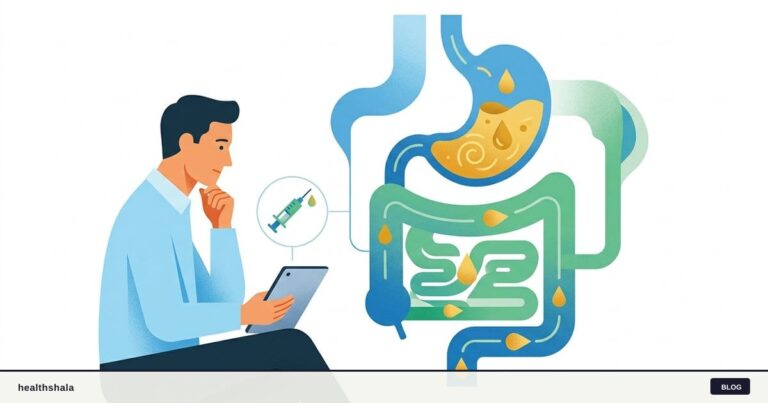
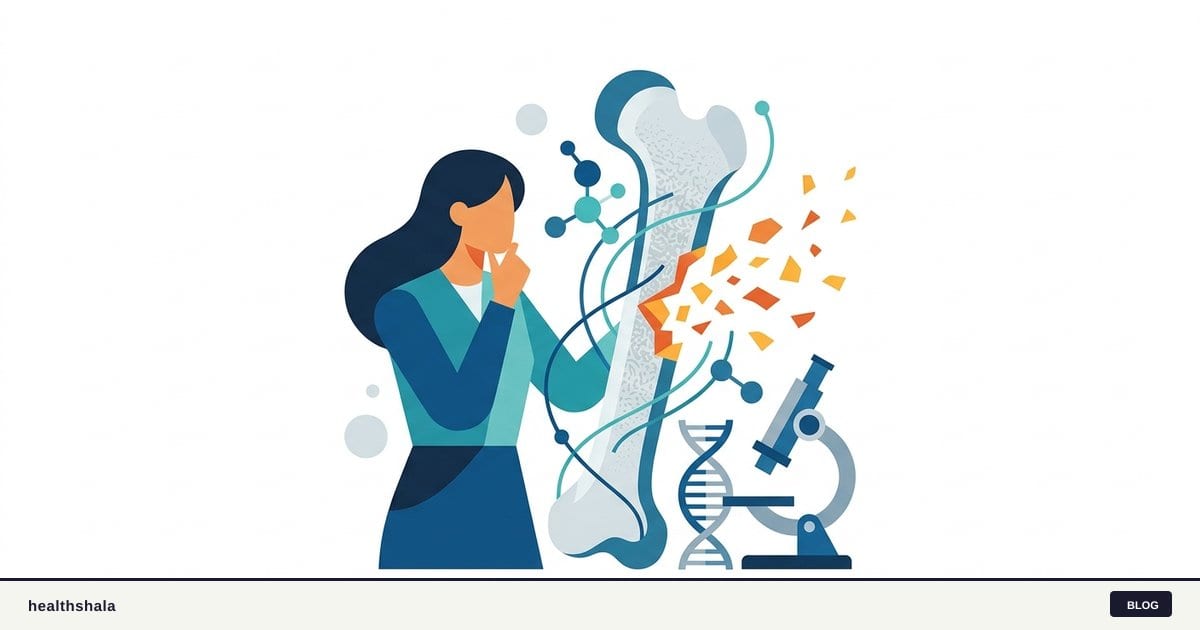
But the weight you’re losing? That’s a different story. Research published in JAMA Network Open shows that GLP-1 users experienced measurable bone density reductions at the hip and spine. not because semaglutide or tirzepatide damages bone tissue, but because rapid fat loss triggers a metabolic cascade that pulls calcium from your skeleton.
Here’s what happens in your body during the first 90 days on Mounjaro:
- Your appetite suppression is so effective you’re eating 40-60% fewer calories than before
- Protein intake drops from an already-low 50g/day to 25-30g (think: skipping dal because you’re nauseous, eating only sabzi and rice)
- Calcium absorption plummets because you’re not eating paneer, dahi, or milk. the primary calcium sources in Indian diets
- Your body needs calcium to function, so it starts mining your bones to maintain blood calcium levels
- Weight-bearing load on your skeleton decreases as you lose kilos, signalling bones they don’t need to stay as dense
A 2025 study tracking semaglutide and tirzepatide users found greater annualised total hip bone loss in patients without diabetes. meaning if you’re using these drugs purely for weight loss (not diabetes management), your bone risk might actually be higher.
Indian women enter GLP-1 treatment with a bone health deficit that takes years to develop. 70-90% are vitamin D deficient, baseline calcium intake averages 400mg/day (half the recommended amount), and peak bone mass is achieved 5-10 years earlier than in Western populations. Rapid weight loss without intervention accelerates a problem that was already brewing.
Why Indian GLP-1 Users Face Higher Bone Loss Risk Than Western Patients
Every bone loss study you’ll find online is based on Western populations.
The data doesn’t account for the fact that Indian adults. especially women. start with significantly compromised bone health before they ever take their first Ozempic dose. Research linking GLP-1s to higher osteoporosis risk didn’t study anyone eating dal-roti-sabzi or dealing with monsoon-related vitamin D deficiency for six months a year.
Here’s what makes bone protection critical for Indians on GLP-1s:
Pre-existing Vitamin D Deficiency
Between 70-90% of urban Indians have vitamin D levels below 20 ng/mL. You can’t absorb calcium efficiently without adequate vitamin D. which means even if you’re eating paneer, your body isn’t pulling calcium from it effectively. Add GLP-1-induced appetite suppression, and you’re in a double deficit.
Lower Baseline Calcium Intake
The average Indian adult consumes 400-600mg of calcium daily. The requirement is 1000-1200mg. That gap exists before Mounjaro enters the picture. Now you’re eating half your normal portions, skipping paneer because it’s too heavy when you’re nauseous, and avoiding dahi because it doesn’t taste right anymore. Your calcium intake might be down to 200mg/day. one-sixth of what your bones need.
Lactose Intolerance and Dairy Avoidance
Roughly 60% of Indian adults have some degree of lactose intolerance. Dairy is already limited for many people. and it’s the primary calcium source in vegetarian Indian diets. When GLP-1s suppress appetite and make rich foods intolerable, dairy is often the first thing dropped. There’s no backup calcium strategy in most Indian diets.
Earlier Menopause and Faster Bone Loss in Women
Indian women reach menopause 2-4 years earlier than Western women on average. Post-menopausal bone loss accelerates dramatically without oestrogen protection. If you’re a 45-year-old woman starting Mounjaro, you’re potentially stacking GLP-1-induced bone loss on top of menopause-related decline. and your baseline bone density was already lower to begin with.
The Protein Floor Your Bones Need (That Your Doctor Didn’t Mention)
Calcium gets all the attention. Protein is the bone protector nobody talks about.
Your bones aren’t just calcium deposits. they’re living tissue with a collagen matrix that requires constant protein synthesis to maintain. Emerging research on GLP-1s and bone injuries suggests that inadequate protein during rapid weight loss doesn’t just cost you muscle. it compromises bone structure integrity.
Here’s the protein reality for most Indians on GLP-1s:
- Pre-GLP-1 protein intake: 45-60g/day (already below the 0.8g/kg minimum)
- Post-GLP-1 protein intake: 20-35g/day (catastrophically low during rapid weight loss)
- Protective protein floor during GLP-1 treatment: 80-100g/day minimum
The gap between where you are and where you need to be is enormous. And it’s not closing on its own. not when one katori rajma has 15g protein but makes you feel bloated, not when paneer seems too rich, not when even dahi feels heavy on a nauseous day.
Healthshala exists specifically to bridge this gap. tracking protein in actual Indian food portions (1 katori chole, 2 rotis, 100g paneer) and building strategies for nausea-day eating that still hit your protective protein floor.
What 80-100g Protein Actually Looks Like in Indian Meals
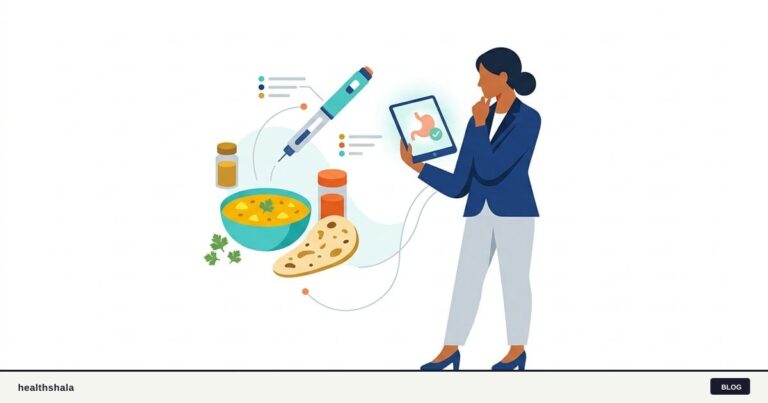
Most people have no idea what they’re eating. They know paneer has protein. They don’t know that 100g paneer (roughly 6-7 cubes) has 18g protein. which means you’d need to eat it at two meals plus add dal and eggs to hit 80g for the day.
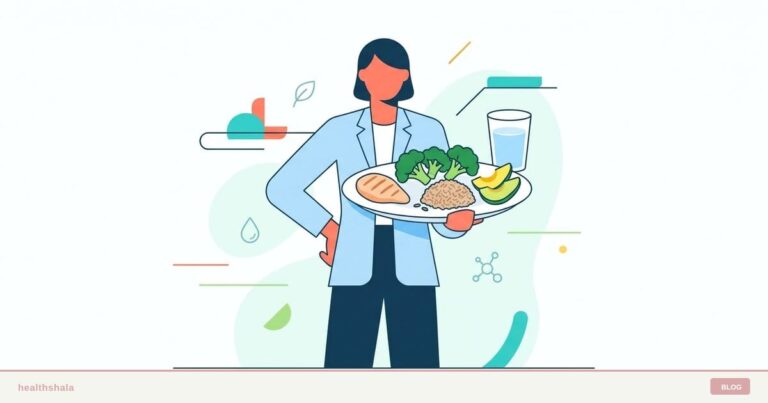
Here’s a realistic day that hits 85g protein while managing GLP-1 nausea:
- Breakfast: 2 boiled eggs + 1 slice whole wheat bread = 16g protein (easy to digest, sits well on nauseous mornings)
- Mid-morning: 200ml hung curd with small banana = 12g protein (cold, soothing, doesn’t trigger nausea)
- Lunch: 1 katori rajma + 1 roti + cucumber raita = 28g protein (split meal if needed. eat rajma first, roti 30 minutes later)
- Evening: 30g roasted chana = 8g protein (crunchy, requires chewing, slows eating down)
- Dinner: 100g paneer bhurji + sautéed vegetables = 21g protein (scrambled texture easier than solid paneer cubes)
That’s 85g. It requires planning every meal around protein. It means eating when you’re not hungry. It means choosing proteins that won’t trigger nausea even when nothing sounds appealing.
The Bone Protection Protocol Nobody’s Following (But Everyone Should Be)
Protecting bone density during GLP-1 treatment isn’t optional maintenance. It’s the difference between sustainable weight loss and a body that’s weaker six months from now despite weighing less.
Here’s what evidence-based bone protection looks like for Indian GLP-1 users:
Daily Non-Negotiables
- Vitamin D supplementation: 2000-4000 IU daily (have your levels tested. most Indians need the higher end)
- Calcium intake: 1200mg through food sources (paneer, dahi, ragi, fortified foods) or supplementation if needed
- Protein floor: 80-100g minimum, tracked daily in actual portions you eat
- Weight-bearing exercise: 20-30 minutes, 3-4 times weekly (walking, stairs, resistance training. signals bones to maintain density)
The Calcium Strategy When Dairy Is Difficult
GLP-1s make rich, fatty foods intolerable for many people. Full-fat paneer and whole milk might be off the table. You need calcium sources that work with nausea:
- Hung curd (200ml = 240mg calcium, easier to digest than milk)
- Ragi flour in rotis or porridge (100g = 350mg calcium)
- Fortified plant milk if dairy is completely out (200ml = 240-300mg calcium)
- Small fish with bones if non-vegetarian (sardines, anchovies. 100g = 380mg calcium)
- Calcium-fortified orange juice (200ml = 300mg calcium, easier on nauseous stomachs than solid food)
When to Get a DEXA Scan
Don’t wait for symptoms. Bone loss is silent until it’s severe.
Get a baseline DEXA scan before starting GLP-1s if you’re:
- A woman over 35 (especially if perimenopausal or postmenopausal)
- Anyone with a family history of osteoporosis or fractures
- Currently vitamin D deficient (below 20 ng/mL)
- Planning to lose more than 15 kilos
Repeat the scan at 12 months. If bone density has dropped more than 3-5%, your protocol needs adjustment. higher protein, calcium supplementation, potentially slowing weight loss rate.
Track Protein in Real Indian Food Portions
Healthshala helps you hit your protective protein floor every day. in dal, paneer, and rajma portions you actually eat.
Frequently Asked Questions About Bone Loss on Ozempic and Mounjaro
How much bone density can I lose on Mounjaro if I don’t protect it?
Studies show GLP-1 users can experience 3-8% bone density loss at the hip and spine over 12 months of rapid weight loss without adequate protein and calcium intake. For context, a 5% loss in hip bone density doubles your fracture risk. Indian women who start with lower baseline density and chronic vitamin D deficiency face higher risk. potentially reaching osteopenia or osteoporosis ranges within a year if unprotected.
Can I reverse bone loss after stopping GLP-1 medications?
Bone density can partially recover with aggressive intervention. high protein intake (1.2-1.6g/kg bodyweight), calcium and vitamin D supplementation, consistent weight-bearing exercise, and maintaining stable weight. However, severe bone loss (more than 10%) may not fully reverse. Prevention is significantly easier than recovery, which is why bone protection protocols should start the day you begin GLP-1 treatment, not after you notice problems.
Is bone loss risk higher on Mounjaro compared to Ozempic?
Current research doesn’t show significant differences between semaglutide (Ozempic, Wegovy) and tirzepatide (Mounjaro) in terms of bone density impact. The bone loss risk correlates more with rate of weight loss and adequacy of nutrition than which specific GLP-1 you’re using. Mounjaro users may lose weight faster, which could theoretically increase bone stress. but the determining factor is whether you’re hitting protein and calcium targets, not which drug you’re injecting.
Should I take calcium supplements or get it from food while on GLP-1s?
Food sources are always preferable for calcium absorption, but GLP-1-induced appetite suppression makes hitting 1200mg through food alone extremely difficult for most people. A combination approach works best: aim for 600-800mg from food (paneer, hung curd, ragi) and supplement the remaining 400-600mg with calcium citrate (better absorbed than calcium carbonate, especially on an empty stomach). Take calcium in divided doses. your body can only absorb about 500mg at a time.
How do I know if I’m losing bone density on Mounjaro?
Bone loss has no symptoms until it’s severe. you won’t feel it happening. The only way to know is through a DEXA scan measuring bone mineral density at your hip and spine. Get a baseline scan before starting GLP-1s (or as soon as possible if you’re already on them), then repeat at 12 months. If you’re losing more than 1% density per year at high-risk sites, your nutrition protocol needs immediate adjustment. Don’t wait for a fracture to discover you have osteoporosis.
What vitamin D level should I maintain during GLP-1 treatment?
Aim for 30-50 ng/mL. the optimal range for calcium absorption and bone health. Most Indians test below 20 ng/mL (deficient range), which severely compromises calcium utilisation even if dietary intake is adequate. Have your vitamin D tested before starting GLP-1s, then supplement with 2000-4000 IU daily based on your baseline level. Retest at 3-6 months to confirm you’ve reached the target range. Without sufficient vitamin D, all your protein and calcium efforts won’t fully protect your bones.