What Medicine Actually Works for Mounjaro Nausea (Indian Home Protocol)
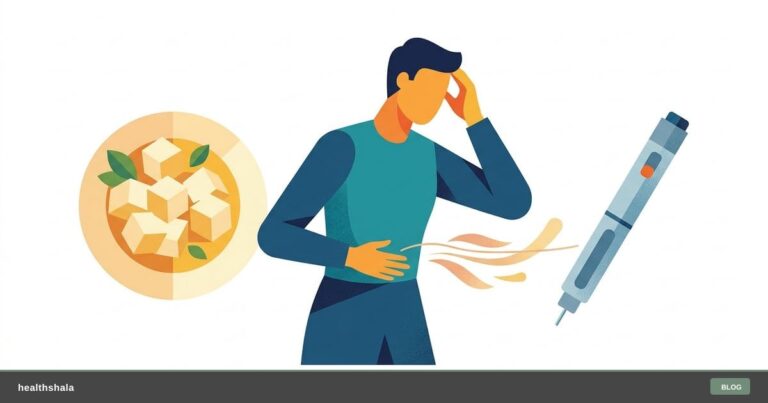
Your first Mounjaro injection goes fine. Day 3 hits and you can’t look at food without your stomach turning. You google “what to take for nausea” and find Western advice about crackers and ginger ale. but you’re Indian, you eat ghar ka khana, and you need actual medicine names that work in India.
For Mounjaro nausea at home in India, ondansetron (Emeset, Ondem) 4mg works fastest for severe nausea, domperidone (Domstal) 10mg handles bloating and reflux, and over-the-counter Pudin Hara or Gelusil manages mild stomach upset. Most users need ondansetron days 2-4 post-injection, then switch to domperidone or natural options as nausea lessens.
The real problem isn’t finding anti-nausea medicine. It’s knowing which one actually works for GLP-1 nausea specifically, when to take it relative to your injection cycle, and what’s available in Indian pharmacies without waiting for a doctor’s appointment when you’re too sick to leave bed.
Why Mounjaro Causes Nausea (And Why Generic Advice Fails)
Mounjaro (tirzepatide) works by activating GIP and GLP-1 receptors, which slow gastric emptying dramatically.
Your stomach literally takes longer to process food. What normally digests in 2 hours sits there for 4-5 hours. This is why you feel full faster. it’s also why you feel nauseous.
The nausea isn’t random. It follows a pattern most users don’t know exists:
- Days 0-1 post-injection: Minimal nausea, relatively normal appetite
- Days 2-4 post-injection: Peak nausea period, food aversion strongest
- Days 5-7 post-injection: Nausea lessens, appetite partially returns
Western anti-nausea advice focuses on bland foods and hydration. That’s incomplete for Indians dealing with family meals where everyone eats dal-chawal-sabzi together, not separate “nausea-friendly” meals.
You need medicine that works fast enough to let you eat dinner with your family on day 3, not dietary suggestions that require cooking separately.
The Three-Tier Medicine Protocol for Mounjaro Nausea
Based on injection cycle awareness and nausea severity, here’s what actually works in Indian homes:
Tier 1: Prescription Anti-Nausea (Severe Nausea, Days 2-4)
Ondansetron (Brand names: Emeset, Ondem, Ondancure)
This is the same medicine cancer patients use for chemotherapy nausea. It works by blocking serotonin receptors in your gut and brain that trigger nausea.
Dosage: 4mg tablet, take 30 minutes before meals on peak nausea days.
Why it works for GLP-1 nausea: Mounjaro’s mechanism causes delayed gastric emptying, which triggers serotonin release in the gut. Ondansetron blocks this specific pathway.
Indian pharmacy reality: Available over-the-counter in most chemists. Costs ₹30-50 for 10 tablets. Ask for “Emeset MD 4mg” (mouth-dissolving tablet) if swallowing pills makes nausea worse.
When to use: Reserve for days when you cannot keep water down or need to eat protein urgently to hit your muscle protection target.
Most Mounjaro users in India don’t know ondansetron exists over-the-counter. They suffer through peak nausea days eating nothing, losing muscle unnecessarily, when ₹40 of medicine would let them eat 1 katori dal without vomiting.
Tier 2: Prokinetic + Antacid (Moderate Nausea, Bloating, Reflux)
Domperidone (Brand names: Domstal, Vomistop, Domcolic)
This speeds up gastric emptying. the opposite of what Mounjaro does. It doesn’t stop nausea completely but reduces the bloated, “food sitting in stomach for hours” feeling.
Dosage: 10mg tablet, 15-30 minutes before meals, maximum 3 times daily.
Why it works: While Mounjaro slows your stomach, domperidone helps move food through faster. It’s especially useful if your main complaint is “I feel full after 3 bites” or “everything just sits there.”
Indian pharmacy reality: Over-the-counter, widely available. Costs ₹20-35 for 10 tablets.
Pair it with: Pantoprazole (Pan 40) or Esomeprazole (Nexpro 40) if you have acid reflux alongside nausea. GLP-1 medications increase reflux risk because food stays in your stomach longer, producing more acid.
Take the antacid first thing in the morning on an empty stomach. Take domperidone before meals when you know you need to eat but feel uncomfortably full.
Tier 3: Natural + OTC Options (Mild Nausea, Prevention)
Pudin Hara (Dabur)
Mentha-based digestive liquid. Works for mild stomach upset and the “uneasy stomach” feeling on low-nausea days.
Dosage: 1 teaspoon (5ml) mixed in water after meals.
When to use: Days 5-7 post-injection when nausea is mild but you want digestive support. Also useful preventatively before meals when you’re unsure if you’ll tolerate the food.
ENO or Gelusil
For immediate acid reflux relief. The fizz from ENO sometimes helps with the “stuck food” sensation.
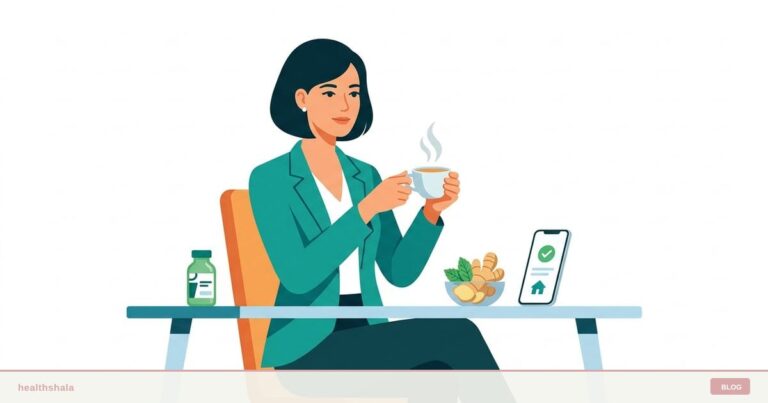
Ginger (Adrak) – But Make It Specific
Not ginger tea. Not ginger ale. Fresh ginger juice (1 teaspoon) mixed with honey (1 teaspoon) and warm water.
Or: Ginger murabba (candied ginger) from any Indian grocer. chew small pieces slowly when nausea hits.
Why this works when “ginger tea” doesn’t: Concentrated ginger compounds (gingerol, shogaol) need to be strong enough to affect gastric motility. Weak tea dilutes them too much.
The Injection-Day Medicine Schedule (What Actually Works)
Here’s the protocol Healthshala users follow to manage nausea while protecting muscle mass:
Day 0 (Injection Day):
- Take injection in the evening after dinner (not morning). This shifts peak nausea to days when you’re prepared.
- No anti-nausea medicine needed yet.
- Eat protein-rich dinner normally. this is your last easy meal for 3 days.
Days 1-2 (Early Side Effects):
- Morning: Pantoprazole 40mg on empty stomach (prevents reflux buildup)
- Before meals: Domperidone 10mg if you feel bloated
- Focus on liquid protein: lassi with protein powder, dal ka pani, paneer dissolved in warm milk
Days 3-4 (Peak Nausea):
- Morning: Ondansetron 4mg, 30 minutes before breakfast
- This is survival mode. your only job is getting 50-60g protein minimum
- Repeat ondansetron before dinner if needed (maximum 8mg per day)
- Eat protein in smallest tolerable portions: 2 tbsp paneer bhurji, half katori moong dal, 1 small bowl dahi
Days 5-7 (Recovery Phase):
- Switch from ondansetron to domperidone or natural options
- Gradually increase portion sizes
- This is when you catch up on protein targets
What Indian Doctors Don’t Tell You (But Should)
The FDA approval focused on weight loss efficacy, not post-prescription navigation support.
Indian endocrinologists prescribe Mounjaro, hand you the pen, and send you home. No nausea protocol. No “here’s what days 2-4 feel like” warning. No medicine recommendations.
The assumption is you’ll figure it out or call if it’s unbearable. But “unbearable” is subjective, and by the time you call, you’ve already skipped 3 days of protein and lost muscle you’ll never get back at the same rate.
The muscle loss problem nobody discusses:
GLP-1 medications cause rapid weight loss. Studies show tirzepatide results in significant weight reduction, but the composition of that weight loss depends entirely on protein intake during the process.
If you’re too nauseous to eat protein on days 2-4 of every injection cycle, that’s 12 days per month of inadequate protein. Over 3 months, that’s 36 days where your body has no choice but to break down muscle for amino acids.
This is why anti-nausea medicine isn’t optional. It’s muscle protection infrastructure.
The Three Mistakes Indians Make With Mounjaro Nausea
Mistake 1: Waiting until nausea is severe before taking medicine
You know day 3 post-injection will be bad. Take ondansetron preventatively 30 minutes before your first meal. Don’t wait until you’re already vomiting. the medicine works better before nausea peaks.
Mistake 2: Thinking “I should tough it out” or “nausea means it’s working”
Nausea doesn’t make Mounjaro work better. The medication works by receptor activation, not by making you feel sick. Managing nausea lets you eat protein. Eating protein protects muscle. That’s the entire point.
Mistake 3: Using only natural remedies when you need actual medicine
Ginger is fine for mild queasiness. But if you can’t eat a single roti without gagging on day 3, you need ondansetron, not adrak wala chai. There’s no medal for suffering through preventable nausea with home remedies when ₹40 of medicine solves it.
When to Call Your Doctor (Red Flags)
Most Mounjaro nausea is manageable at home. But call your doctor immediately if you experience:
- Vomiting more than 4-5 times in 24 hours despite ondansetron
- Unable to keep water down for more than 12 hours (dehydration risk)
- Severe abdominal pain that doesn’t improve with antacids
- Vomiting that looks like coffee grounds or contains blood
- Nausea that persists beyond day 6-7 post-injection at the same intensity
These symptoms suggest either dose adjustment needed or a separate medical issue unrelated to normal GLP-1 side effects.
The Real Solution: Structured Nutrition Around Your Injection Cycle
Anti-nausea medicine solves the immediate symptom. But the actual problem is: how do you hit 80-100g protein daily when half your week is spent feeling sick?
You need protein mapped to specific Indian food portions that work on low-appetite days.
You need to know that 1 small katori rajma + 2 tbsp paneer bhurji = 24g protein and is tolerable on day 4, while 2 whole rotis with the same sabzi = same protein but harder to finish when nauseous.
This is the work Western apps don’t do. They’ll tell you “chicken breast has 31g protein per 100g” but you don’t eat chicken breast, and even if you did, nobody eats 100g of anything on peak nausea days.
Most nutrition apps fail at tracking actual Indian meals with the portion specificity that matters on GLP-1s.
Track Protein in Katoris, Not Grams
The only app built for Indians eating dal-chawal-sabzi while protecting muscle on GLP-1s
Can I take ondansetron every day on Mounjaro?
Not recommended. Ondansetron is for peak nausea days (typically days 2-4 post-injection). Daily use can cause constipation, which is already a GLP-1 side effect. Use it strategically when you need to eat protein but feel too nauseous, then switch to domperidone or natural options as nausea lessens.
Which is better for Mounjaro nausea: Emeset or Domstal?
Emeset (ondansetron) works better for severe nausea when you can’t keep food down. Domstal (domperidone) works better for bloating, fullness, and moderate nausea. Most users need Emeset days 2-4, then switch to Domstal days 5-7. If you can only buy one, choose Emeset for peak nausea days. it’s more effective for the worst symptoms.
Do I need a prescription for ondansetron in India?
Technically yes, but most chemists sell Emeset/Ondem over-the-counter without strictly checking for prescriptions. If your chemist asks, request “Emeset MD 4mg” and mention it’s for nausea. they’ll usually provide it. If they refuse, visit a different pharmacy or get a quick prescription from any GP (costs ₹200-300 for a consultation).
Will anti-nausea medicine stop Mounjaro from working?
No. Mounjaro works by activating GIP and GLP-1 receptors to regulate blood sugar and slow gastric emptying. Ondansetron blocks serotonin receptors that cause nausea. completely different mechanism. Taking anti-nausea medicine doesn’t interfere with Mounjaro’s weight loss or blood sugar effects. You’ll still lose weight; you’ll just feel less sick while doing it.
What should I eat after taking ondansetron on Mounjaro?
Focus on protein-rich foods that are easier to digest: 1 small katori moong dal, 2-3 tbsp paneer bhurji, half cup dahi with fruit, or protein-fortified lassi. Avoid heavy curries, fried foods, or large rotis immediately after ondansetron. The medicine stops nausea but doesn’t increase your appetite. eat small protein portions frequently rather than one large meal. Aim for 20-25g protein within 2 hours of taking the medicine.
How long does Mounjaro nausea last each week?
Most users experience a predictable pattern: minimal nausea days 0-1 post-injection, peak nausea days 2-4, then gradual improvement days 5-7 until the next injection. Nausea typically lessens after 8-12 weeks as your body adapts, but the first 3-4 injection cycles are the hardest. Having a medicine protocol for days 2-4 makes the entire process manageable instead of miserable.