The Only High-Protein Indian Food Guide You Need on Ozempic (Without Losing Muscle)
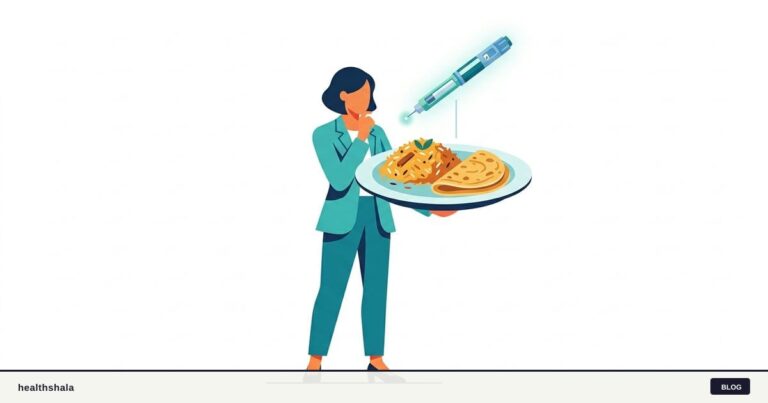
Your endocrinologist handed you an Ozempic prescription and said “eat more protein.” Three weeks later, you’re down 4 kilograms but can barely stomach your usual dal-chawal, your favourite paneer sabzi makes you nauseous, and you have no idea if the rotis you’re forcing down are protecting your muscle or wasting it.
The best high-protein Indian foods for Ozempic users are paneer (18g protein per 100g), moong dal (24g per 100g cooked), eggs (6g per piece), Greek yoghurt (10g per 100g), and soya chunks (52g per 100g dry). These foods are nausea-friendly, portion-measurable in katoris, and muscle-protective during rapid GLP-1 weight loss.
Why Protein Math Changes Everything on Ozempic
Ozempic doesn’t just suppress appetite.
It fundamentally alters how your body processes food, triggering a metabolic shift that burns fat and muscle simultaneously unless you’re actively protecting lean tissue through strategic protein intake. Most users lose 10-15% of their body weight in the first 90 days, but without adequate protein, up to 40% of that loss comes from muscle.
The brutal paradox: you need to eat MORE protein precisely when Ozempic makes you want to eat LESS of everything.
Here’s the protein target that matters. You need 1.6-2.2 grams of protein per kilogram of your goal weight (not current weight) to maintain muscle during rapid weight loss. For someone targeting 70kg, that’s 112-154 grams daily. In Indian food terms:
- 3 katoris of cooked dal = 36g protein
- 150g paneer bhurji = 27g protein
- 3 whole eggs = 18g protein
- 200ml Greek yoghurt = 20g protein
- Total = 101g before dinner
The difference between muscle preservation and muscle loss isn’t willpower. It’s protein visibility in the food you’re already eating.
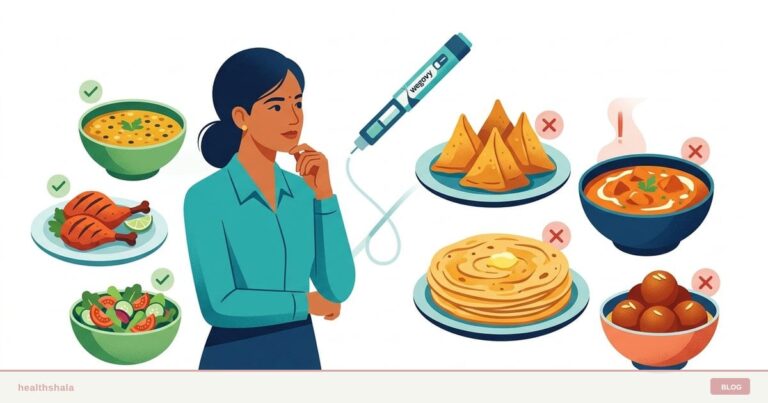
The 6 Indian Foods That Protect Muscle When Nausea Peaks
Not all high-protein foods work during Ozempic’s side-effect window.
Paneer: The Nausea-Day Protein Anchor
100g paneer delivers 18g protein and goes down easier than chicken on bad days. Room temperature paneer cubes require zero cooking, no smell triggers, and pack more protein per bite than any other vegetarian option.
Practical portions: 50g paneer cubes (9g protein) as mid-morning snack, 100g paneer bhurji with 1 roti for lunch (27g total with roti), 75g grilled paneer tikka for dinner (13.5g). That’s 49.5g from paneer alone.
On Week 3 when nausea peaks, paneer becomes your default because it’s protein-dense in small volumes.
Moong Dal: The Digestible Protein Baseline
One katori of cooked moong dal (approximately 150g) contains 12g protein. Moong dal’s fibre content slows digestion and prevents blood sugar spikes, working synergistically with Ozempic’s glucose control mechanism.
Unlike rajma or chole which can feel heavy when you’re nauseous, moong dal soup digests easily. Add 1 teaspoon ghee for fat-soluble vitamin absorption without triggering reflux.
The math: 2 katoris of dal across lunch and dinner = 24g protein. Consistent, measurable, nausea-compatible.
Eggs: The 6-Gram Protein Unit
Each whole egg is exactly 6g protein. No weighing required.
Boiled eggs eliminate cooking smells that trigger Ozempic nausea. Egg bhurji with minimal oil works when you need volume. Scrambled eggs with moong dal creates a complete amino acid profile in one meal.
Eggs naturally boost GLP-1 and PYY hormones, the same satiety signals Ozempic activates. You’re reinforcing the medication’s effect through food choice.
Breakfast template: 3 egg bhurji (18g) + 1 slice brown bread (3g) + 50g paneer cubes (9g) = 30g protein in one meal, even when appetite is minimal.
Greek Yoghurt: The Probiotic Protein Reset
Standard dahi has 3-4g protein per 100g. Greek yoghurt delivers 10g.
This matters because Ozempic slows gastric emptying, potentially disrupting gut bacteria. Greek yoghurt’s probiotics support digestion while tripling protein density compared to regular curd.
Evening snack formula: 200ml Greek yoghurt (20g protein) + 1 tablespoon chia seeds (2g protein) + 5 almonds (1g protein). That’s 23g protein in a bowl you can eat while watching TV, requiring zero appetite.
Soya Chunks: The Emergency Protein Reserve
50g dry soya chunks (approximately 1 cup rehydrated) contains 26g protein.
On days when you’ve eaten minimal protein by evening and need to hit your target, soya chunks rescue the day. Soya tikki masala, soya pulao, or soya keema style with minimal oil. all deliver concentrated protein in small portions.
Warning: soya can feel heavy. Use it strategically 2-3 times weekly, not daily.
Chicken Breast: When You Can Stomach It
100g chicken breast is 31g protein, the highest density on this list.
But here’s the reality: cooking smells trigger nausea for many Ozempic users, and chicken requires appetite. When nausea subsides (usually Week 6-8), grilled chicken tikka or chicken keema becomes a high-efficiency protein source.
Until then, paneer and eggs carry you through the rough window.
The best protein source isn’t the one with the highest grams per 100g. It’s the one you can actually eat on your worst nausea day while still hitting your muscle-protection target.
How to Structure Daily Protein Around Ozempic Side Effects
Ozempic’s nausea follows a predictable pattern.
Peak nausea occurs 24-72 hours post-injection. Days 4-6 improve slightly. By Day 7 (next injection day), you have a brief appetite window before the cycle restarts.
Your protein strategy must map to this cycle:
Days 1-3 (High Nausea): Survival Mode
- Breakfast: 2 boiled eggs (12g) + 1 slice toast (3g) = 15g
- Mid-morning: 50g paneer cubes (9g)
- Lunch: 1 katori moong dal (12g) + 1 roti (3g) = 15g
- Evening: 200ml Greek yoghurt (20g)
- Dinner: 1 katori dal (12g) + 75g paneer sabzi (13.5g) = 25.5g
- Daily total: 96.5g protein
Below your 112g target, but acceptable during acute nausea. You’re not building muscle these days. you’re preventing loss.
Days 4-6 (Moderate Appetite): Catch-Up Window
- Breakfast: 3 egg bhurji (18g) + 50g paneer (9g) + 1 roti (3g) = 30g
- Mid-morning: Protein smoothie with 200ml Greek yoghurt (20g) + 1 scoop whey if tolerated (20g) = 40g
- Lunch: 1.5 katoris rajma (18g) + 1 roti (3g) = 21g
- Evening: 30g roasted chana (7g)
- Dinner: 100g grilled chicken (31g) OR soya chunk curry (26g) + sabzi
- Daily total: 125-129g protein
This makes up for Days 1-3 deficit. Your weekly average matters more than daily perfection.
Day 7 (Pre-Injection): Maximum Intake Day
Appetite peaks before your next injection. Front-load protein.
- Breakfast: 3 eggs + 100g paneer bhurji + 2 rotis = 45g protein
- Lunch: 2 katoris dal + 100g chicken curry = 55g protein
- Dinner: Early, light meal before injection timing affects next-day appetite
This weekly cycling. survival, catch-up, front-load. keeps your average protein above muscle-protection threshold even when individual days fall short.
The Protein-Per-Katori Framework That Actually Works
MyFitnessPal makes you weigh dal in grams. You eat it in katoris.
This translation gap is why most Ozempic users underestimate protein intake by 30-40%. They’re eating adequate portions but can’t see the protein math in their own food.
Healthshala’s approach solves this by converting protein into Indian portion units:
Standard Katori Measurements (150ml serving bowl):
- 1 katori cooked moong/toor/masoor dal = 12g protein
- 1 katori rajma/chole/kala chana = 12-15g protein
- 1 katori curd = 5-6g protein (Greek = 15g)
- 100g paneer (approximately palm-sized block) = 18g protein
- 1 roti (35g) = 3g protein
- 1 cup cooked rice (200g) = 4g protein
Piece-Based Counting:
- 1 whole egg = 6g protein (exactly, every time)
- 1 chicken drumstick (100g) = 28g protein
- 1 idli (40g) = 2g protein
- 1 dosa (plain, 50g) = 3g protein
When you think in katoris and pieces instead of grams, protein tracking becomes sustainable. You know 2 katoris dal + 3 eggs + 75g paneer = 55g protein without opening an app.
This is muscle-protective eating translated into how Indians actually cook and serve food.
What Happens to Your Muscle in the 90-Day Window
Most Ozempic users obsess over the scale number dropping.
The critical question isn’t how much weight you’ve lost. It’s how much of that loss came from fat versus muscle.
Research on GLP-1 medications and body composition shows that without adequate protein and resistance training, 25-40% of weight loss is lean tissue. For someone losing 10kg, that could be 2.5-4kg of muscle.
You feel this as:
- Weakness climbing stairs despite being lighter
- Loose skin that won’t tighten because muscle underneath is gone
- Weight loss plateau at Month 4 because reduced muscle mass lowered your metabolism
- Rapid weight regain post-medication because you have less muscle burning calories at rest
The 90-day window from first injection to third prescription refill is when this damage either happens or gets prevented. Your protein intake during this period determines whether you emerge from Ozempic as a smaller, weaker version of yourself or as someone who’s lost fat while maintaining functional strength.
This is why generic “eat more protein” advice fails. You need specific numbers, portion-based tracking in your actual food system, and a strategy for the days when nausea makes protein intake feel impossible.
Track Your Protein in Katoris, Not Grams
Healthshala translates muscle-protective nutrition into Indian food portions you actually eat
Frequently Asked Questions
How much protein do I need daily on Ozempic to prevent muscle loss?
You need 1.6-2.2 grams of protein per kilogram of your goal weight. For someone targeting 70kg, that’s 112-154 grams daily. This translates to approximately 2-3 katoris of dal, 100-150g paneer, and 3-4 eggs spread across your meals. During high-nausea days (Days 1-3 post-injection), aim for the lower end (112g minimum). On better-appetite days, push toward 130-140g to compensate.
Can I get enough protein from vegetarian Indian food alone on Ozempic?
Yes, but it requires strategic planning. Combine paneer (18g per 100g), moong dal (24g per 100g cooked), Greek yoghurt (10g per 100g), soya chunks (52g per 100g dry), and eggs if you’re eggetarian. A sample day: 3 eggs (18g) + 2 katoris dal (24g) + 100g paneer (18g) + 200ml Greek yoghurt (20g) + 30g roasted chana (7g) = 87g protein. Add 2-3 rotis (9g) and you’re at 96g minimum. On better appetite days, increase portions to hit 120-130g.
What are the best protein sources when Ozempic nausea is worst?
Room-temperature paneer cubes, boiled eggs (no cooking smell), moong dal soup (light and digestible), and Greek yoghurt. Avoid heavy foods like rajma, chole, or chicken during peak nausea (24-72 hours post-injection). Paneer requires no preparation, eggs can be boiled in advance, and dal soup goes down easily even when appetite is minimal. Focus on small, frequent portions. 50g paneer every 3 hours delivers 9g protein per serving without overwhelming your system.
How do I know if I’m losing muscle or just fat on Ozempic?
Track these signs: difficulty climbing stairs despite lower weight, clothes fitting loosely but body looking soft (not toned), feeling weaker during daily activities, or hitting a weight loss plateau by Month 3-4. Ideally, get a body composition scan (DEXA or bioelectrical impedance) before starting Ozempic and again at 90 days. If lean body mass drops more than 2-3kg while losing 10kg total, you’re under-eating protein. Most muscle loss happens in the first 90 days when rapid weight loss outpaces protein intake.
Should I take protein powder with Ozempic or stick to food sources?
Whole food sources are better because they provide satiety and nutrients, but protein powder fills gaps strategically. On high-nausea days when you’re 30-40g short of your target, 1 scoop whey protein (20-25g protein) mixed in Greek yoghurt or a smoothie rescues the day. Choose unflavoured or lightly flavoured options as strong tastes can trigger nausea. Use powder as supplementary, not primary. aim for 60-70% protein from paneer, dal, eggs, and yoghurt, with powder covering the remaining 30-40g when appetite fails.
Can I eat rice and roti while on Ozempic or will it slow weight loss?
Yes, but prioritise protein first. Each roti provides 3g protein, rice provides 4g per cup. they’re not enemies, just lower-density protein sources. The mistake is filling up on rice/roti before hitting your protein target. Structure meals as: protein first (dal, paneer, eggs), then add 1-2 rotis or half cup rice. On high-nausea days, skip rice entirely and use rotis sparingly. On better appetite days, include moderate portions. Carbs aren’t the problem on Ozempic. inadequate protein while losing weight rapidly is.