How to Stop Vomiting on Ozempic: 12 Indian Home Remedies That Actually Work
You’re four days into your first week on Ozempic and you can’t keep down breakfast.
Your doctor said nausea was “common” but didn’t mention you’d be spending mornings hunched over the sink, terrified to eat, watching your muscle disappear along with the fat. Western forums suggest crackers and ginger ale. but you need actual Indian solutions that work with dal, roti, and the foods your family cooks daily.
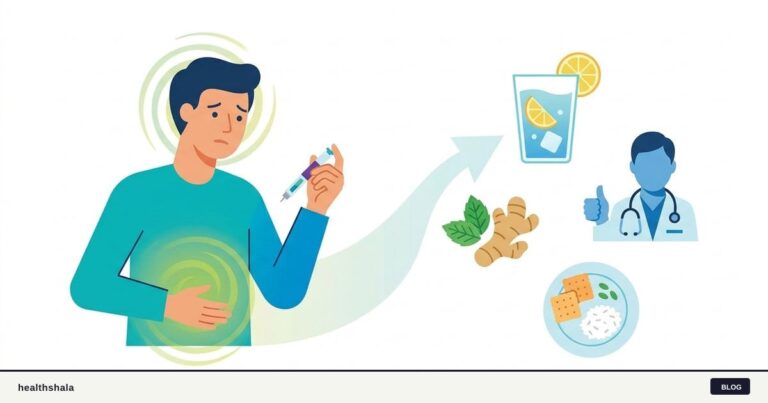
The most effective Indian home remedies for Ozempic-induced vomiting are jeera-ajwain water (1 tsp each boiled in 2 cups water, sipped every 2 hours), chilled salted chaas without spices, small servings of moong dal khichdi with ghee, fresh pudina-adrak tea, and eating protein-first in tiny portions every 90 minutes instead of three full meals. These remedies calm GLP-1-triggered nausea while maintaining the protein intake essential for muscle protection during rapid weight loss.
Why Ozempic Makes You Vomit (And Why Indian Bodies Experience It Differently)
Semaglutide. the active compound in Ozempic. slows gastric emptying by up to 70%.
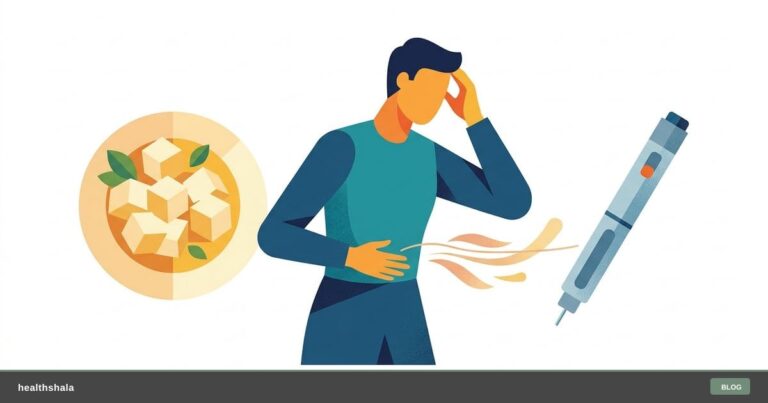
Your stomach takes nearly twice as long to process food. A meal that normally clears in 90 minutes now sits for 3-4 hours, creating constant nausea that builds into vomiting. GoodRx reports that 44% of Ozempic users experience nausea in the first 8 weeks, with 15-20% progressing to vomiting severe enough to disrupt daily eating.
The problem intensifies for Indians eating traditional meals.
A standard dal-chawal-sabzi thali contains 45-60g of complex carbohydrates that require extended digestion. On Ozempic, that same meal becomes a 5-hour gastric burden. Add heavy spices, fried toppings, or oil-rich gravies, and your slowed stomach simply can’t cope. Healthline notes that high-fat and heavily spiced foods significantly worsen GLP-1 medication side effects. yet these are staples in Indian cooking.
But here’s what Western sources miss entirely: vomiting on Ozempic isn’t just uncomfortable. it’s actively destroying your muscle mass.
When you vomit or skip meals due to nausea, you’re not hitting the 1.2-1.6g protein per kg body weight needed to preserve lean tissue during GLP-1-driven fat loss. The drug is working exactly as designed. suppressing appetite, accelerating weight loss. but without adequate protein intake, 25-40% of that weight loss comes from muscle breakdown, not fat.
Most Indian Ozempic users don’t fail because they lack discipline. They fail because nobody’s told them that their usual 1 katori rajma-chawal dinner provides only 18g protein when they need 35g minimum. and vomiting that meal leaves them in dangerous muscle-loss territory.
12 Indian Home Remedies That Stop Vomiting Without Stopping Weight Loss
1. Jeera-Ajwain Water (The 2-Hour Sip Protocol)
Boil 1 tsp jeera + 1 tsp ajwain in 2 cups water for 5 minutes.
Strain and cool to room temperature. Sip 3-4 tablespoons every 2 hours throughout the day. not in large gulps. Both jeera and ajwain contain carminative compounds that relax gastric muscles and accelerate the delayed emptying caused by semaglutide. This isn’t placebo; it’s targeted relief for GLP-1-specific digestive slowdown.
Critical timing: Start this the morning after your injection, before nausea peaks.
2. Salted Chaas (No Masala, Chilled, Protein-Preserved)
Mix 1 cup fresh dahi with 1 cup cold water and 1/4 tsp salt.
Skip the jeera powder, skip the hing, skip the green chillies. When you’re actively nauseous, plain salted chaas does two critical things: it delivers 6-7g protein from the dahi without requiring chewing (which can trigger vomiting), and the cold temperature numbs gastric irritation. Drink it slowly over 10-15 minutes.
One cup of salted chaas keeps your daily protein score from dropping into the red zone even when solid food is impossible.
3. Moong Dal Khichdi With Ghee (The Safe Meal)
This is your baseline meal on bad injection days.
Cook 1/4 cup moong dal + 1/4 cup rice with minimum water until mushy. Add 1 tsp ghee and a pinch of salt. nothing else. The ghee isn’t optional; it coats the stomach lining and reduces acid reflux that worsens vomiting. One small katori (150g) provides 8-9g protein and digests in under 2 hours even on slowed Ozempic metabolism.
Medical News Today confirms that soft, low-fiber starches with moderate fat are the best-tolerated foods during GLP-1 nausea. khichdi is the Indian equivalent of their “white rice and plain chicken” recommendation, but with actual protein.
4. Pudina-Adrak Tea (Fresh Only, No Sugar)
Crush 8-10 fresh pudina leaves + 1-inch fresh adrak.
Boil in 1 cup water for 3 minutes. Strain and sip warm. Virta Health notes that ginger has been clinically shown to reduce nausea. but they miss that mint (pudina) specifically counters the bile reflux common with delayed gastric emptying. Fresh is non-negotiable; dried pudina and ginger powder don’t deliver the volatile oils needed.
Drink this 20 minutes before attempting any meal with protein.
5. Protein-First Micro-Meals (Every 90 Minutes)
Forget three meals. Your Ozempic-slowed stomach can’t handle them.
Instead: 2 boiled egg whites at 9am. 1 cup salted chaas at 11am. 1 small katori khichdi with dahi at 1pm. 1 piece grilled paneer at 3pm. 1/2 cup moong sprouts with lemon at 5pm. Each portion is small enough to avoid triggering the vomit reflex but frequent enough to hit 80-90g total daily protein. the minimum for muscle protection.
Healthshala tracks this automatically in Indian portions, showing you if each micro-meal kept your muscle score green.
6. Aam Panna (Without Sugar, With Black Salt)
Boil 1 raw mango until soft. Scoop out pulp and blend with 2 cups water, 1/2 tsp roasted jeera powder, and 1/4 tsp black salt.
The raw mango’s tartness cuts through metallic-taste nausea (a specific Ozempic side effect), while black salt replenishes sodium lost through vomiting. Sip chilled in small amounts. This doesn’t add protein but makes protein-rich foods more tolerable by neutralizing the persistent “food tastes wrong” sensation.
7. Overnight-Soaked Badam (5 Pieces, Peeled)
Soak 5 almonds overnight. Peel and eat slowly first thing in the morning.
Each badam delivers 1g protein and healthy fats that calm stomach acid without triggering nausea. The key is eating them on an empty stomach before the nausea wave builds. Don’t eat 10 or 15. the volume will backfire. Five peeled badams are enough to stabilize blood sugar and reduce morning bile reflux.
8. Coconut Water (Room Temperature, Not Cold)
Drink 1/2 cup fresh coconut water at room temperature when vomiting depletes electrolytes.
Not the packaged kind with added sugar. Fresh nariyal pani replenishes potassium and prevents the dehydration-nausea cycle that makes Ozempic vomiting spiral. Cold liquids can shock a sensitive stomach. room temperature is absorbed faster without triggering more nausea.
9. Dahi-Chura (The Bengali Secret Weapon)
Soak 1/2 cup poha (flattened rice) in water for 2 minutes. Drain and mix with 1/2 cup fresh dahi and a pinch of salt.
This gives you 10-11g protein from the dahi, plus easily digestible carbs from the poha that don’t sit heavy in your slowed stomach. The texture is soft enough to eat even when chewing feels impossible. One small bowl is a complete micro-meal on injection days.
10. Saunf Water (Post-Meal Nausea Blocker)
Boil 1 tsp saunf (fennel seeds) in 1 cup water for 5 minutes. Strain and sip after meals.
Saunf reduces gas and bloating that worsen with delayed gastric emptying. Bolt Pharmacy UK identifies post-meal bloating as a major vomiting trigger on GLP-1 medications. saunf water directly counters this by relaxing intestinal muscles and moving food through faster.
11. Sattu Drink (The Protein Rescue)
Mix 2 tbsp sattu powder in 1 cup cold water with salt and a squeeze of lemon.
Sattu (roasted gram flour) delivers 7-8g protein per 2 tbsp in liquid form. easier to keep down than solid food when nausea peaks. It’s filling without being heavy, and the cold temperature + salt combo makes it surprisingly tolerable even on your worst injection days. This is emergency protein when you’ve vomited your planned meal.
12. Amla Murabba (1 Piece, Morning Only)
Eat 1 small piece of amla murabba (Indian gooseberry preserve) in the morning.
Amla’s vitamin C content reduces oxidative stress in the stomach lining, which gets inflamed during repeated vomiting episodes. The small amount of sugar in murabba prevents the blood sugar crashes that intensify nausea. One piece. not the whole jar. This is medicinal, not a snack.
What Doesn’t Work (Stop Wasting Time on These)
Avoid these common “remedies” that fail specifically for Ozempic-induced vomiting:
- Fried pakoras or namkeen: High fat content sits in your already-delayed stomach for 6+ hours and guarantees vomiting
- Carbonated drinks (Sprite, 7UP): Gas expands in your stomach and worsens nausea; the sugar spikes then crashes blood glucose
- Heavy masala chai: Milk + sugar + strong spices is the worst possible combination for a GLP-1-slowed digestive system
- Large quantities of fruit: Fructose on an empty stomach worsens nausea; fiber volume triggers fullness too quickly
- Skipping meals entirely: This crashes your protein intake and accelerates muscle loss. the opposite of your goal
When Home Remedies Aren’t Enough (Red Flags You Need Medical Help)
Stop attempting home management if you experience any of these:
- Vomiting more than 3 times in 24 hours: This indicates severe gastric intolerance requiring dose adjustment or medication change
- Unable to keep down any liquids for 12+ hours: Dehydration risk becomes dangerous; IV fluids may be necessary
- Blood in vomit: Suggests gastric ulceration or esophageal tearing. seek immediate medical attention
- Severe abdominal pain with vomiting: Could indicate pancreatitis, a rare but serious Ozempic side effect
- Weight loss exceeding 2kg per week: Too rapid for safe muscle preservation regardless of nausea management
Track your daily protein intake even on vomiting days. if you’re consistently under 60g daily, your muscle loss is accelerating and your dose needs medical review.
The Muscle Protection Protocol for Bad Injection Weeks
Your goal isn’t to eliminate all nausea. that’s unrealistic on Ozempic.
Your goal is to keep eating enough protein to protect muscle while the nausea runs its course. Here’s the minimum viable protocol for injection weeks when vomiting is likely:
Morning (within 1 hour of waking): 5 soaked peeled badams + jeera-ajwain water
Mid-morning: 1 cup salted chaas or sattu drink
Lunch: 1 small katori moong dal khichdi with ghee + pudina-adrak tea before eating
Afternoon: 2 boiled eggs (whites only if yolks trigger nausea) or 1 piece grilled paneer
Evening: 1/2 cup dahi-chura or moong sprouts with lemon
Before bed: Saunf water if any post-dinner nausea persists
This protocol delivers 70-80g protein in small, tolerable portions. enough to keep your muscle protection score in the safe zone even when full meals are impossible.
Stop Guessing If Your Meals Protect Your Muscle
Healthshala translates every Indian meal into your daily Muscle Protection Score. green means safe, red means muscle loss risk.
Frequently Asked Questions
How long does Ozempic nausea last?
Most users experience peak nausea during the first 4-8 weeks as the body adjusts to semaglutide. Nausea typically improves after the initial titration period but may return temporarily with each dose increase. For some users, mild nausea persists throughout treatment. this is when switching to micro-meals and using home remedies becomes essential for maintaining adequate protein intake.
Can I reduce my Ozempic dose to stop vomiting?
Never adjust your dose without consulting your prescribing doctor. However, if you’re vomiting more than 3 times per 24 hours or unable to maintain basic nutrition, contact your doctor immediately. they may reduce your dose temporarily or slow the titration schedule. Most doctors prefer managing nausea with dietary modifications first before changing the medication protocol.
Should I take anti-nausea medication with these home remedies?
Home remedies and prescription anti-nausea medications (like ondansetron) work through different mechanisms and can be used together safely. The home remedies address GLP-1-specific digestive slowdown, while anti-nausea medications block vomiting signals in the brain. Combine both for severe nausea, but always inform your doctor about all remedies you’re using to avoid potential interactions.
Why do Indian meals make Ozempic nausea worse than Western foods?
Traditional Indian meals are often higher in volume, fiber, and fat content compared to the plain proteins and simple carbs typically recommended for GLP-1 nausea management. A standard thali with multiple sabzis, dal, roti, and rice creates a larger gastric load that takes longer to process when stomach emptying is already delayed by 70%. Additionally, heavy spices and oil-based gravies can irritate an already-sensitive stomach lining. The solution isn’t abandoning Indian food. it’s eating smaller portions of simplified versions like plain khichdi, unseasoned dahi, and grilled paneer instead of complex curries.
How much protein do I actually need to prevent muscle loss if I’m vomiting frequently?
The minimum is 1.2g protein per kg of your current body weight daily, even on vomiting days. For a 70kg person, that’s 84g protein. roughly equivalent to 3 cups dahi + 2 boiled eggs + 1 katori moong dal + 1 piece paneer spread across the day in small portions. Going below 60g daily for more than 3 consecutive days puts you at high risk for muscle loss regardless of how much fat you’re losing. If vomiting prevents you from hitting 80g protein for a full week, you need medical intervention to adjust your Ozempic dose. home remedies alone won’t solve severe gastric intolerance.
Can I drink regular chai or coffee on Ozempic?
Avoid heavy masala chai with full-fat milk and sugar. the combination of dairy fat, sugar, and strong spices is particularly hard on a GLP-1-slowed stomach. If you need caffeine, try black coffee or weak green tea without milk. If you must have chai, make it with 1/4 cup low-fat milk, no sugar, and skip the heavy masala. The caffeine itself isn’t the problem; it’s the volume and richness of traditional chai preparation that triggers nausea.