The Expert Guide to is ozempic vegan
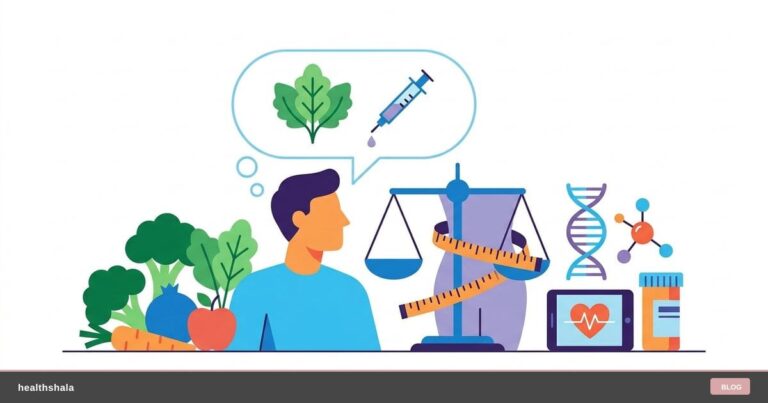
Ozempic contains no animal-derived ingredients in its formulation, but it’s tested on animals during development. which means strict vegans who avoid all animal exploitation cannot consider it vegan, while plant-based eaters focused solely on diet can use it without compromising their food choices.
Ozempic (semaglutide) is vegan from a dietary perspective. it contains no animal products, gelatin, or lactose. However, like all prescription medications, it underwent animal testing during FDA approval, which conflicts with ethical vegan principles against animal exploitation. Indian vegetarians focused on food choices can use it without issues, but committed vegans must decide whether medical necessity outweighs animal testing concerns.
Why the Vegan Question Matters More for Indian GLP-1 Users
Most Westerners asking “is Ozempic vegan” are sorting out personal ethics.
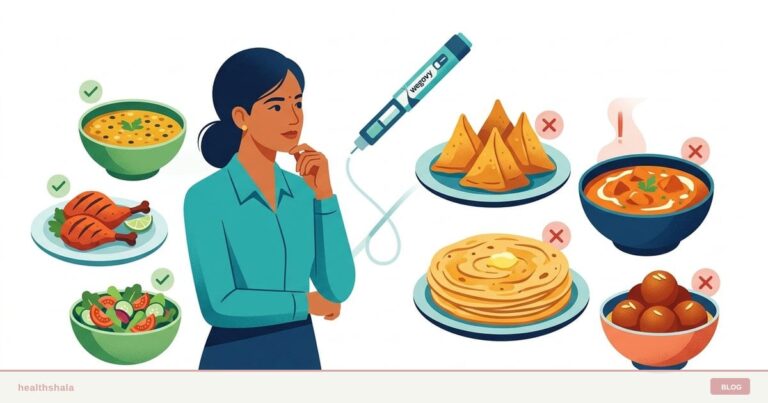
Indian users are solving a different problem: they’re vegetarian (often pure veg), starting a medication that suppresses appetite dramatically, and terrified they’ll lose muscle because their family’s dal-roti diet suddenly feels inadequate against nausea.
The real question isn’t whether the injection contains animal products. It’s whether you can protect muscle on GLP-1s while eating only plant-based Indian food. no eggs, no chicken, no protein powder (most contain whey).
Self-reported obesity in the US has fallen nearly 3 percentage points since GLP-1 drugs became widely available. But that weight loss includes muscle if protein intake drops. and it drops fast when nausea makes food repulsive.
For Indian vegetarians on Mounjaro or Ozempic, the medication is technically plant-based compatible, but the nutrition strategy requires different thinking than standard “eat more protein” advice built for meat-eaters.
What’s Actually Inside Ozempic (The Ingredients That Matter)
Semaglutide, the active ingredient in Ozempic, is a synthetic peptide manufactured in a lab.
It mimics a human hormone (GLP-1). No animal tissue involved in production.
The inactive ingredients in Ozempic pens:
- Disodium phosphate dihydrate
- Propylene glycol
- Phenol
- Water for injection
All synthetic. No gelatin capsules (it’s injectable). No lactose fillers. No stearates derived from animal fat.
From a compositional standpoint, Ozempic is as vegan as aspirin.
The ethical complication: pharmaceutical regulations require animal testing before human trials. Ozempic was tested on rats and monkeys during development. This is non-negotiable for FDA approval of any new drug.
Strict ethical vegans oppose all animal exploitation, including medical research. By that definition, Ozempic fails the vegan test. not because of what’s in it, but because of how it was validated.
Indian context: most vegetarians in India follow dietary vegetarianism (food choices) rather than Western ethical veganism (lifestyle philosophy). If you eat paneer, wear leather chappals, and take doctor-prescribed medication without checking animal testing history, Ozempic poses no conflict.
The Protein Problem Every Indian Vegetarian on GLP-1s Faces
This is where “vegan-compatible medication” becomes a practical disaster if you don’t plan carefully.
About 1 in 8 US adults tried a GLP-1 drug in 2024, and many report that high-protein foods. the ones doctors recommend to prevent muscle loss. become nauseating on the medication.
For meat-eaters, that’s annoying. Chicken tastes bad for a few weeks.
For Indian vegetarians, it’s structural. Your primary protein sources are:
- Dal (various lentils)
- Rajma, chole, other beans
- Paneer
- Curd/dahi
- Milk
When nausea hits hard on Mounjaro, dal smells too strong. Paneer feels too heavy. Milk makes you queasy.
You default to “safe” foods: plain khichdi, curd rice, toast. Carb-heavy, protein-light.
Within 4-6 weeks, you’re losing weight rapidly (good), but your arms look thinner, stairs feel harder, and you’re dropping muscle along with fat (bad).
The medication is vegan. The muscle-protection strategy for vegetarians is not obvious. and most doctors prescribing Ozempic have no idea what a katoi of dal contains.
Standard GLP-1 nutrition advice assumes you’ll eat eggs, Greek yogurt, grilled chicken. None of that applies to lakhs of Indian vegetarians now starting these medications.
The solution requires knowing exactly which plant proteins you can tolerate on nausea days, in what portions, without triggering more queasiness. That’s not a philosophical vegan question. it’s a daily tracking problem requiring Indian food literacy.
Nausea-Safe Veg Proteins That Work on GLP-1 Hard Days
When even the smell of tadka makes you gag, these plant proteins stay tolerable:
Moong dal khichdi with extra dal ratio. Cook 1 part rice to 1 part moong dal (not the usual 2:1). Half katoi delivers 8g protein. Mild flavour, easy digestion, doesn’t trigger nausea like heavily spiced rajma.
Hung curd (chakka dahi). Regular dahi has 6g protein per cup. Hung curd concentrates it to 11g per half cup because you’ve drained the whey. Eat it plain with a pinch of salt, or mix with cucumber. Cold, bland, gentle on the stomach.
Roasted chana (no masala). Quarter cup gives 6g protein. Crunchy, dry, no cooking smell. You can keep it in your bag and eat 5-6 pieces when nothing else appeals.
Besan chilla (thin, minimal oil). One large chilla made from 3 tablespoons besan delivers 7g protein. Make it plain. skip the onion-tomato if they’re triggering nausea. Tastes better than it sounds when you’re desperate.
Tofu (if you’re in a metro with access). 100g plain tofu has 10g protein. Steam it with soy sauce. No cooking fumes, no heavy spices, pure protein.
These aren’t exciting foods. They’re insurance against muscle loss when Mounjaro makes your usual paneer butter masala inedible.
Research shows GLP-1 users significantly reduce grocery spending because they eat less overall. Indian vegetarians need to spend the same but buy differently. more dal, less rice, more protein-dense veg options even if portions shrink.
Why “Vegan Ozempic Diet Plans” From Western Sources Fail Indian Users
Google “vegan diet on Ozempic” and you’ll find meal plans built around:
- Tempeh (unavailable in most Indian cities)
- Seitan (what even is that)
- Nutritional yeast (not sold in local kirana stores)
- Quinoa bowls (expensive, unfamiliar, nobody’s mother makes this)
- Protein smoothies with vegan powder (₹3000/kg, tastes chalky, causes more nausea)
These guides assume you’re in California with access to Whole Foods and a $200 weekly grocery budget.
Indian reality: you’re eating ghar ka khana, your family cooks for everyone (not customised meals), and the grocery budget hasn’t changed just because you started an injection.
The actual vegetarian Ozempic strategy requires working within your existing food system. More moong dal in the khichdi. An extra piece of paneer (when tolerable). Switching from white rice to rajma-rice to boost protein by 7g per meal without changing the meal structure your family recognizes.
Western vegan guides also ignore the Indian vegetarian advantage: plant-based meals naturally increase GLP-1 levels more than meat-based meals. Your body already produces more of the hormone Ozempic mimics when you eat dal-roti versus chicken.
You don’t need to import foreign superfoods. You need to track the Indian foods you already eat in portions that protect muscle. which means knowing that your dinner plate had 15g protein (safe) versus 6g (losing muscle slowly).
The Real Vegan Conflict: Muscle Loss vs. Medication Ethics
Ethical vegans debating whether to take Ozempic face a values conflict.
The medication was tested on animals. That’s settled fact.
But severe obesity and diabetes also involve animal-derived treatments: insulin (often from animal sources historically), surgeries using animal-tested anesthesia, complications requiring medications all tested on animals.
Most vegans accept medical necessity exceptions. You can oppose animal testing philosophically while acknowledging that refusing all animal-tested medicine means refusing antibiotics, painkillers, and life-saving drugs.
The Indian vegetarian using Ozempic faces a different conflict: medication ethics aren’t the issue, but muscle preservation is.
By 2024, tens of millions of family members lived with someone on GLP-1s. In Indian households, that means the person on Mounjaro is eating separate meals (protein-focused) while the family eats normal roti-sabzi-dal.
It creates friction. “Why is she eating paneer separately?” “Why did he ask for extra dal?”
The path of least resistance: just eat what’s made, accept lower protein, lose muscle along with fat.
That’s the real conflict. not whether the medication is vegan, but whether your food environment supports the muscle-protective eating required on GLP-1s when you’re already vegetarian and nauseous.
What Actually Matters: Katoi Counting, Not Vegan Certification
Nobody checks if their blood pressure medication was animal-tested.
Indian vegetarians starting Ozempic shouldn’t waste energy on vegan certification (the answer: it’s compositionally vegan, ethically complicated, medically necessary).
The energy should go toward tracking protein in real Indian portions.
Is your daily dal-roti-sabzi routine delivering 60g+ protein? (Probably not.)
Does your breakfast include protein or just chai-biscuits? (Most days, just carbs.)
On hard nausea days, are you eating any protein at all, or defaulting to plain rice? (Honest answer: plain rice.)
These questions determine whether you lose 10kg of pure fat (ideal) or 8kg fat + 2kg muscle (common, preventable, irreversible without months of effort).
The US obesity rate is declining due to GLP-1 drugs, but doctors are also seeing patients with “Ozempic face” (muscle loss making faces look gaunt) and weakness complaints. all nutrition problems disguised as medication side effects.
Indian vegetarians have the food infrastructure to avoid this. Dal, rajma, chole, paneer, dahi. all excellent proteins. The gap isn’t food availability. It’s portion awareness when appetite disappears and nausea distorts normal eating.
Track Protein in Real Indian Portions, Not Generic Macros
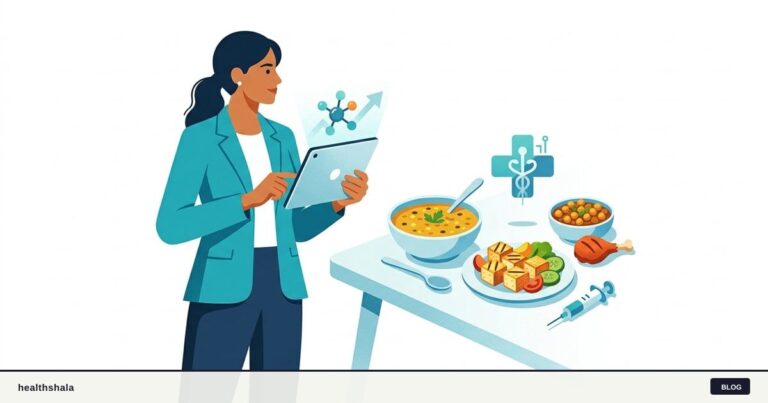
Healthshala translates your dal-roti meals into protein goals without nausea-triggering calorie counting.
Can pure vegetarians take Ozempic without compromising their diet?
Yes. Ozempic contains no animal ingredients and works perfectly with vegetarian diets. The challenge isn’t the medication. it’s getting enough protein from dal, paneer, and dahi when nausea makes food unappealing. Track your katoi portions to ensure you’re hitting 60g+ protein daily despite reduced appetite.
Does Ozempic contain gelatin or lactose?
No. Ozempic is an injectable liquid with synthetic ingredients only. no gelatin capsules, no lactose fillers, no animal-derived components in the formulation. However, the medication was tested on animals during FDA approval, which matters to ethical vegans but not to dietary vegetarians.
What’s the minimum protein intake for Indian vegetarians on GLP-1s?
Aim for 1.2-1.6g protein per kg of ideal body weight. For a 70kg person, that’s 84-112g daily. On Mounjaro, appetite drops dramatically, so focus on protein-dense foods: hung curd (11g per half cup), moong dal (7g per half katoi), paneer (14g per 100g). Track in familiar portions, not grams.
Which Indian veg foods cause the least nausea on Ozempic?
Mild, less-spiced proteins work best: plain moong dal khichdi, hung curd with cucumber, besan chilla without onions, roasted chana, steamed tofu. Avoid heavy curries, excessive tadka, and oily paneer dishes on hard nausea days. Cold foods (curd, chana salad) often tolerate better than hot meals.
Can I use vegan protein powder on Mounjaro?
Technically yes, but most users report that protein shakes increase nausea on GLP-1s. Whole food proteins (dal, paneer, curd) digest better and trigger less queasiness. If you must use powder, try unflavoured pea protein mixed into buttermilk (chaas) rather than sweet shakes. the fermented dairy helps with tolerance.
How do I explain separate meals to family while on GLP-1s?
Frame it as doctor’s orders for muscle protection, not a diet preference. Ask for extra dal on your plate (1 katoi for family, 2 for you), add a small bowl of hung curd to your thali, or request paneer even when the main sabzi is aloo-gobi. Small additions to family meals work better than completely separate cooking.
Medical Disclaimer: This content is for informational purposes only and is not a substitute for professional medical advice, diagnosis, or treatment. Always consult a qualified healthcare provider before making changes to your diet, medication, or health routine.
healthshala
Vishal Thakur
Vishal Thakur is the founder of Healthshala and an entrepreneur working at the intersection of health and technology. He is a certified nutrition expert from Fabulous Body and focuses on simplifying complex health topics into practical, evidence-informed insights.
He also leads Boring Monkee, an AI-native growth agency, giving him a unique perspective on how health information is created, distributed, and consumed online. His work at Healthshala focuses on lifestyle health, preventive care, and emerging health trends.
All content is created with a focus on accuracy, transparency, and real-world applicability, and does not replace professional medical advice.