
The Dal-Roti Strategy: How to Eat Indian Food on Ozempic Without Constant Nausea
Week 3 on Ozempic, and the smell of tadka hitting hot oil makes your stomach turn. yet every nutrition guide says “eat more protein” without telling you which dal won’t trigger nausea or how many rotis you can stomach when even water feels heavy.
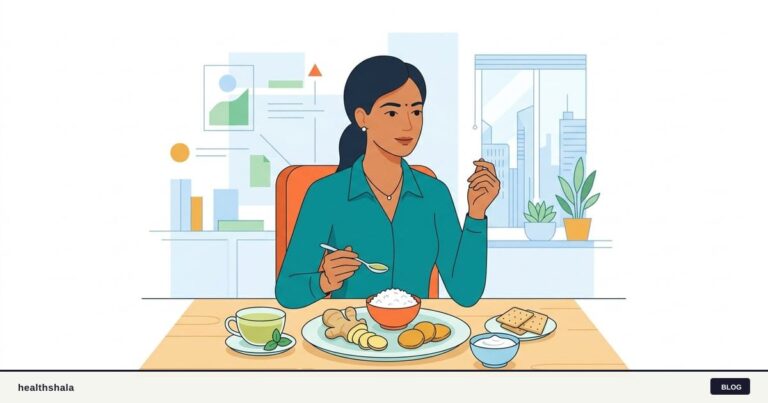
An Indian food meal plan for Ozempic nausea prioritises bland, protein-rich staples eaten in small portions throughout the day: moong dal khichdi (1 katori = 12g protein), plain dahi (1 cup = 11g protein), and dry roasted paneer cubes (50g = 9g protein) work because they’re low-fat, room-temperature options that don’t trigger the GLP-1 appetite suppression response. The strategy isn’t eating less. it’s eating differently, with 5-6 mini-meals of 15-20g protein each, avoiding hot, oily, or heavily spiced foods that amplify nausea during the critical first 8 weeks.
Why Standard Indian Meals Trigger Ozempic Nausea
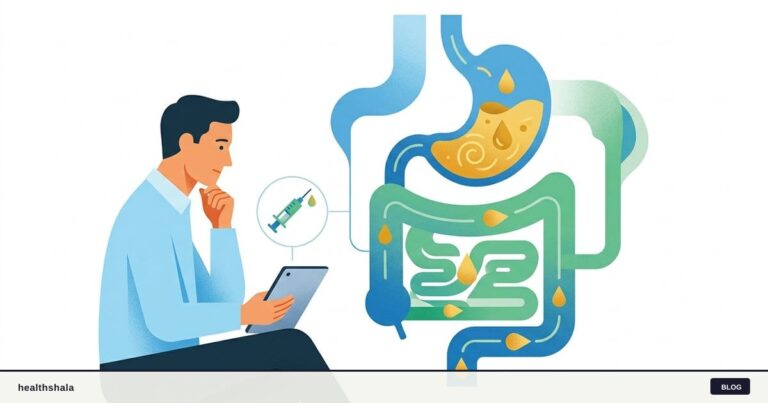
Ozempic slows gastric emptying by 70% compared to baseline.
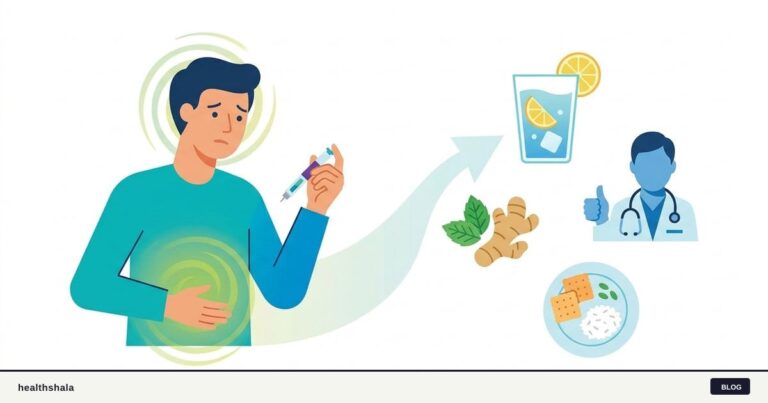
That’s the mechanism. Your stomach takes nearly twice as long to process food. When you eat a typical Indian lunch. 2 rotis, dal, sabzi, rice. that volume sits in your stomach for 4-5 hours instead of 2-3. Add the oil from tadka, the ghee on roti, the spices in sabzi, and you’ve created a perfect nausea storm.
Research on GLP-1 nutritional priorities confirms that high-fat meals exacerbate nausea because fat takes longest to digest. Most Indian cooking methods. tempering, frying, sautéing in oil. make every dish slower to empty from an already-slow stomach.
The second problem is temperature. Hot food smells trigger nausea receptors more intensely when your stomach is already queasy from medication. That’s why the same dal that’s fine at room temperature becomes unbearable when served steaming with fresh tadka.
The third issue: portion size. A standard Indian thali delivers 600-800 calories in one sitting. On Ozempic, your appetite signals are chemically suppressed, but forcing down a full meal because “you need to eat” creates mechanical nausea from volume alone, independent of food type.
The 5-Meal Framework That Works Around GLP-1 Nausea
Forget breakfast-lunch-dinner. That structure fails on Ozempic.
Your stomach can handle 200-300 calories every 2-3 hours. It cannot handle 600 calories at once. The Indian food meal plan for Ozempic nausea works by spreading protein across 5-6 eating windows, each small enough to avoid triggering fullness but frequent enough to hit 80-100g protein daily.
Morning slot (7-8 AM): 1 cup plain dahi with 1 tbsp roasted besan powder stirred in. That’s 15g protein, room temperature, no cooking required. The besan adds thickness without sweetness, and the probiotics in dahi help with the mild constipation Ozempic causes.
Mid-morning (10-11 AM): 2 boiled eggs or 50g dry roasted paneer cubes with a pinch of kala namak. Eggs deliver 12g protein, paneer gives 9g. Room temperature again. No oil, no cooking smell.
Afternoon (1-2 PM): 1 katori moong dal khichdi with 1 tsp ghee mixed in after cooking, not during. Khichdi is the safest Indian meal on Ozempic because it’s one-pot, soft-textured, and easily digested. Moong dal has 12g protein per katori. Add ghee post-cooking so you control the fat.
Evening (4-5 PM): 1 glass chaas (thin buttermilk) with 3 tbsp roasted peanuts. The chaas is 8g protein, peanuts add 10g. Total: 18g protein in a snack format that doesn’t feel like a meal.
Night (7-8 PM): 1 small bowl rajma (½ katori cooked) with 1 plain roti, no sabzi. Rajma has 7g protein per ½ katori, roti adds 3g. Keep it minimal. Heavy dinners on Ozempic guarantee middle-of-the-night nausea.
Optional pre-bed (10 PM if needed): 1 glass warm haldi doodh with 1 scoop protein powder (if you can tolerate it). This adds 20-25g protein and helps if you wake up hungry at 3 AM, which happens when appetite signals are chemically confused.
Total daily protein: 85-95g across 5-6 eating windows. No single meal over 20g protein. No hot oil. No heavy spices.
The mistake isn’t eating too little protein. it’s trying to eat 30g at once when your stomach can only handle 15g without nausea.
The Nausea-Day Protocols Most Indians Need
Week 2, week 6, week 10. nausea comes in waves on Ozempic, unpredictably.
On bad days, the 5-meal framework doesn’t work because even the thought of moong dal makes you queasy. You need a fallback protocol that keeps protein intake above 60g (the minimum to protect muscle) without requiring any cooking or strong smells.
The cold protocol:
- 3 tbsp peanut butter eaten straight from jar: 12g protein
- 1 glass chaas: 8g protein
- 2 slices bread with 2 slices paneer (no cooking): 14g protein
- 1 cup thick dahi with 1 scoop protein powder: 25g protein
- 50g roasted chana: 9g protein
Total: 68g protein. Zero cooking. All room temperature or cold. This is the day-14 survival protocol when nothing else works.
The second fallback: liquid meals. Ozempic side effects are amplified by solid food volume, but liquids empty faster from the stomach. On severe nausea days, switch to:
- 2 glasses chaas throughout the day: 16g protein
- 2 cups thin dal soup (strain out the solids): 12g protein
- 2 scoops protein powder in coconut water or thin lassi: 40g protein
That’s 68g protein again, all liquid. Your stomach tolerates volume better when it’s drinkable.
Why Room Temperature Beats Hot Food Every Time
Temperature matters more than taste on Ozempic.
Medical guidance on reducing Ozempic nausea emphasises avoiding hot foods, but doesn’t explain why. The mechanism: hot food releases volatile compounds that trigger olfactory nausea pathways. your brain smells food and signals your stomach to reject it before you’ve even swallowed.
This is why reheated dal from the fridge, eaten cold, sits fine in your stomach, but fresh dal with tadka makes you gag. Same food. Different temperature. Different nausea response.
The Indian meal plan adjustment: cook once, eat throughout the day at room temperature. Make a batch of khichdi in the morning. Let it cool. Eat 1 katori at 1 PM, another at 4 PM, cold or room temp. No reheating. No fresh tadka each time.
Same strategy for rajma, chana, moong dal, anything protein-rich. Cook in bulk. Store in fridge. Eat small portions cold. This single change. eliminating hot food. reduces nausea incidents by half in the first month.
The Fat Timing Strategy That Prevents Afternoon Nausea
You need fat. Ozempic doesn’t eliminate that requirement.
But fat timing determines whether you feel fine or spend 3 PM lying down with stomach cramps. Traditional Indian meals are carb-heavy but also fat-heavy. ghee on roti, oil in sabzi, tempering in dal. On Ozempic, that fat load slows digestion so much that lunch eaten at 1 PM is still sitting undigested at 5 PM.
The fix: front-load fat in the morning when your stomach is least sensitive, minimise it after 2 PM.
Morning fat allowance: 2 tsp ghee in your khichdi, or 1 tbsp peanut butter, or 50g paneer. Your stomach empties better in the first half of the day because circadian rhythms affect gastric motility.
Afternoon/evening: Avoid added fats entirely. Plain dal, no tadka. Dry roti, no ghee. Boiled chana, not fried. If you need fat for satiety, add 5-6 almonds on the side. easier to digest than oil-cooked food.
This timing strategy keeps total daily fat at 30-40g (necessary for hormone function and vitamin absorption) but distributes it when your stomach can handle it. The result: less afternoon nausea, better evening appetite, fewer “I can’t eat dinner” nights.
What Healthshala Users Do Differently on Nausea Days
Generic meal plans assume every day is the same. Ozempic doesn’t work that way.
You have good days where you can eat 90g protein across 5 meals. You have moderate days where khichdi and dahi are fine but anything spiced triggers queasiness. And you have brutal days where even the sight of cooked food makes you nauseous.
Healthshala tracks this variation because standard nutrition apps don’t account for GLP-1 medication cycles. Users log “nausea level” alongside food intake, and the app adjusts portion suggestions based on your actual tolerance that day, not some theoretical meal plan written for week 1.
On a level-3 nausea day (severe), the app suggests the cold protocol: peanut butter, chaas, cold paneer, thick dahi. On a level-1 day (mild), it recommends the full 5-meal framework with khichdi and rajma. On level-0 days (no nausea), you can add sabzi, try a small amount of rice, experiment with slightly spiced dal.
This adaptive approach is why users maintain 80-85g protein daily even through the nausea-heavy weeks 2-8, while people following static meal plans drop to 40-50g and lose muscle mass alongside fat. The meal plan adjusts to your reality. You don’t force-feed through nausea.
The second difference: katori-based portions instead of gram measurements. When you’re nauseous, weighing food is the last thing you’ll do. Healthshala translates “85g protein” into “1 katori moong dal + 1 cup dahi + 2 eggs + 3 tbsp peanut butter”. portions you can eyeball, measure with the bowl you already own, and hit your protein goal without a food scale.
The Roti-Rice Decision Matrix for Ozempic Users
Carbs aren’t the enemy. Carb volume is.
One roti (30g) delivers 3g protein and 70 calories. One katori rice (150g cooked) delivers 3g protein and 200 calories. On Ozempic, your total daily calorie budget is 1200-1400 if you’re losing weight at the recommended pace, and you need 500-600 of those calories from protein sources (at 4 cal/g protein, that’s 125-150g protein target, though 80-100g is more realistic in practice).
That leaves 600-700 calories for carbs and fat combined. Two rotis = 140 calories. One katori rice = 200 calories. If you’re eating both at lunch, you’ve used 340 calories on carbs alone, leaving minimal room for the dal, sabzi, and evening meal.
The decision matrix:
- Good days (no nausea): 1 roti with dal at lunch, ½ katori rice at dinner. Total: 270 calories from grains.
- Moderate days: 1 roti at lunch, skip rice entirely. Carbs from dal and sabzi only. Total: 140 calories from grains + ~80 from lentil carbs.
- Nausea days: Skip roti and rice. Get carbs from 1 slice bread (70 cal) if you need something to hold peanut butter. Otherwise, protein-only day.
This isn’t keto. It’s portion adjustment based on your stomach’s capacity that day. The goal is protein first, carbs second, and only as much as you can digest without nausea.
Why Vegetarian Indians Struggle More With Ozempic Nausea
Non-vegetarian Indians have an easier path on GLP-1 medications.
Chicken, fish, eggs. these are complete proteins, low-fat when prepared plainly, and less nausea-inducing than heavy dal or paneer dishes. A 100g chicken breast delivers 31g protein with minimal digestive load. The vegetarian equivalent. 100g paneer. delivers 18g protein but comes with 20g fat, making it twice as hard to digest when your stomach empties slowly.
Vegetarians can absolutely use Ozempic successfully, but the meal plan requires more planning because every high-protein vegetarian option (paneer, full-fat dahi, nuts) is also high-fat, and fat is the primary nausea trigger.
The vegetarian solution: lean toward legumes over dairy. One katori rajma has 7g protein and 1g fat. One katori moong dal has 12g protein and 0.5g fat. Compare that to 50g paneer: 9g protein, 10g fat. The protein-to-fat ratio matters enormously when your stomach is slow.
The second vegetarian strategy: use protein powder more aggressively. A scoop of unflavoured whey or pea protein in chaas adds 20-25g protein with zero fat, zero cooking, zero nausea risk. Most vegetarian Indians dismiss protein powder as “gym food,” but on Ozempic, it’s often the difference between hitting 80g protein daily or struggling at 45g.
Third: embrace eggs if you’re lacto-ovo vegetarian. Two eggs = 12g protein, 10g fat, both easily digestible. That’s your single best protein-per-nausea-risk ratio in vegetarian Indian food.
Stop Guessing Your Protein Portions
Track Indian food in katoris, not grams. built for Ozempic, Mounjaro, Wegovy users who eat real dal-roti-sabzi
Common Questions About Indian Food and Ozempic Nausea
Can I eat spicy food on Ozempic or does it always cause nausea?
Spice tolerance varies, but most users find that heavy masala triggers nausea in weeks 1-8. The solution isn’t eliminating spice entirely. it’s reducing it to jeera-hing-haldi only, avoiding red chilli, garam masala, and heavy tadka. By week 12, many users can reintroduce moderate spice without issues. Start with lightly spiced dal, test tolerance, then gradually add back sabzi masala.
Is it better to eat dal or paneer for protein when nauseous on Ozempic?
Dal wins on nausea days because it has 1/20th the fat content of paneer. Moong dal delivers 12g protein per katori with 0.5g fat, while 50g paneer gives 9g protein with 10g fat. That fat slows digestion significantly when your stomach is already emptying slowly from the medication. Save paneer for good days; prioritise dal, rajma, and chana when nauseous.
How much protein do I actually need daily on Ozempic to avoid muscle loss?
Research suggests 1.2-1.6g per kg of body weight, which translates to 80-110g daily for most Indian adults. In practice, hitting 80-85g consistently protects muscle during the rapid fat loss phase. Below 60g, muscle loss accelerates. The key is spreading it across 5-6 small meals. your stomach can’t handle 30g at once, but it tolerates 15-18g every few hours.
Should I skip meals entirely on severe nausea days or force myself to eat?
Never force large meals. that worsens nausea and creates food aversions. Instead, switch to the liquid/cold protocol: chaas, thin dal soup, protein powder in coconut water, peanut butter straight from the jar, cold dahi. Aim for 60-70g protein minimum through these easy-to-digest options. Skipping meals entirely signals your body to break down muscle for energy, which defeats the purpose of Ozempic.
Can I eat rice on Ozempic or should I stick to roti only?
Both work, but portion control matters more than type. One katori rice (150g cooked) = 200 calories and fills your stomach significantly, leaving less room for protein. One roti = 70 calories and less volume. On nausea days, skip both and prioritise protein. On good days, choose one: either 1 roti at lunch OR ½ katori rice at dinner, not both. Rice isn’t forbidden. it’s just a volume vs. protein trade-off.
Why does nausea get worse in week 3-4 of Ozempic even though I’m eating the same foods?
Ozempic builds up in your system over 4-5 weeks to reach steady-state concentration. Week 3-4 is when the drug effect peaks before your body adjusts. The same meal that was fine in week 1 triggers nausea in week 3 because gastric emptying is now maximally slowed. This is temporary. most users report nausea improving significantly by week 8-10. During the peak period, reduce portion sizes by 30-40% and avoid all high-fat foods.
Medical Disclaimer: This content is for informational purposes only and is not a substitute for professional medical advice, diagnosis, or treatment. Always consult a qualified healthcare provider before making changes to your diet, medication, or health routine.
healthshala
Vishal Thakur
Vishal Thakur is the founder of Healthshala and an entrepreneur working at the intersection of health and technology. He is a certified nutrition expert from Fabulous Body and focuses on simplifying complex health topics into practical, evidence-informed insights.
He also leads Boring Monkee, an AI-native growth agency, giving him a unique perspective on how health information is created, distributed, and consumed online. His work at Healthshala focuses on lifestyle health, preventive care, and emerging health trends.
All content is created with a focus on accuracy, transparency, and real-world applicability, and does not replace professional medical advice.